Without glyphosate, farmers in seven Asian countries face $1.4-$1.9 billion increase in weed control costs, study finds

maxresdefault
Image: Ajab Media

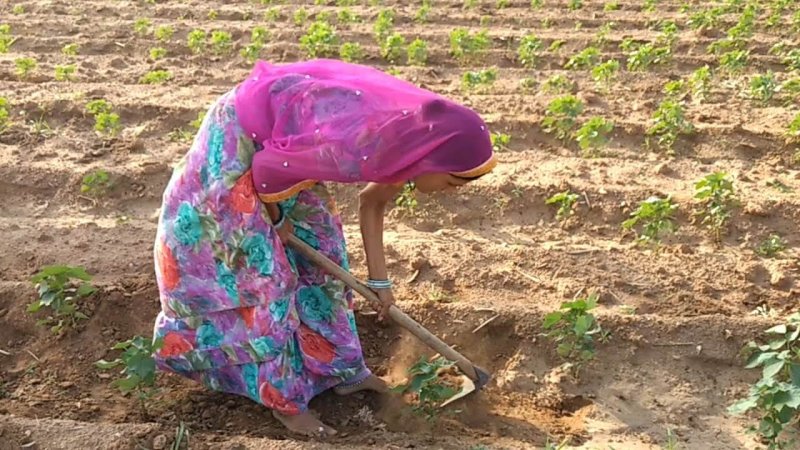
A new paper published in the journal Agbioforum points to higher weed control costs, less effective weed control, more difficult access to fields and lower yields, if farmers in seven Asian countries could no longer use glyphosate.

The peer reviewed paper written by Graham Brookes of PG Economics Ltd examined the current use of glyphosate, the reasons for its use and what changes farmers would make to their weed control programs if glyphosate was no longer available for use. Seven countries were included in the study – Australia, China, India, Philippines, Indonesia, Vietnam and Thailand – as these were representative of countries where glyphosate use in agriculture is significant, countries that may be considering use restrictions for glyphosate and countries where farmers are planting glyphosate tolerant crops.

Glyphosate is widely used for weed control across Asia and few alternatives are available that provide equivalent levels of performance in field and plantation crops. Without access to glyphosate, farmers reported they would use additional herbicide combinations and/or rely on mechanical/hand weeding options. These alternatives would have significant impacts including reduced weed control, increased pest levels, reduced access to fields and higher weed control costs.

The study estimates that annual weed control costs would increase across the seven countries by between $1.4 billion and $1.9 billion, with average increases in cost ranging from $22/ha to $30/ha. This is a significant increase in production costs and if the potential impact of lower yields is included, this represents an important loss of global competitiveness for farmers who lose access to glyphosate.

The economic and environmental benefits of planting glyphosate tolerant corn and cotton in Australia, Philippines and Vietnam will also be lost. Without glyphosate, farmers will be less able to realise the environmental benefits of no and reduced tillage such as a lower levels of carbon emissions, less soil erosion and greater soil moisture content.

Read full, original article: Asian farmers would see annual weed control costs increase by $1.4 to $1.9 billion due to potential restrictions on glyphosate use, new study reports


{{ reviewsTotal }}{{ options.labels.singularReviewCountLabel }}
{{ reviewsTotal }}{{ options.labels.pluralReviewCountLabel }}
{{ options.labels.newReviewButton }}
{{ userData.canReview.message }}

Related Articles

Infographic: Global regulatory and health research agencies on whether glyphosate causes cancer

Infographic: Global regulatory and health research agencies on whether glyphosate causes cancer

Does glyphosate—the world's most heavily-used herbicide—pose serious harm to humans? Is it carcinogenic? Those issues are of both legal and ...

Most Popular

Screenshot-2026-04-20-at-2.26.27-PM
Viewpoint — Food-fear world: The latest activist scientists campaign: Cancer-causing additives
Screenshot-2026-03-13-at-12.14.04-PM
The FDA wants to make many popular prescription drugs OTC—a great idea. Here’s why it’s unlikely to happen
ChatGPT-Image-May-1-2026-02_20_13-PM
How RFK, Jr.’s false vaccine claims are holding up $600 million to fight diseases in poor countries
Screenshot-2026-05-01-at-11.56.24-AM
‘Science moves forward when people are willing to think differently’: Memories of DNA maverick Craig Venter
Screenshot-2026-04-03-at-11.15.51-AM
Paraben panic: How a flawed study, media hype, and chemophobia convinced the public of the danger of one of the safest classes of preservatives
Screenshot-2026-04-30-at-2.19.37-PM
5 myths about summer dehydration that could damage your health — or even kill you
viva-la-vida-watermelons
Misinformation and climate change are endangering summer watermelons
ChatGPT-Image-Mar-27-2026-11_27_05-AM
The myths of “process”: What science says about the “dangers’ of synthetic products and ultra-processed foods
Drinking lots of water can help reduce the effects of aging
Nanoplastics in drinking water: MAHA activists forge science-based bipartisan coalition 
ChatGPT-Image-Mar-10-2026-01_39_01-PM
Viewpoint—“Miracle molecule” debunked: Why acemannan supplements don’t work
Screenshot-2026-05-04-at-12.54.32-PM
How Utah became the country’s supplement capital  — and a haven for unregulated, ineffective and fake products
circular-bioeconomy-should-focus-on-sustainable-wellbeing
GLP podcast: What's wrong with 'doomsday' environmentalism? It's false.
glp menu logo outlined

Get news on human & agricultural genetics and biotechnology delivered to your inbox.