UK issues emergency use exemption for neonicotinoid insecticide to prevent virus spread in sugar beets

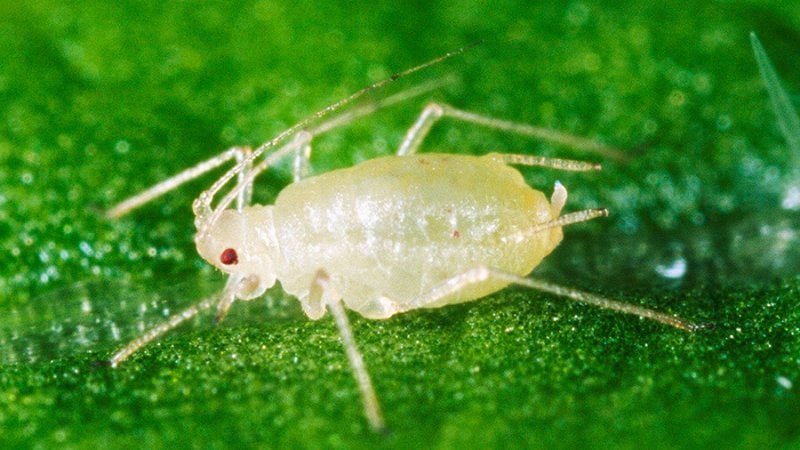
peach potato aphid c design pics inc rex shutterstock rexfeatures a
Peach-potato aphid. Image: Design Pics Inc/REX/Shutterstock

An 120-day emergency authorization has been granted for the use of an insecticide for the control of peach–potato aphids to prevent virus yellows infection in sugar beet.

The emergency authorization, applied for by British Sugar and NFU, permits up to two treatments of Biscaya (thiacloprid) per crop at a maximum individual dose of 0.4 L/ha.

[Editor’s note: Read Viewpoint: Farmers’ crops are failing, and Europe’s precautionary assault on neonicotinoid insecticides is to blame to learn more.]

The British Beet Research Organisation (BRRO) head of science Dr Mark Stevens said use should be driven by awareness of aphids in crops and treatment thresholds.

Previously seed treatments were at work when winged aphids entered crops, but with foliar spraying there is often an unavoidable time lag from identification of a threshold to application of product …. “Get the insecticide on immediately. We don’t want secondary spread of virus within the crop, especially at early growth stages when virus yellows’ impact on yield is at its greatest,” [Dr Stevens] said.

Read full, original article: Emergency authorisation granted for sugar beet insecticide

{{ reviewsTotal }}{{ options.labels.singularReviewCountLabel }}
{{ reviewsTotal }}{{ options.labels.pluralReviewCountLabel }}
{{ options.labels.newReviewButton }}
{{ userData.canReview.message }}

Related Articles

Infographic: Global regulatory and health research agencies on whether glyphosate causes cancer

Infographic: Global regulatory and health research agencies on whether glyphosate causes cancer

Does glyphosate—the world's most heavily-used herbicide—pose serious harm to humans? Is it carcinogenic? Those issues are of both legal and ...

Most Popular

Screenshot-2026-04-20-at-2.26.27-PM
Viewpoint — Food-fear world: The latest activist scientists campaign: Cancer-causing additives
Screenshot-2026-05-04-at-12.54.32-PM
How Utah became the country’s supplement capital  — and a haven for unregulated, ineffective and fake products
Screenshot-2026-03-13-at-12.14.04-PM
The FDA wants to make many popular prescription drugs OTC—a great idea. Here’s why it’s unlikely to happen
Screenshot-PM-24
Viewpoint: The herbicide glyphosate isn’t perfect. Banning it would be far worse.
images
The never-ending GMO debate: Pros and cons
Screenshot-2026-04-12-135256
Bixonimania: The fake disease scam that AI swallowed whole
Screenshot-2026-05-01-at-11.56.24-AM
‘Science moves forward when people are willing to think differently’: Memories of DNA maverick Craig Venter
ChatGPT-Image-May-1-2026-02_20_13-PM
How RFK, Jr.’s false vaccine claims are holding up $600 million to fight diseases in poor countries
Screenshot-2026-04-03-at-11.15.51-AM
Paraben panic: How a flawed study, media hype, and chemophobia convinced the public of the danger of one of the safest classes of preservatives
bigstock opioids on chalkboard with rol
GLP podcast: 'Safe injection sites': enabling drug addiction or saving lives?
glp menu logo outlined

Get news on human & agricultural genetics and biotechnology delivered to your inbox.