‘Tremendous ethical challenge’: What if lab-grown brains are capable of developing consciousness?

scientists find possible method for repair of cell damage from ms
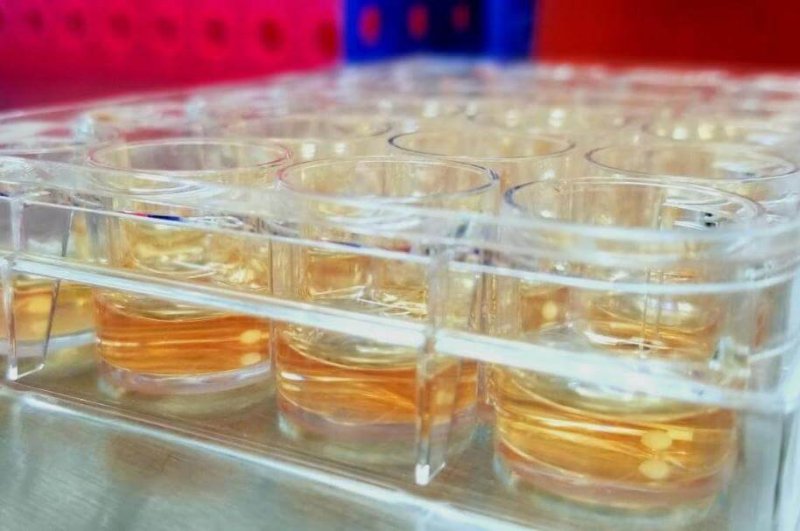
Image: Case Western Reserve University School of Medicine

At what point does electro-chemical activity in dissected brain-like tissue become conscious? Yes, Iโ€™m talking about the classic sci-fi โ€œbrain in a vatโ€ scenario; no, we are absolutely not there.

But [June 27], a Japan-led study in Stem Cell Reports is raising some serious red flags. For the first time, a team carefully characterized the electrical chattering of neurons grown from a brain organoid and found that they spontaneously formed long-distance connections that allowed them to fire in synchrony.ย 

โ€ฆ

[I]tโ€™s possible that the brain nuggets have the capability to support higher cognitive functions when theyโ€™re more mature.

To be clear, this does not mean the organoids are conscious, or even that theyโ€™re โ€œthinking.โ€

Yet the issue will no doubt become increasingly thorny as technical improvements allow mini-brains to further develop. If consciousness does spontaneously emerge from complex, recursive wiring in our heads, why wouldnโ€™t it also emerge in sufficiently complex man-grown brains?

[Researcher Hideya] Sakaguchi concedes. โ€œIf cerebral organoids with an input and output system develop consciousness requiring moral consideration, the basic and applied research of these cerebral organoids will become a tremendous ethical challenge,โ€ he said.

Read full, original post: Could Lab-Grown Brains Develop Consciousness?

{{ reviewsTotal }}{{ options.labels.singularReviewCountLabel }}
{{ reviewsTotal }}{{ options.labels.pluralReviewCountLabel }}
{{ options.labels.newReviewButton }}
{{ userData.canReview.message }}

Related Articles

Infographic: Global regulatory and health research agencies on whether glyphosate causes cancer

Infographic: Global regulatory and health research agencies on whether glyphosate causes cancer

Does glyphosateโ€”the world's most heavily-used herbicideโ€”pose serious harm to humans? Is it carcinogenic? Those issues are of both legal and ...

Most Popular

Screenshot-2026-03-13-at-12.14.04-PM
The FDA wants to make many popular prescription drugs OTCโ€”a great idea. Hereโ€™s why itโ€™s unlikely to happen
Screenshot-2026-05-04-at-12.54.32-PM
How Utah became the countryโ€™s supplement capitalย  โ€” and a haven for unregulated, ineffective and fake products
Screenshot-2026-04-20-at-2.26.27-PM
Viewpoint โ€” Food-fear world: The latest activist scientists campaign: Cancer-causing additives
Screenshot-PM-24
Viewpoint: The herbicide glyphosate isnโ€™t perfect. Banning it would be far worse.
images
The never-ending GMO debate: Pros and cons
Screenshot-2026-05-01-at-11.56.24-AM
โ€˜Science moves forward when people are willing to think differentlyโ€™: Memories of DNA maverick Craig Venter
Screenshot-2026-04-03-at-11.15.51-AM
Paraben panic: How a flawed study, media hype, and chemophobia convinced the public of the danger of one of the safest classes of preservatives
Screenshot-2026-04-30-at-2.19.37-PM
5 myths about summer dehydration that could damage your health โ€” or even kill you
ChatGPT-Image-May-1-2026-02_20_13-PM
How RFK, Jr.โ€™s false vaccine claims are holding up $600 million to fight diseases in poor countries
bigstock opioids on chalkboard with rol
GLP podcast: 'Safe injection sites': enabling drug addiction or saving lives?
glp menu logo outlined

Get news on human & agricultural genetics and biotechnology delivered to your inbox.