Fighting cancer by stimulating the immune system with injections directly into the tumor

vaccination services

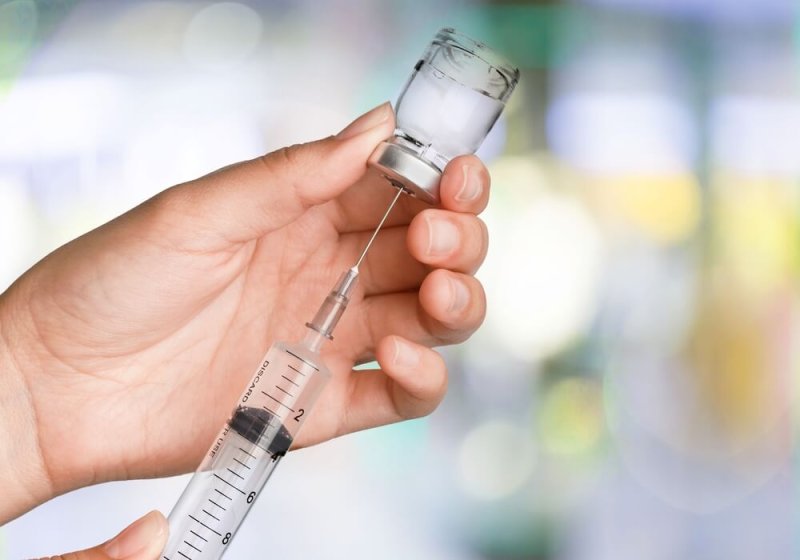
This past April, Mount Sinai oncologist Joshua Brody and his team announced a clinical trial that delivers immune modulators directly to the tumor environment that stimulate a patient’s immune system to treat several types of cancer. The approach is called in situ vaccination, and it can take many forms such as a virus or targeted radiation. What they all have in common is that they are delivered directly into a tumor to help the immune system recognize and attack the malignancy and then, ideally, other cancer cells that have metastasized throughout the body. 

Along with the clinical trial announcement, Brody and his team published preliminary data showing that 8 out of 11 patients with lymphoma saw their treated tumors shrink.

Now, thanks to a more complete picture of adaptive immunity and the advancement of immune-stimulating approaches to treating cancer, in situ vaccination has seen a resurgence of interest, with many researchers excited about the possibility of combining the technique with other immunotherapies.  In fact, in the new trial, Brody’s patients will receive both the vaccine and a checkpoint inhibitor, which takes the brakes off the immune system.

Read full, original post: In Situ Vaccination: A Cancer Treatment a Century in the Making

{{ reviewsTotal }}{{ options.labels.singularReviewCountLabel }}
{{ reviewsTotal }}{{ options.labels.pluralReviewCountLabel }}
{{ options.labels.newReviewButton }}
{{ userData.canReview.message }}

Related Articles

Infographic: Global regulatory and health research agencies on whether glyphosate causes cancer

Infographic: Global regulatory and health research agencies on whether glyphosate causes cancer

Does glyphosate—the world's most heavily-used herbicide—pose serious harm to humans? Is it carcinogenic? Those issues are of both legal and ...

Most Popular

Screenshot-2026-04-20-at-2.26.27-PM
Viewpoint — Food-fear world: The latest activist scientists campaign: Cancer-causing additives
Screenshot-2026-03-13-at-12.14.04-PM
The FDA wants to make many popular prescription drugs OTC—a great idea. Here’s why it’s unlikely to happen
ChatGPT-Image-May-1-2026-02_20_13-PM
How RFK, Jr.’s false vaccine claims are holding up $600 million to fight diseases in poor countries
Screenshot-2026-05-01-at-11.56.24-AM
‘Science moves forward when people are willing to think differently’: Memories of DNA maverick Craig Venter
Screenshot-2026-04-03-at-11.15.51-AM
Paraben panic: How a flawed study, media hype, and chemophobia convinced the public of the danger of one of the safest classes of preservatives
Screenshot-2026-04-30-at-2.19.37-PM
5 myths about summer dehydration that could damage your health — or even kill you
viva-la-vida-watermelons
Misinformation and climate change are endangering summer watermelons
ChatGPT-Image-Mar-27-2026-11_27_05-AM
The myths of “process”: What science says about the “dangers’ of synthetic products and ultra-processed foods
Drinking lots of water can help reduce the effects of aging
Nanoplastics in drinking water: MAHA activists forge science-based bipartisan coalition 
ChatGPT-Image-Mar-10-2026-01_39_01-PM
Viewpoint—“Miracle molecule” debunked: Why acemannan supplements don’t work
Screenshot-2026-05-04-at-12.54.32-PM
How Utah became the country’s supplement capital  — and a haven for unregulated, ineffective and fake products
circular-bioeconomy-should-focus-on-sustainable-wellbeing
GLP podcast: What's wrong with 'doomsday' environmentalism? It's false.
glp menu logo outlined

Get news on human & agricultural genetics and biotechnology delivered to your inbox.