6 co-authors of controversial study that raised alarms about Oxitec’s GMO mosquito release in Brazil call for paper’s retraction

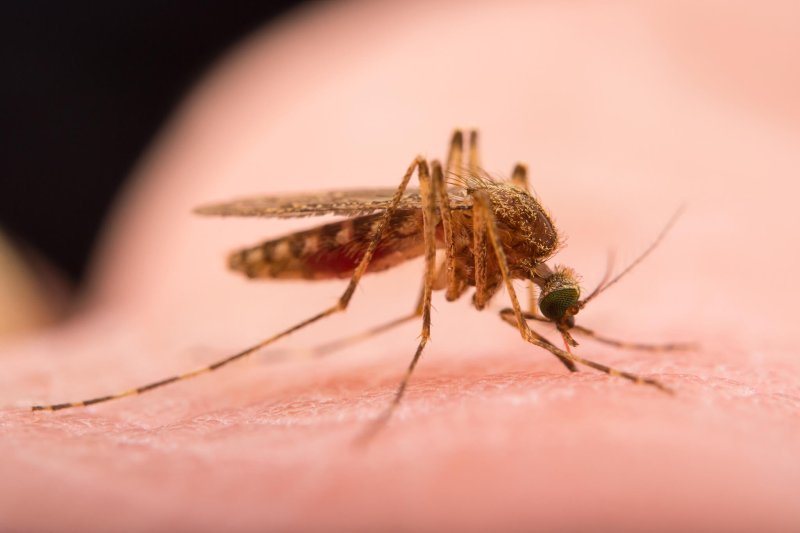
mosquito NationalGeographic
Credit: JOEL SARTORE, NATIONAL GEOGRAPHIC CREATIVE
[The public] was alarmed in mid-September when an article published in the Scientific Reports pointed to the presence in Bahia [in Brazil] of genetically modified and native mosquito hybrids. The reason for the alarm is easy to understand: as it was written, scientific work implies that the mixture between the two types of mosquito may have generated a kind of disease-bearing super insect.

More alarmed was Margareth Capurro, a professor at USP’s Institute of Biomedical Sciences (ICB), who co-authored the article. The researcher claims not to have participated – much less approved – in the final writing or publication of the work. Most Brazilian authors (six of a total of eight) filed for retraction of the article on September 20, shortly after finding, according to Capurro, that the published text was not faithful to the results presented by the group, and that the original wording had been changed.

The USP researcher agrees with the large number of critics of the work, within the scientific community …. A crucial sentence was missing from the text published by Scientific Reports: there are no transgenic mosquitoes in the sky of Bahia! It also failed to say that any hybrid mosquitoes found today in the Bahian city of Jacobina pose no danger to the population ….

[Editor’s note: This article was originally published in Portuguese and has been translated and lightly edited for clarity.]

Read full, original article: Coauthor repudiates controversial article on transgenic mosquitoes

{{ reviewsTotal }}{{ options.labels.singularReviewCountLabel }}
{{ reviewsTotal }}{{ options.labels.pluralReviewCountLabel }}
{{ options.labels.newReviewButton }}
{{ userData.canReview.message }}

Related Articles

Infographic: Global regulatory and health research agencies on whether glyphosate causes cancer

Infographic: Global regulatory and health research agencies on whether glyphosate causes cancer

Does glyphosate—the world's most heavily-used herbicide—pose serious harm to humans? Is it carcinogenic? Those issues are of both legal and ...

Most Popular

ChatGPT-Image-Mar-10-2026-01_39_01-PM
Viewpoint—“Miracle molecule” debunked: Why acemannan supplements don’t work
ChatGPT-Image-Jun-25-2026-12_23_17-PM
No, Bill Gates did not secretly engineer ticks to promote veganism
Screenshot-2026-06-05-at-2.12.30-PM
Some plants can poison you. So how did humans figure out what is safe to eat?
ChatGPT-Image-Jun-23-2026-03_12_23-PM
Is cellular reprogramming junk science? Nearly 20 patients are getting eye injections in the first FDA-cleared cellular trial
ChatGPT-Image-May-18-2026-12_06_18-PM-2
Defying death: The immortality movement goes mainstream
artificial intelligence brain think illustration md
Viewpoint — Digital gods and human extinction: Will we be the first species ever to design our own descendants?

Sorry. No data so far.

glp menu logo outlined

Get news on human & agricultural genetics and biotechnology delivered to your inbox.