Can computers develop human-like intelligence by imitating our own evolutionary path?

sentient cover
Image: TQ

Evolutionary algorithms have been around for a long time. Traditionally, they’ve been used to solve specific problems. In each generation, the solutions that perform best on some metric — the ability to control a two-legged robot, say — are selected and produce offspring.

The steppingstone principle goes beyond traditional evolutionary approaches. Instead of optimizing for a specific goal, it embraces creative exploration of all possible solutions. By doing so, it has paid off with groundbreaking results. Earlier this year, one system based on the steppingstone principle mastered two video games that had stumped popular machine learning methods.

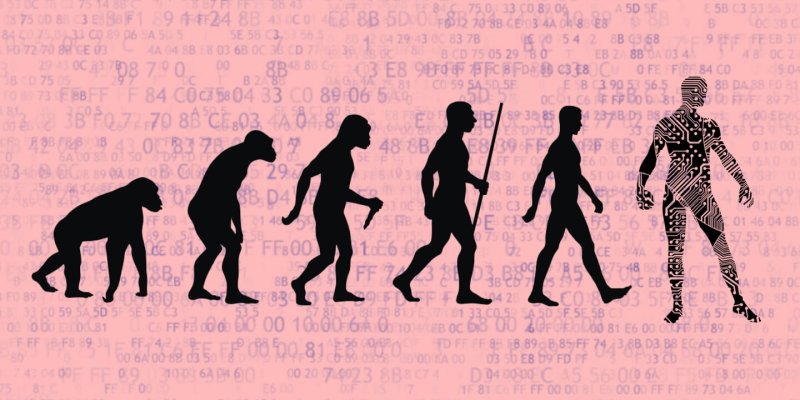
Biological evolution is also the only system to produce human intelligence, which is the ultimate dream of many AI researchers. Because of biology’s track record, [computer scientist Kenneth] Stanley and others have come to believe that if we want algorithms that can navigate the physical and social world as easily as we can — or better! — we need to imitate nature’s tactics. Instead of hard-coding the rules of reasoning, or having computers learn to score highly on specific performance metrics, they argue, we must let a population of solutions blossom.

Read full, original post: Computers Evolve a New Path Toward Human Intelligence

{{ reviewsTotal }}{{ options.labels.singularReviewCountLabel }}
{{ reviewsTotal }}{{ options.labels.pluralReviewCountLabel }}
{{ options.labels.newReviewButton }}
{{ userData.canReview.message }}

Related Articles

Infographic: Global regulatory and health research agencies on whether glyphosate causes cancer

Infographic: Global regulatory and health research agencies on whether glyphosate causes cancer

Does glyphosate—the world's most heavily-used herbicide—pose serious harm to humans? Is it carcinogenic? Those issues are of both legal and ...

Most Popular

ChatGPT Image Jun 3, 2026, 03_14_43 PM
Viewpoint: How Earthjustice became the poster child for the abuse of special interest activist funding
ChatGPT-Image-Jun-11-2026-01_15_03-PM
Selective Pressure, Selective Silence
ChatGPT Image Jun 3, 2026, 03_54_37 PM

Viewpoint: “Turn on, tune in, drop out”—Kennedy embraces the Timothy Leary psychedelic revolution
Screenshot-2026-06-05-at-2.12.30-PM
Some plants can poison you. So how did humans figure out what is safe to eat?
ChatGPT-Image-Mar-10-2026-01_39_01-PM
Viewpoint—“Miracle molecule” debunked: Why acemannan supplements don’t work
Screenshot 2026-05-26 at 10.15
Viewpoint: Double standard—Why does the wellness industry get a free pass while Big Healthcare is treated as morally suspect?
ChatGPT-Image-May-26-2026-07_51_21-AM-2
Viewpoint: There are more than 1,000 chemicals in a cup of coffee—including many substances that can cause cancer. Why isn’t it banned?
ChatGPT Image May 28, 2026, 08_16_38 PM
Viewpoint: Why the EPA mismeasures cancer risk of chemicals and what should be done to fix it
Picture1
Sounds we can’t hear — the hidden planetary signals behind science, fear, and misinformation
Screenshot-2026-06-03-at-1.24.46-PM
Challenging anti-GMO disinformation: Why genetically-tweaked crops offer bushels of benefits

Sorry. No data so far.

glp menu logo outlined

Get news on human & agricultural genetics and biotechnology delivered to your inbox.