



Neanderthals were a resilient group. They existed for about 200,000 years longer than we modern humans (Homo sapiens) have been alive. Evidence of their existence vanishes around 28,000 years ago – giving us an estimate for when they may, finally, have died off.
Fossil evidence shows that, towards the end, the final few were clinging onto survival in places like [Gorham’s cave in Gibraltar].
…
While the front part of the cave is relatively open, bathed in natural sunlight with a direct view of the ocean, the back is darker and splits off into several chambers. The caves remain cool in the summer and slightly warm in the colder months.
…
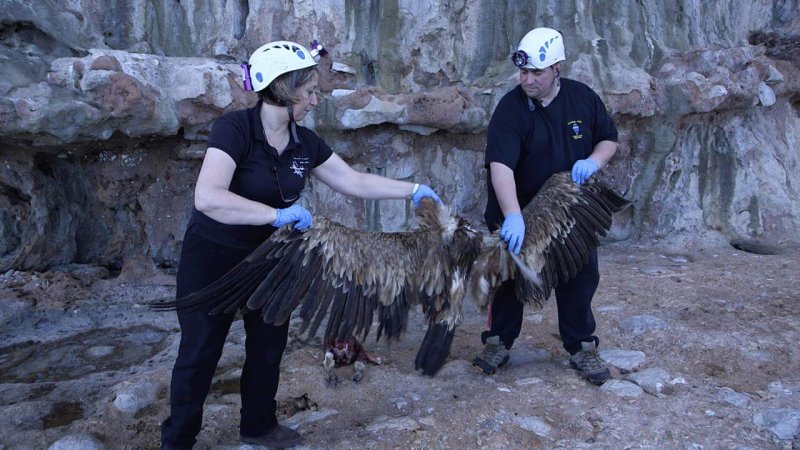
The remains of more than 150 different species of bird have also been uncovered in Gorham’s cave, many with tooth and cut marks, which suggests Neanderthals ate them. There is even evidence they caught birds of prey, including golden eagles and vultures.



…
They seem to have preferred birds with black feathers. This indicates they may have used them for decorative purposes such as jewellery.
…
And regardless of exactly how intelligent they were, their creation of these kinds of cultural artefacts is one of the defining traits of humanity.




























