Whole genome sequencing could be the next big thing for consumers

genomesequencing x
Credit: Next Big Future

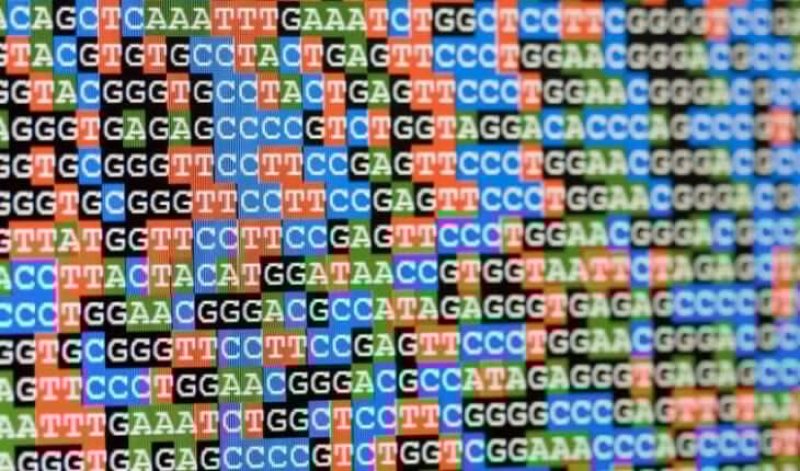
Genome sequencing was once impossibly expensive. The Human Genome Project, an international effort to decode the human genome that launched in 1990, took 13 years and an estimated $2.7 billion to complete. Then, in 2007, DNA pioneer James Watson became the first person to get his genome sequenced for less than $1 million. Since then, the cost of genome sequencing has been decreasing at a rate faster than Moore’s law.

Now, Nebula Genomics, a spinout of Harvard University co-founded by geneticist George Church, is launching an at-home test for less than the price of the latest Apple Watch. At $299, Nebula’s service analyzes a person’s entire genetic code, known as whole genome sequencing.

…

Whether there is a mass market for whole genome sequencing remains to be seen. Gillian Hooker, president of the National Society of Genetic Counselors, says one hurdle is that many people just haven’t heard of whole genome sequencing or are skeptical of how useful the results will be for managing their health. …

Right now, most people don’t walk away with actionable information, she says. But that will likely change as scientists’ understanding of genetics evolves.


…

With the price getting increasingly cheaper, whole genome sequencing could soon replace the more limited genetic tests that dominate the market today.


Read the original post

Related Articles

Infographic: Global regulatory and health research agencies on whether glyphosate causes cancer

Infographic: Global regulatory and health research agencies on whether glyphosate causes cancer

Does glyphosate—the world's most heavily-used herbicide—pose serious harm to humans? Is it carcinogenic? Those issues are of both legal and ...

Most Popular

ChatGPT-Image-Mar-10-2026-01_39_01-PM
Viewpoint—“Miracle molecule” debunked: Why acemannan supplements don’t work
Screenshot-2026-09-17-at-1.07.08-PM
'We are dangerously addicted to antidepressants': Should we heed RFK Jr.’s sobering warning?
Screenshot-2026-09-03-at-10.51.20-AM
Viewpoint: Why do online health lies outlive the evidence that debunks them? Read "Everyone Else Is Lying to You"
ChatGPT-Image-Sep-22-2026-10_32_46-AM
There has been a slew of recent reports of food recalls and foodborne outbreaks. Do we face an escalating problem?
ChatGPT-Image-Sep-2-2026-02_03_32-PM
How much of a problem is AI’s water use?
ChatGPT-Image-Sep-23-2026-01_52_03-PM
Viewpoint: 4 very real AI doomsday scenarios
ChatGPT-Image-Aug-26-2026-12_46_16-PM
Viewpoint: The fake controversy over whether combining childhood vaccines is dangerous— a debate science resolved 25 years ago
Screenshot-2026-09-23-at-11.55.01-AM
How can we know if social media bans actually help teens?
Screenshot-2026-09-22-at-11.40.28-AM
After Idaho criminalized abortion providers in 2022, one-third of obstetricians fled. Health care advocates are making rural health the case for repealing the ban
Screenshot-2026-09-23-at-3.15.09-PM
Anti-GMO activists in Pakistan rev up their campaign of dire warnings
Screenshot-2026-09-17-at-12.00.30-PM
Investigative group ProPublica finds links between ectopic pregnancy deaths and abortion bans
ChatGPT-Image-Sep-17-2026-12_28_43-PM
Vitamin D, omega-3 fish oil and glucosamine supplements could cause brain damage 
glp menu logo outlined

Get news on human & agricultural genetics and biotechnology delivered to your inbox.