

A plague of locusts has hit Africa. Massive swarms are devouring crops and other vegetation in their path, imperiling millions and setting the stage for a humanitarian disaster. On his recent visit to three African countries, Secretary of State Mike Pompeo committed a welcome $8 million to aid in locust control. If the U.S. really wants to help, it would stand firm against the radical anti-insecticide agenda.
The desert locust, which the United Nations Food and Agriculture Organization describes as “the most destructive migratory pest in the world,” can fly as far as 120 miles a day …. The U.N. says that more than 20 million people in East Africa are facing food shortages.
The best way to stop the locusts is to spray insecticide from the air …. The radical environmental movement, which seeks to ban fenitrothion and other safe and effective chemicals, has made Kenyan authorities’ work more difficult.
 East Africa faces two plagues: Once-in-a-generation insect infestation and swarms of European activists trying to block the only effective tool, pesticides
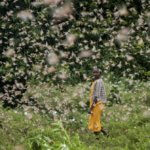 Viewpoint: Synthetic pesticides are the solution to East Africa’s famine-causing locust swarms
 Kenya begins pesticide spraying to fight ‘locust swarm of the century,’ but critics abound



Since last September, European Union-funded nongovernmental organizations in Kenya have been petitioning the Kenyan Parliament to ban more than 250 registered agricultural insecticides …. The chemicals the Greens seek to ban are essential for controlling not only locusts but also common agricultural pests, weeds and fungi. Even as locusts devastate Kenyan crops, NGO lobbyists continue their anti-insecticide crusade.
Read the original post (Behind paywall)