‘Colossal Maybes’: Chloroquine and hydroxychloroquine ‘largely failed’ to improve coronavirus patient survival rates in early, small studies

im
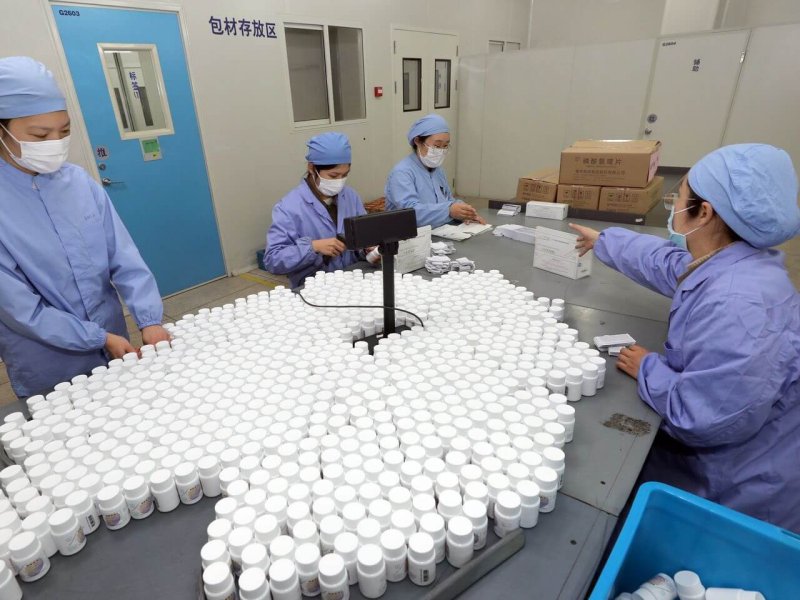
Credit: Photo: Xu Congjun/Utuku/Ropi/Zuma Press

The malaria drugs touted by President Trump as potentially “the biggest game changers in the history of medicine” have received a decidedly more sober assessment of their coronavirus-fighting potential from researchers in China, France and Brazil.

Both chloroquine and its close relative hydroxychloroquine offered signs that they may ease some of the hallmark symptoms of coronavirus infection in patients who were hospitalized with COVID-19. But the drugs largely failed to deliver improvements on other key measures when evaluated in rigorous research studies.

In research done in France, hydroxychloroquine reduced neither deaths nor admissions to intensive care units among patients who received it. In a study conducted in China and another in Brazil, the two drugs failed to help patients clear the coronavirus faster.

“My own impression so far is that these medications are a colossal ‘Maybe,’” said Dr. Michael H. Pillinger, a professor of medicine at New York University and chief of rheumatology at the Veterans Affairs’ New York Harbor Healthcare System.

But researchers in the United States cautioned that the small number of patients in the studies, their hurried execution and the difficulty of assessing any drug during a medical crisis made all of the findings far from definitive. And it doesn’t help that the drugs have become political footballs, they added.


Read the original post

Related Articles

Infographic: Global regulatory and health research agencies on whether glyphosate causes cancer

Infographic: Global regulatory and health research agencies on whether glyphosate causes cancer

Does glyphosate—the world's most heavily-used herbicide—pose serious harm to humans? Is it carcinogenic? Those issues are of both legal and ...

Most Popular

ChatGPT-Image-Mar-10-2026-01_39_01-PM
Viewpoint—“Miracle molecule” debunked: Why acemannan supplements don’t work
Screenshot-2026-09-16-at-12.07.47-PM
The heated debate over trans athletes in the WNBA
Screenshot-2026-09-10-at-12.20.19-PM
'Jet fuel didn't melt the steel': 9/11 conspiracy theories debunked
Screenshot-2026-09-10-at-11.50.46-AM
Did COVID vaccines kill 2,500 service members? RFK Jr. hires an investigator who compares vaccine promoters to Nazi doctors
ChatGPT-Image-Sep-9-2026-02_48_24-PM
Viewpoint: Trump-RFK Jr. report on “Gender Ideology & Left-wing Ideology’ targets LGBTQ community—and science
Screenshot-2026-09-11-at-2.26.23-PM
Newly approved GMO chestnut trees planted across from the White House are stirring debate
Screenshot-2026-09-15-at-11.04.54-AM
Viewpoint: Childhood deaths in dispute: Why the CDC vs Pennsylvania conflict over measles vaccines matters
ChatGPT-Image-Sep-15-2026-12_15_00-PM
Viewpoint: Women, depression and empathy: Explaining the gender gap in views about child-murderer Lindsay Clancy
ChatGPT-Image-Sep-15-2026-11_36_23-AM
Doomsday cult? Why we should be suspicious of end-of-the-world claims
Screenshot 2026-09-10 at 11.28
A meaty problem: How to make cell-grown protein taste like steak, chicken, and seafood
Screenshot-2026-09-14-at-4.31.14-PM
Viewpoint: What’s the likely impact when the EPA loosens rules limiting methane pollution from oil and gas wells?
ChatGPT-Image-Sep-15-2026-05_59_18-PM
RFK Jr. spent two years distancing himself from Children’s Health Defense. Now he’s keynoting its anti-vaccine DC conference.
glp menu logo outlined

Get news on human & agricultural genetics and biotechnology delivered to your inbox.