Quest for coronavirus treatment inspires modern twist on antique technique using survivors’ plasma

plasma
There’s no shortage of research efforts looking for ways to stop, or at least slow down, the novel coronavirus. Of course, those strategies involving cutting edge techniques, including CRISPR gene editing, tend to get most of the attention. If it’s new, it must better, after all.

But what if we could reach back 100 years for a solution? That’s essentially what we’ve done with the recent decision by the US Food and Drug Administration to authorize the emergency use of an old technique — convalescent plasma — for patients severely ill with COVID-19. The idea is that plasma from people who have recovered can transfer protective antibodies to a still-sick recipient. Donors must have been symptom-free for 14 days with a negative test or for 28 days without one.

“We think it shows promise, and we’re going to be starting that this week,” said New York governor Andrew Cuomo just before the announcement. 

Natural antibody cocktails

The rich history of convalescent plasma meanders through the plagues of the twentieth century. Hearing about it in the context of COVID awakened memories of receiving a similar treatment, in the 1960s.

Every fall, I got a shot of something with a funny name: gamma globulin. I thought it had something to do with goblins, since Halloween was coming. The mixture of antibodies (aka immunoglobulins), from healthy donors, might protect me from whatever infectious diseases was coming that winter. My uncle, our family doctor, gave the shots.

su txsz l sy bo ql mlThe hazy memory sent me to my old medical books. And there in “Modern Medical Discoveries,” by Irmengarde Eberle and published in 1948, I found “A weapon from our own blood stream.”

The book describes the separation of blood into components during World War II, so that when blood supplies ran short, wounded soldiers could receive plasma. Edwin Cohn from Harvard Medical School pioneered separating gamma globulin, the “part of blood in which are found all the disease resisters, or antibodies, which have developed in a person’s blood when he has had certain of the infectious diseases,” wrote Eberle.

The wartime gamma globulin work was secret, but it spiked interest in antibodies. In 1942 Linus Pauling wrote to Dr. Cohn, asking for samples to create “artificial antibodies.” Blood was swimming in “resisters” against the scourges of the time, he wrote: diphtheria, mumps, pertussis, and scarlet fever. Gamma globulin was given to thousands of military personnel, and years later, found its way to my uncle and my arm.

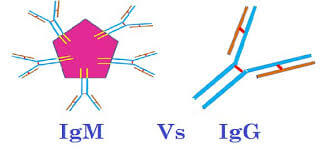
Convalescent plasma teems with the abundant gamma globulins (IgG) made once an infection gets underway, plus antibodies called IgM that are made early on. Some antibody types “neutralize” the pathogen, dismantling it, stripping off surface proteins, preventing reproduction, stimulating release of immune system chemicals, and clumping them, making viruses and bacteria more visible to the immune system.

Immunology 101

The antibody response is called “humoral” because antibodies are carried in the blood, a fluid or “humor.” T cells and their secreted proteins make up the other arm of the immune response, called “cellular.”

A natural antibody response is “polyclonal,” or multifaceted. Big, blobby plasma cells churn out antibodies that fit, like keys in locks, specific parts of a pathogen’s surface. An individual plasma cell releases only one type of antibody, at a rate of several thousand a second once stimulated. Altogether the collection of plasma cells releases a flood of antibodies, like attacking an intruder by whacking him on the head, tripping him, and kicking his shins, all at once.
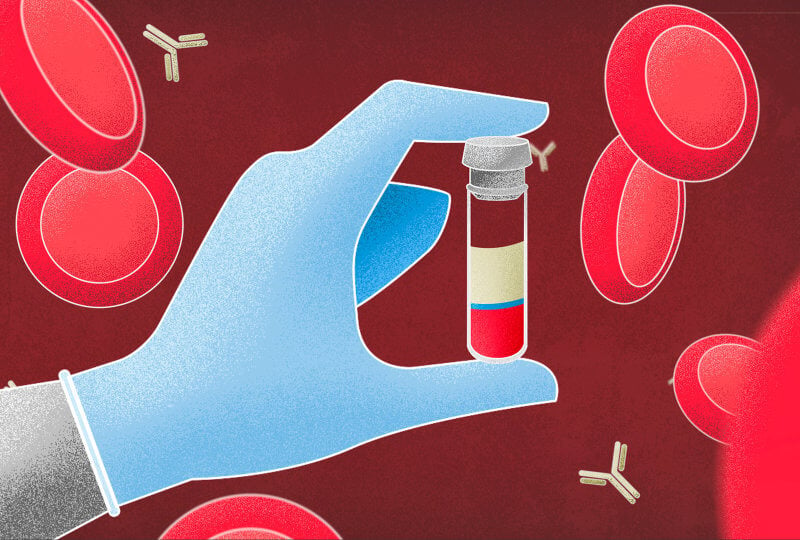
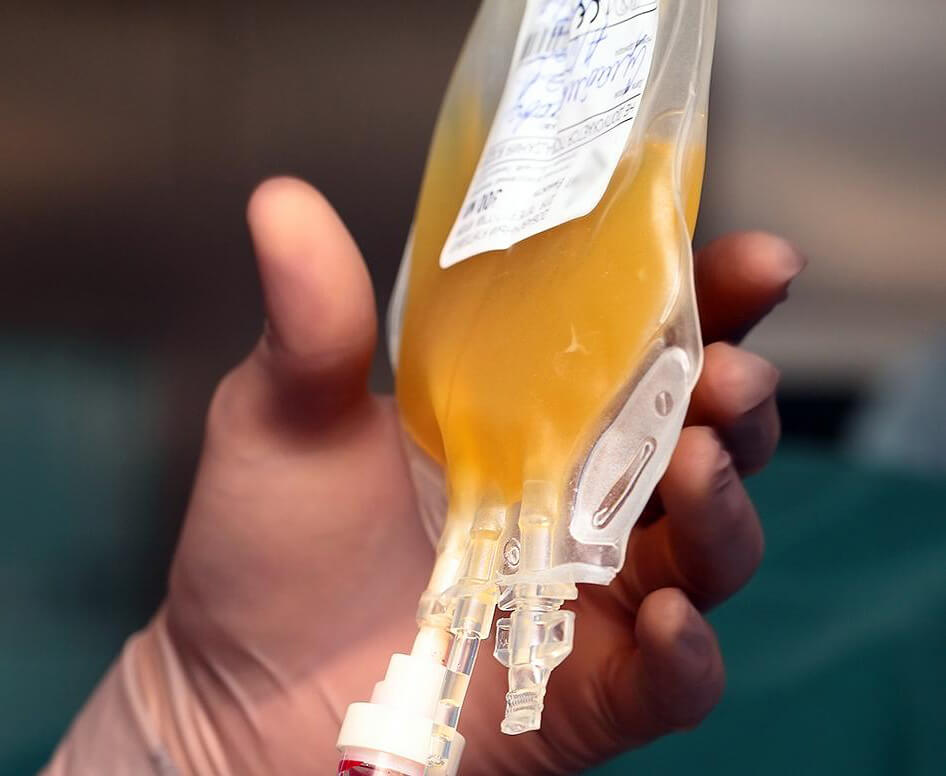
antibodytestingvirus xPlasma is the straw-colored liquid that remains after cells and fragments are removed from blood. Taking out the clotting factors leaves serum.

Antibodies are proteins built of Y-shaped subunits: IgG has one, IgM five. The tips of the antibody’s arms (epitopes) bind parts of a pathogen (antigens). Neutralizing antibodies can be given in convalescent serum or plasma without even knowing what the germ is, which may explain why the technique has been used for so long.

Convalescent plasma is termed “passive immunotherapy” because the recipient gets the antibodies and not the plasma cells that produce them. So the effect won’t last, but may be enough to save someone.

To donate plasma, blood is typed (ABO and Rh) and screened for viruses. Then a technique called plasmapheresis removes antibodies from plasma and returns the cells to the person, replacing the plasma with saline. It takes about 90 minutes.

A donor can give plasma more frequently, and more per session, than donating whole blood. And if the donor lives near the recipient, chances are that both individuals were infected with the same version of a pathogen.

The ‘childhood diseases’

The first attempts that led to convalescent plasma were done in animals, using serum from rabbits and horses, in the 1880s.

In 1894, Emil Behring, who won the Nobel Prize in Physiology or Medicine in 1901, published findings on 220 children with diphtheria, a bacterial infection. Serum given within two days of diagnosis was 100% successful in treating the disease, but the rate dropped in children who had been sick longer.

In 1897, German surgeon Leopold Weissbecker treated 5 children who had scarlet fever, another bacterial infection. This time it didn’t work.
ps measles child x
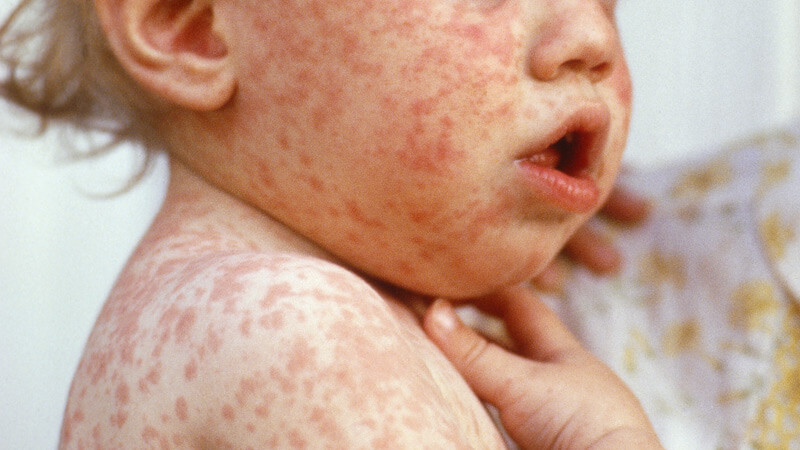
Like COVID-19, measles was mild in most children, but deadly in some. It spread like wildfire. I was very sick for a month. Image: Medscape

A superstar in convalescent plasma lore was physician/scientist Abraham Zingher, who worked for the New York City Department of Health. In 1916 he and co-worker William Park injected 48 children who’d been exposed to measles with serum from children who had recovered; 28 got low doses and 20 high.

Six low-dose kids got measles, and none of the high-dose kids did. On August 15, 1916, The New York Times reported, “Dr. Zingher, discussing his suggestion that physicians all over the city inject into the children serum made from the blood of parents , said last night he was not sure that such injections would avail, but anyway, he said, they would be harmless.”

Dr. Zingher published an account of his work on measles in 1924, and he then used serum to prevent or lessen severity of polio and scarlet fever. A strange footnote is that he was found dead sitting at his lab bench at Willard Parker Hospital at age 42 from inhaling toxic gas.

Pandemic influenza: 1918 and 2009

While Dr. Zingher was focusing on childhood diseases, the “Spanish flu” (H1N1) swept the world, killing 50 to 100 million. To treat the acute respiratory distress syndrome and multi-organ failure that killed patients, desperate doctors turned to convalescent plasma.

Eight studies conducted between 1918 and 1925 followed the fates of 336 patients who received plasma and 1,219 who didn’t. The fatality rate was 16% for those who did and 37% for those who didn’t, and the earlier the treatment, the more effective it was.

In 2009, a novel influenza strain, also H1N1, arose in Asia that resembled the 1918 killer. Researchers in the US military investigated use of convalescent plasma saved from survivors of the 1918 pandemic, but supplies were sparse.
download
Antibodies IgM and IgG

Then investigators from Hong Kong tried plasma from people who’d survived the novel 2009 influenza. They recruited 93 patients requiring intensive care, 20 of whom volunteered to receive plasma.

Mortality was 20% among the treated patients compared to 54.8% among the patients declining plasma. The treated patients also had lower viral loads and cytokine responses (a cytokine “storm” is what often kills, as the immune system goes into warp drive).

Fortunately the 2009 influenza pandemic dampened naturally into a mild seasonal illness. But epidemiologists knew it could happen again. So the team from Hong Kong evaluated the feasibility of collecting plasma from many people.

Results were disappointing. Of 9,101 people who’d recovered, 301 donated plasma and 379 gave blood, amounting to only 276 liters of convalescent plasma.

A parade of viral diseases: from SARS to Ebola

After antibiotics came along in the 1940s, which treat bacterial infections, convalescent plasma turned to viral diseases: mumps in 1944, a viral rash called pityriasis rosea in 1957, Lassa fever in 1984 and Argentinian hemorrhagic fever in 1985. The list also included chickenpox, parvovirus B19, rabies, hepatitis B, cytomegalovirus, respiratory syncytial virus and polio.

Doctors didn’t know exactly what they were putting into their patients, but it seemed to work. And the numbers started to build.

Key evidence came from Argentinian hemorrhagic fever, caused by Junin virus. Researchers tracked 23 annual epidemics spanning 1959 to 1983, involving 4,433 patients. Mortality among patients receiving standard treatment was 42.85%, but for those who received convalescent plasma, it was only 3.29%.

With those stats, it made sense to try convalescent plasma on SARS.
ebola virus particle
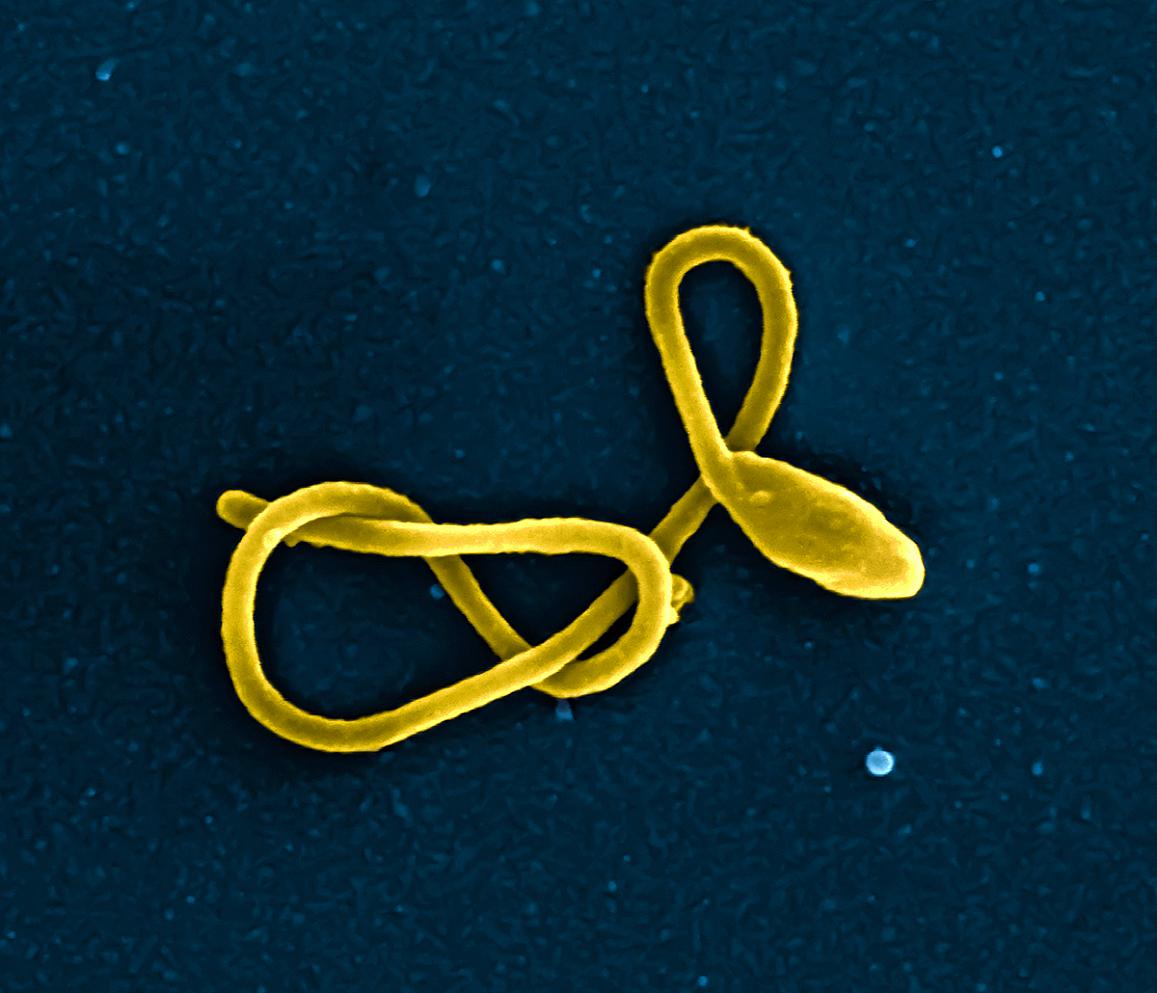
Ebola virus. Image: NIH

A study of 80 patients in Hong Kong from the year SARS emerged, 2003, showed that 58.3% of patients given convalescent plasma were discharged before day 14 compared to 15.6% of others. The plasma was even more helpful if given before exposed individuals tested positive. Yet one research team from China working on COVID-19 calls convalescent plasma to treat SARS “a last resort,” but acknowledge that it seemed to have worked.

Researchers were unnerved by the lack of neat, randomized, controlled clinical trials. But medical ethics and a time of desperation intervened.

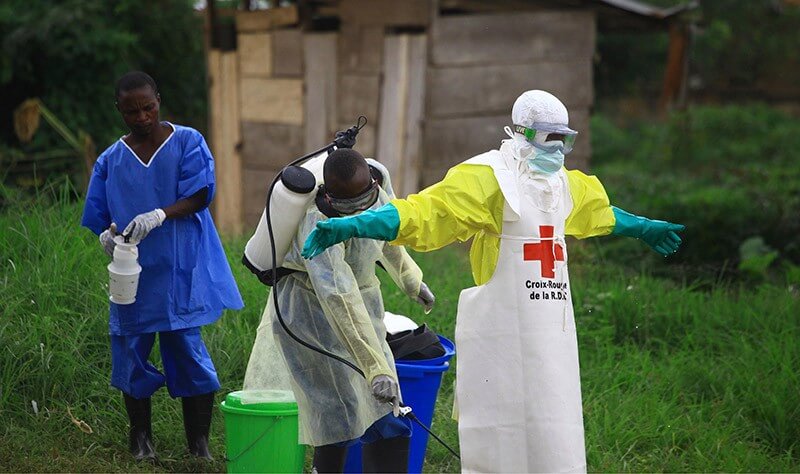
When Ebola broke out in Guinea in 2016, the World Health Organization prioritized testing convalescent plasma, pointing to success in 1995 in Zaire and in 2014 in Liberia. In Guinea, 99 patients received two doses of convalescent plasma. The controls were 418 patients who’d been treated at the same facility over the past 5 months, but who hadn’t received plasma.

Those getting convalescent plasma recovered faster from Ebola and 31% died compared to 38%. The researchers didn’t consider this significant, but another report showed that it can take nine months or longer for neutralizing antibodies against Ebola virus to appear. So it might have worked.

The Ebola studies suggested that plasma donations must match the timetable of the natural antibody response to a particular pathogen. And some pathogens, like MERS, which struck Saudi Arabia in 2016, might not elicit a strong enough antibody response for plasma donations to be possible.

COVID-19 and convalescent plasma

COVID-19 and the puzzling virus behind it have only been on our radar a few months. Until clinical trials can more objectively evaluate convalescent plasma, limited case series must suffice. The Infectious Diseases Society of America (IDSA) considered two recent case series, totaling 15 patients.

Follow the latest news and policy debates on sustainable agriculture, biomedicine, and other ‘disruptive’ innovations. Subscribe to our newsletter.

The first report, from Kai Duan and colleagues at the Wuhan Institute of Virology, looked at 10 patients given one dose of plasma and anti-viral medication. The patients developed high levels of neutralizing antibodies and improved within 3 days, with no detectable virus in the blood by day 7. Their lungs cleared.

The second case series, from Chenguang Shen and co-workers at Southern University of Science and Technology in Shenzhen, China, followed 5 critically ill patients who were taking anti-virals and who improved rapidly. But an accompanying editorial claimed “it is not possible to determine the true clinical effect of this intervention or whether patients might have recovered without this therapy.”

untitled designThe IDSA concluded that the patients in the two studies differed too much – in stage and severity of disease, other treatments, and baseline characteristics – to be compared. So even though the convalescent plasma didn’t do any harm, IDSA advised it be given only “in the context of a clinical trial.”

Are monoclonal antibodies the answer?

The flow of evidence supporting use of convalescent plasma continues, a few cases at a time, hopefully leading to a torrent of supportive data that will come from the large-scale clinical trials getting underway. ClinicalTrials.gov currently lists 45 entries for “convalescent plasma for COVID-19,” from 16 nations, all bearing the blue banner “NEW.”

#45 grabbed my attention. Researchers from Hospices Civils de Lyon in France and Eurobio Scientific are harnessing monoclonal antibody (MAb) technology to select and mass-produce the exact antibodies needed to neutralize the virus, rather than the soup that is convalescent plasma. MAb technology, around since 1975, has been used to diagnose everything from cancer to pregnancy to turf grass disease.

In the clinical trial, B cells (which mature into plasma cells) from the blood of five recovered patients are fused with cells that divide continuously. Because a B cell makes one type of antibody, the “immortalized” cell secretes huge amounts of a single, or “monoclonal,” antibody type – chosen because it vanquishes the virus. The pure antibodies will be given to five very sick patients.

Researchers at Utrecht University in the Netherlands have isolated a neutralizing antibody a different way – from collections of antibodies they already had from the original SARS coronavirus, from 2003. In fact it fights both coronaviruses. “This cross-neutralizing feature of the antibody suggests it may have potential in mitigation of diseases caused by future-emerging related coronaviruses,” said Berend-Jan Bosch, co-author of the paper in Nature Communications describing the work. 

A monoclonal antibody-based biologic will bring precision medicine to the mixed bag of possibilities that is the antique technique of convalescent plasma. Tapping into the exquisite specificity of antibodies takes advantage of the evolution of the human immune response.

Ricki Lewis is the GLP’s senior contributing writer focusing on gene therapy and gene editing. She has a PhD in genetics and is a genetic counselor, science writer and author of The Forever Fix: Gene Therapy and the Boy Who Saved It, the only popular book about gene therapy. BIO. Follow her at her website or Twitter @rickilewis

Can CRISPR gene editing give us an allergy-free cat?

devon rex kitten

If you’re among the 10% of people who are allergic to cats, you can blame a protein found in cat saliva and skin. The pesky protein spreads when cats groom themselves and shed their hair and dander around the home.

Scientists and immunologists have been interested in this protein, known as Fel d 1, for decades because of its role in cat allergies. If they could figure out a way to stop cats from producing this protein, they could put an end to the sneezing, wheezing, and sniffling once and for all. Currently, the options for would-be cat owners with allergies are limited: Certain breeds of cats deemed “hypoallergenic” are not completely allergen-free, and allergy shots aren’t effective for many people.

But the gene-editing tool CRISPR has opened up new possibilities for the future of hypoallergenic cats. Scientists at one Virginia company, Indoor Biotechnologies, have successfully used CRISPR to delete the gene that tells the body how to make Fel d 1. Not to worry — no animals were harmed in the process. The team experimented on feline cells, not live cats, but the researchers say the method shows promise for real pets.

Read the original post

Can Google’s medical AI improve our medical system? Laboratory results and real life offer different answers

image
[A] study from Google Health—the first to look at the impact of a deep-learning tool in real clinical settings—reveals that even the most accurate AIs can actually make things worse.

In the system Thailand had been using, nurses take photos of patients’ eyes during check-ups and send them off to be looked at by a specialist elsewhere­—a process that can take up to 10 weeks. AI developed by Google Health can identify signs of diabetic retinopathy from an eye scan with more than 90% accuracy—which the team calls “human specialist level”—and, in principle, give a result in less than 10 minutes.

When it worked well, the AI did speed things up. But it sometimes failed to give a result at all. Like most image recognition systems, the deep-learning model had been trained on high-quality scans; to ensure accuracy, it was designed to reject images that fell below a certain threshold of quality. With nurses scanning dozens of patients an hour and often taking the photos in poor lighting conditions, more than a fifth of the images were rejected.

“This is a crucial study for anybody interested in getting their hands dirty and actually implementing AI solutions in real-world settings,” says [AI researcher] Hamid Tizhoosh.

Read the original post

‘Genetic scrambling’ over millions of years makes it difficult to understand Earth’s earliest life

r

Biologists have long hoped to understand the nature of the earliest living organisms on Earth. If they could, they might then be able to say something about how, when, and where life arose on Earth, and perhaps by extension, whether life is common in the Universe.

Previous studies have suggested this information can be obtained by comparing the genes present in modern organisms.

Professor [Shawn] McGlynn explains, “A fundamental question in biology is what were the first life forms on Earth. There are two basic ways to try and address this. First, we can use the comparison of gene sequences to try and understand which ones seem most ancient. Second, we can look for evidence biology may have left in the geological record.” McGlynn says this work shows that although it is clear there is a fuzzy yet remarkable general outline of a family tree of life in the available DNA sequence data, there has been so much evolutionary change that it is still as of yet impossible to say how the earliest organisms made their living or in what types of environments they lived. This is because the signal is simply too noisy due to this early genetic scrambling.

Read the original post

Africa’s smallholder farmers need support to build resiliency and sustainability

south africa farm

The world is at a standstill due to the COVID-19 pandemic, but the smallholder farmers who feed millions of Africans are not given much attention and support.

Smallholder farming is a major source of food production and income for the global rural population in general, especially in the developing world. As many as 2.1-2.5 billion people are involved in farming smallholdings and there are perhaps 500 million smallholdings in the world, according to the Food and Agriculture Organization.

The good news is there’s loads of potential to unlock. Generally, smallholdings are a family affair, run in a rudimentary and inefficient way. A small improvement to the productivity of 100 farms via training or giving access to better fertilizers can have a huge impact.

The bad news is it’s tough. The large majority of smallholder farmers operate on their lonesome on lands that are isolated and cut off from towns and cities. They are really hard to reach, let alone help and engage in conversation.

More and more firms are getting it right by introducing new finance mechanisms to help farmers access loans and plan for their future. Farmer training is working wonders at boosting productivity, too.

But there is still so much that can be done. So far, too many companies have ignored this increasingly vulnerable tentacle of their supply chains. Maybe 2020 will be the year that smallholder farmers get the attention and support they need to build resilience and sustainability for the long term.

If nothing else, the coronavirus pandemic has taught us how to appreciate the little things we took for granted — having a social life, shaking hands, hugging, etc., which in our culture shows care and is a reflection of our affection.

I must quickly appreciate how countries, both large and small, are putting in place measures to cushion their citizens against further damage.

To date, some 3.6 million people worldwide have been infected with over 249,000 deaths. There is no vaccine or drug for it yet. It is unequivocal that the world has not seen anything this huge in a long time, with many on lockdown and living in fear.

An estimated 500 million smallholder farming families (representing more than 2 billion people) rely to varying degrees on agricultural production for their livelihoods. As the largest global segment by livelihood of those living on less than US$2 a day, smallholder families are central to global financial inclusion efforts. But reaching smallholders with financial services is challenging in Ghana, where I live, as well as elsewhere in Africa.

Agriculture accounts for about 20 percent of Ghana’s GDP and employs 44.7 percent of the working population. But as is true in other parts of Africa, the sector faces difficulty because of its strong dependence on raw materials prices and vulnerability to climatic vagaries.

Inadequate finances, climate change, poor pricing and marketing incentives, inadequate agricultural extension agents, pests, plant diseases and a lack of access to fertilizers are all contributing to the declining fortunes of the sector.

In the Northern and Upper West regions of Ghana, for instance, more than 70 percent of the economically active population is engaged in agriculture activities. Small scale farmers in Ghana’s poor rural areas have limited access to the assets that would facilitate a shift from low-productivity subsistence farming to modern, commercial agriculture. Major constraints to their livelihoods include lack of infrastructure and insufficient access to equipment, such as agricultural inputs and technology, and facilities for storing, processing and marketing products.

The way forward

Firstly, farmers should be motivated and supported to increase their production. The bulk of the food supply in Ghana and elsewhere in Africa comes from smallholder farmers; however, existing policies that support their productivity have historically undermined their performance. Farmers who show evidence of being in production should be able to access emergency funds without repayment conditions.

Secondly, agriculture inputs should immediately be classified as essential materials and steps taken to ensure their uninterrupted supply to various depots. Similarly, food transport and distribution should be considered as a national security issue and thus a protected activity under the restrictive laws.

Thirdly, the price control system should be instituted with immediate effect. We are not in ordinary times where market forces of demand and supply are allowed to determine the price of food.

Mindful that Africa is yet to hit the plateau of the coronavirus infection curve, governments must prepare for the worst-case scenario and be ready to activate organized emergency food deliveries. This calls for efficient collaboration between government entities and transport operators on one hand and local and community organizations and farmers on the other to ensure enough buffer stock.

Is this going to be the era that will cause Ghana and Africans to take the smallholder farm sector seriously, to ensure that the appropriate structures are put in place for its recognition and full integration into the wider economy? We keep our fingers crossed.

This article originally ran at the Cornell Alliance for Science and has been republished here with permission. Follow the Alliance for Science on Twitter @ScienceAlly.

‘Impenetrable medical jargon’: Why retooling ClinicalTrials.gov should be a priority

clinical trial finder custom@ x

Millions of people visit ClinicalTrials.gov each year to find a trial that they or a loved one might be eligible to join. It’s the largest public database of clinical studies in the world, listing more than 300,000 trials in the U.S. and around the world.

But as patients, families, and advocacy groups all say, ClinicalTrials.gov is not an easy website to use. Trial designs are confusing to users who aren’t familiar with clinical research. And inclusion and exclusion criteria, as well as outcome measures, often read as impenetrable medical jargon that only researchers can understand.

The best option would be for all trial seekers to use a retooled ClinicalTrials.gov that could quickly and easily allow them to restrict their searches to a particular geographic area, a single institution, or a disease type, rather than relying upon a patchwork of trial finders.

[O]ther trial finders show only trials that are recruiting or that haven’t yet begun recruiting, instead of including past, present, and future trials in their results. After all, if you’re a patient looking for a trial to participate in, you aren’t interested in ones that have already closed.

The move to modernize ClinicalTrials.gov is a unique opportunity to create one premier trial-finding site. Let’s make sure it gets done right.

Read the original post

EU could make 25% of its farmland organic by 2030 to combat biodiversity loss

organic

The EU could set a target of one-quarter of agricultural land in Europe to be farmed organically by 2030, with an additional goal of reducing the use of chemical pesticides by 50%.

The plan to increase the amount of organic farming in Europe is understood to be included in the latest draft of the EU’s Biodiversity Strategy to 2030, scheduled to be published later [in May 2020].

The proposal to reduce the use of pesticides and nitrogen, while increasing the use of integrated pest management methods, has been included in a draft of a Farm to Fork (F2F) strategy, which will sit alongside the biodiversity strategy.

According to Brussels insiders, the latest draft text of the plans suggests that transformative change is “urgently required” to reverse the trend of biodiversity losses.

It says organic farming is the “best-known and best-regulated agro-ecological practice”, but acknowledges there would also be a need for measures to increase demand for organic produce through a commission action plan.

Read the original post

Viewpoint: We can reopen the economy, but won’t get ‘back to normal’ without a coronavirus vaccine

t z rc bqe h gb rtrmadp china health philippines x

During his time at the Centers for Disease Control and Prevention, Farzad Mostashari, M.D., investigated infectious disease outbreaks. Mostashari also spent a chunk of his career creating policy in Washington, D.C., including as the National Coordinator for Health IT.

Combined, the background in epidemiology and policy has afforded him a unique viewpoint into the current COVID-19 pandemic.

He was one of five healthcare experts, including former FDA chief Scott Gottlieb, who penned a proposed plan to build a national COVID-19 surveillance system. In that recently published paper, issued by the Duke-Margolis Center for Health Policy, Mostashari, Gottlieb and other leaders argued that a system to effectively track and trace COVID-19 is a prerequisite for gradually reopening the economy.

FH: When do you think things will get back to normal?

FM: We won’t get to back to normal until there is widespread inoculation with a vaccine. We can have a phased approach to gradually loosening the restrictions as we ramp up surveillance and contact tracing. If the numbers start to go up again, then we will have to respond. It’s not a light switch that you turn on or off, it’s more like a dimmer switch or a dial that you adjust.

Read the original post

COVID-19, climate change may accelerate public acceptance of CRISPR-edited food

cfd e fca c d fc b a a e cf a be a b d tomaat genome editing bc c e x ccc x

Gene editing, like genetic modification, is a technology that has attracted a fair amount of skepticism from European regulators and citizens. However, proponents argue that it will be an invaluable tool in the construction of a future-fit food system. FoodNavigator speaks to Dr Oliver Peoples, CEO of Yield10 Bioscience, about changing attitudes to the science.

Yield10 Bioscience​ develops new technologies to increase crop yield in support of a more sustainable food system.

Dr Peoples also suggested that attitudes towards the use of science in food are being shaped by external events.

“For millennials, climate change and sustainability are their key decision drivers and they are more open to technology in general. Many are not vested in the anti-GMO falsehoods which sustained the entire careers of anti GMO activists before evolving into a negative marketing tool. We’re living in a time where consumer decisions are driven by their social, economic, environmental and health interests.”​

The current coronavirus crisis – the first global pandemic since the 1918 Spanish flu – has led to people feeling ‘threatened physically and economically by the COVID-19 virus’. This, too, is making people more open to science-based solutions.

Read the original post

‘Microbe maps’: Swabbing subways, ATMs and park benches to find coronavirus hot spots

rpdtibahnnh iviw efr uyzq

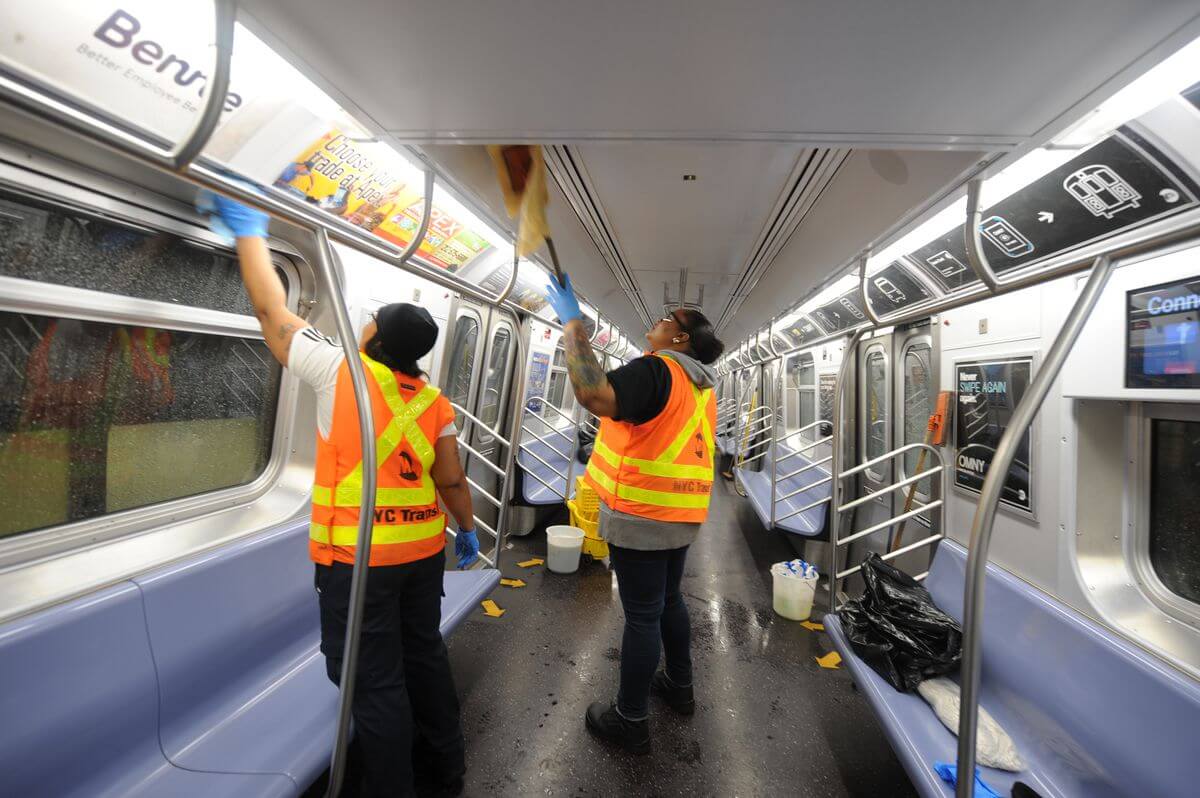
Nearly a decade ago, after watching his young daughter lick a pole in a subway car, computational biologist Christopher Mason got the idea to start regularly swabbing the handrails, turnstiles, seats, and floors inside New York City’s metro system. Sequencing of these samples back in his lab at Cornell Weill led to the first map of the microbes that call the city’s transit system home.

[I]n 17 pilot cities, MetaSUB scientists started swabbing for traces of genetic material from SARS-CoV-2 as early as the first week of February. When subways shut down, they switched to other high-touch surfaces, like ATMs and park benches. So far, they’ve collected 3,600 samples.

The goal of all this swabbing and sequencing is twofold: One, to better understand the virus’s transmission dynamics. How long does it stay alive on surfaces? How much of it is in the air? How risky is riding the subway, really? Answers to those kinds of questions can help public health officials make decisions now to protect citizens during the early stages of the pandemic. But the second aim is more long-term: detecting potential hot spots of infection in highly trafficked areas before people start showing up in emergency rooms.

Read the original post

Genetic tracking helps contain Ebola outbreaks. Why hasn’t it worked with the coronavirus?

d

The first sign that viral genomics might transform epidemiology came in the wake of the 2013-16 Ebola epidemic in West Africa. For the first time, on-the-ground, same-day genetic sequencing allowed epidemiologists to examine the genome of the virus as it spread.

Biostatisticians had used viral genomes to piece together the family tree of the Ebola outbreak, and then used that family tree to map the Ebola virus as it spread.

[B]y the time the novel coronavirus emerged in late 2019, the global health community was ready to dig into its genes.

[T]he virus is particularly difficult to track from its genome, as it mutates more slowly than other diseases. And because it spreads so quickly, even a few days of lag time in testing and sequencing can be too slow to contain an outbreak.

As testing has become more widespread and the CDC rolls out a national sequencing partnership, studies have begun to show missed opportunities to contain the virus.

Eventually, these findings will help bring future waves of the coronavirus under control, [said the CDC’s Duncan MacCannell]. “The one thing that I think is going to be different about this epidemic is the amount of rich genomic data that’s going to be out there in the public domain.”

Read the original post

Reversing herbicide resistance? Geneticists uncover source of ‘dreaded’ pigweed’s glyphosate tolerance

palmer

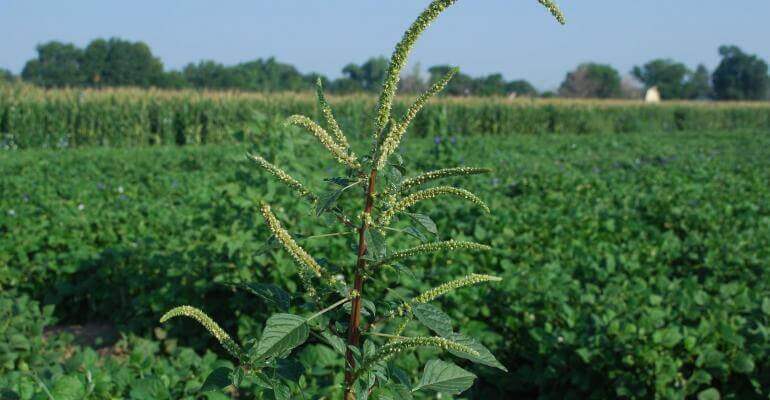
Just hearing “pigweed” can cause fear in cotton and soybean farmers, but a Clemson University geneticist and others believe they have discovered the armor this dreaded weed uses to protect itself against the herbicide glyphosate.

The researchers have determined a specific genetic feature, the extrachromosomal circular DNA (eccDNA) replicon, gives pigweed, or Palmer amaranth, its resistance to glyphosate and makes this weed difficult to control.

This discovery could help refine herbicide treatment strategies and combat the rise of resistant weeds, said Clemson geneticist Chris Saski.

“The DNA structure of the eccDNA replicon is sophisticated,” said Saski, an associate professor of systems genomics in Clemson’s Plant and Environmental Sciences Department. “This circular molecule contains functional genes intermixed among complicated repetitive DNA that seemed to have originated from different chromosomes  ….”

[T]he researchers found pigweed DNA in resistant plants had drastically changed to form a very large, self-replicating circular DNA in addition to its normal chromosomes that carried the gene for the protein that glyphosate attacked.

“What this means is plants like pigweed that contain the eccDNA are able to survive and propagate where glyphosate is used frequently,” Saski said, adding that glyphosate stress might contribute and influence eccDNA formation and activity.

Read the original post

Facing weak yields and poor weather, Bolivian farmers demand access to new GMO seeds

bo bolivian farmer result x

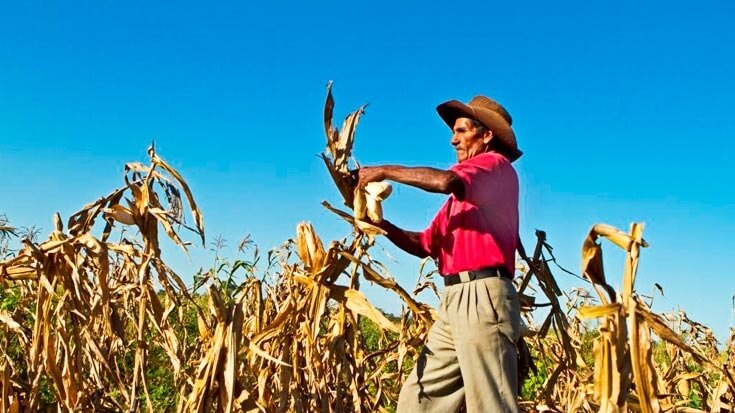
Facing declining yields and inclement weather, smallholder farmers in Bolivia are asking the government to approve of the use of more transgenic seeds to reduce production costs in crops such as soybeans, corn and sorghum.

Isidoro Barrientos, president of the Chamber of Small Producers of Santa Cruz (Cappo), said the situation is critical because of four consecutive years of crop losses due to inclement weather, floods and droughts, and the low prices of some grains such as soybeans …. Barrientos said that it is necessary for the government to prepare a standard for the use of biotechnology ….

The leader argued that the use of transgenic seeds will reduce producers’ operating costs and increase their yields. “The small producers of soybeans and other winter rotation grains such as corn, sorghum, wheat and sunflower, are on the verge of bankruptcy,” said Barrientos.

[Editor’s note: This story was published in Spanish and has been translated and edited for clarity.]

Read the original post

‘Increasingly confident’: Children less vulnerable to coronavirus, numerous studies say

screenshot why the new coronavirus mostly spares children

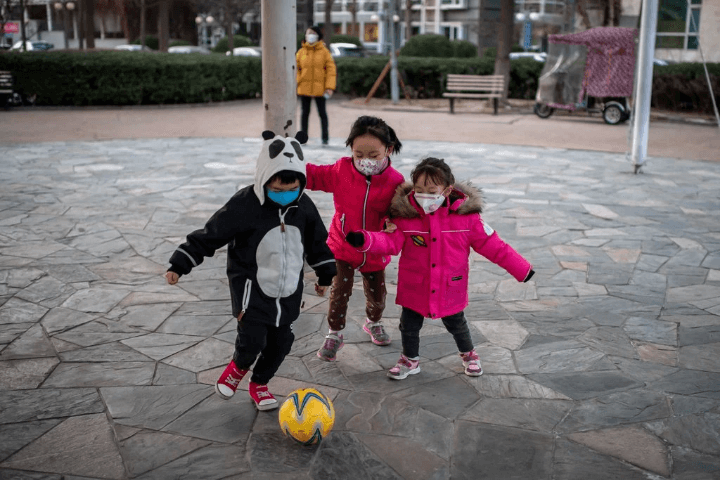
Doctors are increasingly confident that children are less affected by the new coronavirus than adults, a finding that could aid governments considering next steps in reopening economies.

Medical professionals recognized early in the global pandemic that children generally appeared to be less susceptible to falling ill from the new bug, with fewer confirmed cases, hospital admissions, serious complications or deaths than their parents or grandparents.

Only 1.7% of nearly 150,000 infections were found in people under 18 years of age, according to a nationwide analysis of U.S. data published this month by the Centers for Disease Control and Prevention.

Now a review of 67 studies from across the world by a network of child-health experts who pore over evidence to aid clinicians has found broadly the same pattern. From Wuhan in China, where the outbreak began, to the U.S. and Europe, children are far less likely than adults to suffer gravely from Covid-19, with most showing few symptoms. Available data shows only a tiny proportion have succumbed and died.

Some experts caution, though, that while the evidence is persuasive it is incomplete, and there are still risks to some children’s health and the wider community from Covid-19 … if schools open their doors too soon or without new safeguards to limit infection.

Read the original post