How GMO and CRISPR gene-edited plants are playing key roles in developing coronavirus vaccines and treatments

tobacco
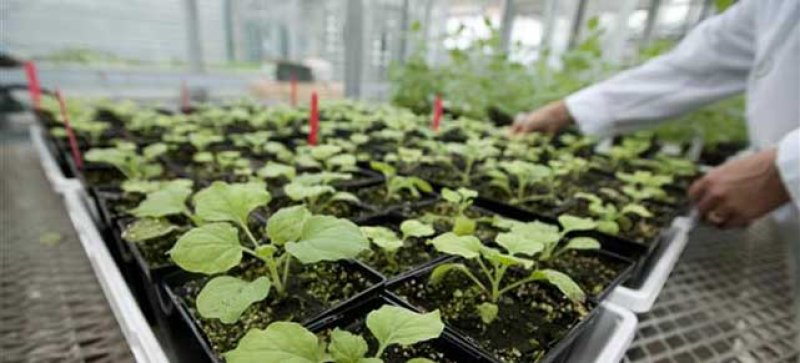
Tobacco plants being grown by Guelph, Ontario-based Plantform for production of an Ebola vaccine. Credit: Plantform

Questions about the origin of the COVID-19 virus (SARS-CoV-2) were raised, and some even speculated that the virus is a product of genetic engineering. In a Nature Medicine article, scientists from the US, UK, and Australia reported that the genome sequence of the COVID-19 virus evolved naturally erasing the popular myth.

Similar to other viruses, the COVID-19 virus spreads through droplets of saliva or nasal discharge. Infected individuals experience mild to moderate respiratory illness and can recover without medications. However, older patients with underlying medical concerns such as heart disease, diabetes, cancer, hypertension, and chronic respiratory disease are more likely to develop serious illness.

Thus, scientists from various fields all over the world are working hard to come up with effective treatments to curb the pandemic.

…

Diagnostics: Test Kits Using CRISPR and Algae

COVID-19 testing is conducted through various means in different countries.

…

Western University and Suncor are developing serological test kits for COVID-19 using algae as a production factory for making the vital proteins for antibody identification.

…

Vaccines: Using Plants as Biofactories

Vaccines are known to be the most cost-effective and efficacious method to lessen the disease burden of infectious diseases. Thus, experts are striving towards developing an effective vaccine to combat the spread of COVID-19. This includes plant-derived vaccines, which can be produced with less cost in high amounts, carrier plants are readily accepted by patients and antigens derived from them are stable and can be stored for a long time.


Read the original post

Related Articles

Infographic: Global regulatory and health research agencies on whether glyphosate causes cancer

Infographic: Global regulatory and health research agencies on whether glyphosate causes cancer

Does glyphosate—the world's most heavily-used herbicide—pose serious harm to humans? Is it carcinogenic? Those issues are of both legal and ...

Most Popular

Screenshot-2026-10-12-at-10.44.38-AM
Widely condemned as unethical, hepatitis B vaccine study funded by RFK Jr’s CDC gets a final greenlight
Open-Menthol-Cigarette-Pack
How the tobacco industry conspired with conservative activists to kill the Biden administration’s proposed ban on menthol cigarettes 
ChatGPT-Image-Mar-10-2026-01_39_01-PM
Viewpoint—“Miracle molecule” debunked: Why acemannan supplements don’t work
Cross and Syringe Standoff
Viewpoint: Hijacking Jesus: How anti-vaccine fanatics are exploiting religious exemptions and killing children
Screenshot-2026-10-11-at-10.24.21-AM
Viewpoint: RFK Jr.’s new CDC head Erica Schwartz greenlights hepatitis B vaccine study critics call “unethical and designed to cast doubts on its safety”
Caution-Taped-Fresh-Produce-Aisle
Should we be afraid of our food?
Screenshot-2026-10-12-at-12.18.57-PM
5 deaths, 1,000 reported cases: These horrific numbers underestimate the consequences of the anti-vax movement
Profile and Vaccination Portraits
Convinced COVID shots cause widespread harm, Kennedy plans federal initiative to incentivize doctors to report alleged injuries
Personalized-Cancer-mRNA-Vaccine-Vial
Personalized mRNA vaccines are poised to revolutionize cancer treatments. Here are the barriers.
Screenshot-2026-10-05-at-11.57.44-AM
Scaremongering or legitimate safety concerns? The political dogfight over America’s food safety system
Screenshot 2026-10-12 at 12.25
Tearful onions? CRISPR has a solution for that
Deepfake Democracy Media Mosaic
31 states have passed a patchwork of laws to limit election deepfake commercials. They’re not working very well.
glp menu logo outlined

Get news on human & agricultural genetics and biotechnology delivered to your inbox.