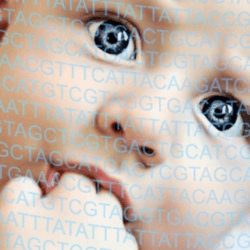
‘Thinness gene’ could offer genetically engineered weight control strategy

skinny genes help keep some thin new study finds x

While others may be dieting and hitting the gym hard to stay in shape, some people stay slim effortlessly no matter what they eat. In a study publishing [May 21] in the journal Cell, researchers use a genetic database of more than 47,000 people in Estonia to identify a gene linked to thinness that may play a role in resisting weight gain in these metabolically healthy thin people. They show that deleting this gene results in thinner flies and mice and find that expression of it in the brain may be involved in regulating energy expenditure.

“We all know these people: it’s around one percent of the population,” says senior author Josef Penninger, the director of the Life Sciences Institute and professor of the department of medical genetics at the University of British Columbia.

…
The researchers say that therapeutics targeting the gene might help scientists fight obesity in the future. “If you think about it, it’s realistic that we could shut down ALK and reduce ALK function to see if we did stay skinny,” says Penninger. “ALK inhibitors are used in cancer treatments already. It’s targetable. We could possibly inhibit ALK, and we actually will try to do this in the future.”


Read the original post

Related Articles

Infographic: Global regulatory and health research agencies on whether glyphosate causes cancer

Infographic: Global regulatory and health research agencies on whether glyphosate causes cancer

Does glyphosate—the world's most heavily-used herbicide—pose serious harm to humans? Is it carcinogenic? Those issues are of both legal and ...

Most Popular

ChatGPT-Image-Mar-10-2026-01_39_01-PM
Viewpoint—“Miracle molecule” debunked: Why acemannan supplements don’t work
Screenshot-2026-09-17-at-1.07.08-PM
'We are dangerously addicted to antidepressants': Should we heed RFK Jr.’s sobering warning?
Screenshot-2026-09-03-at-10.51.20-AM
Viewpoint: Why do online health lies outlive the evidence that debunks them? Read "Everyone Else Is Lying to You"
ChatGPT-Image-Sep-2-2026-02_03_32-PM
How much of a problem is AI’s water use?
ChatGPT-Image-Sep-23-2026-01_52_03-PM
Viewpoint: 4 very real AI doomsday scenarios
ChatGPT-Image-Sep-22-2026-10_32_46-AM
There has been a slew of recent reports of food recalls and foodborne outbreaks. Do we face an escalating problem?
ChatGPT-Image-Aug-26-2026-12_46_16-PM
Viewpoint: The fake controversy over whether combining childhood vaccines is dangerous— a debate science resolved 25 years ago
Screenshot-2026-09-23-at-11.55.01-AM
How can we know if social media bans actually help teens?
Screenshot-2026-09-22-at-11.40.28-AM
After Idaho criminalized abortion providers in 2022, one-third of obstetricians fled. Health care advocates are making rural health the case for repealing the ban
Screenshot-2026-09-23-at-3.15.09-PM
Anti-GMO activists in Pakistan rev up their campaign of dire warnings
Screenshot-2026-09-17-at-12.00.30-PM
Investigative group ProPublica finds links between ectopic pregnancy deaths and abortion bans
ChatGPT-Image-Sep-17-2026-12_28_43-PM
Vitamin D, omega-3 fish oil and glucosamine supplements could cause brain damage 
glp menu logo outlined

Get news on human & agricultural genetics and biotechnology delivered to your inbox.