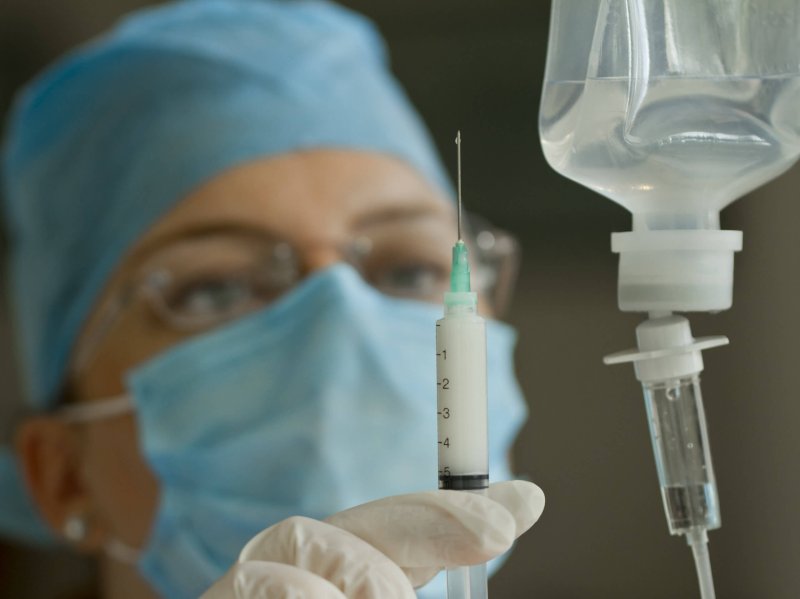
Hospitals face chronic shortages of injectable opioids. The COVID-19 pandemic made things worse.

injection
Vizient, a group purchasing organization that negotiates lower prices with drug manufacturers, sent recommendations that the Food and Drug Administration expand access to drugs heavily used with ventilator patients.

For years, hospitals chased supplies, sometimes resorting to inferior substitutes. The shortfall grew so dire in 2018 that a drugmaker sent letters advising hospitals they could use batches of opioid syringes potentially containing hazardous contaminants – so long as they filtered each dose.

[Editor’s note: Opioid pills and patches have been heavily used during the ongoing US overdose epidemic. Hospitals have been dealing with shortages of these painkillers in an injectable form. Now the COVID-19 pandemic has increased demand.]

Then the novel coronavirus struck, and demand for injectable opioids exploded. By April, more than 16,000 COVID-19 patients a day were on ventilators.

Underlying the persistent shortages – and the present crisis – are the basic economics of the American drug industry. The market discourages production of low-margin hospital injectable opioids in favor of high-profit prescription versions.

Though deficiencies in the supply of injectable opioids had long been recognized, U.S. drug makers, hospitals, regulators and lawmakers failed to fix the problem and were caught unprepared for a pandemic that suddenly and dramatically escalated demand, Reuters found.

Sen. Susan Collins, a Republican from Maine, said she had pushed for new incentives to encourage manufacturing of drugs at risk of shortage earlier this year, but federal agencies told her they did not want to pursue substantive action amid the pandemic. “This is a really important issue, and the coronavirus has really shined a light on it,” Collins told Reuters.


Read the original post

{{ reviewsTotal }}{{ options.labels.singularReviewCountLabel }}
{{ reviewsTotal }}{{ options.labels.pluralReviewCountLabel }}
{{ options.labels.newReviewButton }}
{{ userData.canReview.message }}

Related Articles

Infographic: Global regulatory and health research agencies on whether glyphosate causes cancer

Infographic: Global regulatory and health research agencies on whether glyphosate causes cancer

Does glyphosate—the world's most heavily-used herbicide—pose serious harm to humans? Is it carcinogenic? Those issues are of both legal and ...

Most Popular

ChatGPT-Image-Mar-10-2026-01_39_01-PM
Viewpoint—“Miracle molecule” debunked: Why acemannan supplements don’t work
ChatGPT-Image-Jul-1-2026-12_37_08-PM
Viewpoint: Trump poised to politicize all U.S.-supported science research
ChatGPT-Image-Jun-25-2026-12_23_17-PM
No, Bill Gates did not secretly engineer ticks to promote veganism
ChatGPT-Image-Jun-30-2026-10_27_31-AM
Viewpoint: Europe clears the way for gene-edited crops — but fear-driven restrictions still slow their full potential
ChatGPT-Image-Jul-1-2026-03_33_49-PM
‘Alternative’ cancer treatments that could kill you
ChatGPT-Image-Jul-7-2026-03_07_17-PM
Kennedy blocks preventive health care panel that reviews treatments for HIV, diabetes, and cancer from meeting — for fourth time
DtAieAIkCZy-uchn-oqg
Viewpoint: In the science misinformed grifter game plan, the organic-food-is-healthier myth might be the worst.
ChatGPT-Image-Jul-7-2026-01_57_55-PM
Viewpoint: Europe’s rejection of air conditioning is the poster child for misunderstanding how to mitigate the impact of climate change
d a ca e c c beb x
Facts & Fallacies podcast: The 'woke' crusade against anthropology? Dr. Elizabeth Weiss
ChatGPT-Image-Jun-15-2026-01_04_14-PM
Viewpoint: How politicized science became a political religion 
ChatGPT-Image-Jun-15-2026-03_00_23-PM
World’s first AI-designed vaccine explained
glp menu logo outlined

Get news on human & agricultural genetics and biotechnology delivered to your inbox.