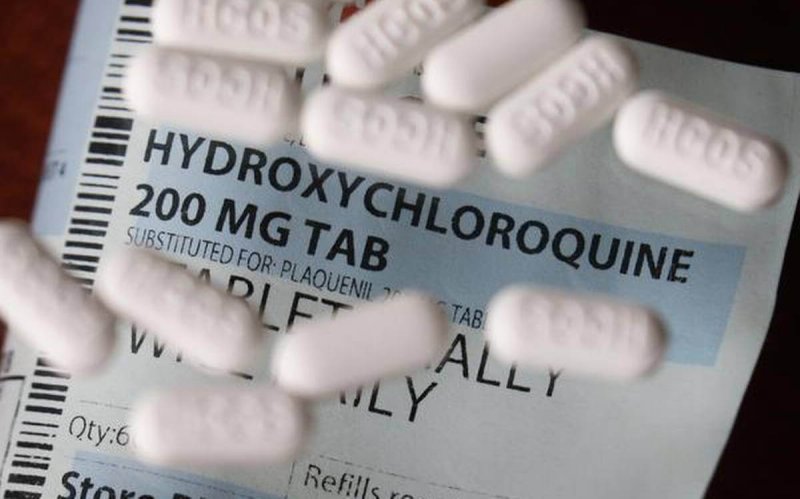
Trump administration pushing FDA to re-authorize hydroxychloroquine based on recent questionable study

vbk hydroxychloroquine ap
Credit: AP
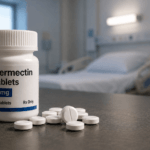
[Trade advisor Peter Navarro is pushing for] a second emergency authorization for the antimalarial drug hydroxychloroquine to treat covid-19, the disease caused by the coronavirus.

Navarro, armed with a new study that he says shows the drug’s effectiveness, is being cheered on by President Trump, who has long touted the drug as a “game changer” and even used it himself as a possible preventive measure.

Navarro says his goal is simple: At a time when the virus is surging in many parts of the country, there are 60 million doses of hydroxychloroquine in the Strategic National Stockpile that can’t be distributed unless the FDA issues an emergency authorization. He asserted the Henry Ford study shows the drug works when used as an early treatment and said the FDA should take action “within days, not weeks or months” so he could send the shipments.

But the Henry Ford study has been sharply criticized by scientists who said it shouldn’t be used to change policy. It was an observational study, considered much less rigorous than a randomized trial, in which patients are randomly assigned to receive a treatment or not. And its results fly in the face of three major randomized trials that have found hydroxycloroquine is not effective in treating or preventing covid-19.

Read the original post

{{ reviewsTotal }}{{ options.labels.singularReviewCountLabel }}
{{ reviewsTotal }}{{ options.labels.pluralReviewCountLabel }}
{{ options.labels.newReviewButton }}
{{ userData.canReview.message }}

Related Articles

Infographic: Global regulatory and health research agencies on whether glyphosate causes cancer

Infographic: Global regulatory and health research agencies on whether glyphosate causes cancer

Does glyphosate—the world's most heavily-used herbicide—pose serious harm to humans? Is it carcinogenic? Those issues are of both legal and ...

Most Popular

Screenshot-2026-03-13-at-12.14.04-PM
The FDA wants to make many popular prescription drugs OTC—a great idea. Here’s why it’s unlikely to happen
Screenshot 2026-05-06 at 2.56
Singularity crisis ahead? Can super babies save us from rogue AI geniuses?
Screenshot-2026-05-04-at-12.54.32-PM
How Utah became the country’s supplement capital  — and a haven for unregulated, ineffective and fake products
Screenshot-2026-04-20-at-2.26.27-PM
Viewpoint — Food-fear world: The latest activist scientists campaign: Cancer-causing additives
Screenshot-PM-24
Viewpoint: The herbicide glyphosate isn’t perfect. Banning it would be far worse.
images
The never-ending GMO debate: Pros and cons
Screenshot-2026-05-01-at-11.56.24-AM
‘Science moves forward when people are willing to think differently’: Memories of DNA maverick Craig Venter
Screenshot-2026-04-03-at-11.15.51-AM
Paraben panic: How a flawed study, media hype, and chemophobia convinced the public of the danger of one of the safest classes of preservatives
Screenshot-2026-04-30-at-2.19.37-PM
5 myths about summer dehydration that could damage your health — or even kill you
79d03212-2508-45d0-b427-8e9743ff6432
Viewpoint: The Casey Means hustle—Wellness woo opportunism dressed up as medical wisdom
ChatGPT-Image-May-1-2026-02_20_13-PM
How RFK, Jr.’s false vaccine claims are holding up $600 million to fight diseases in poor countries
glp menu logo outlined

Get news on human & agricultural genetics and biotechnology delivered to your inbox.