EU environmental groups say proposed pesticide rules would ‘water down’ protection for pollinators

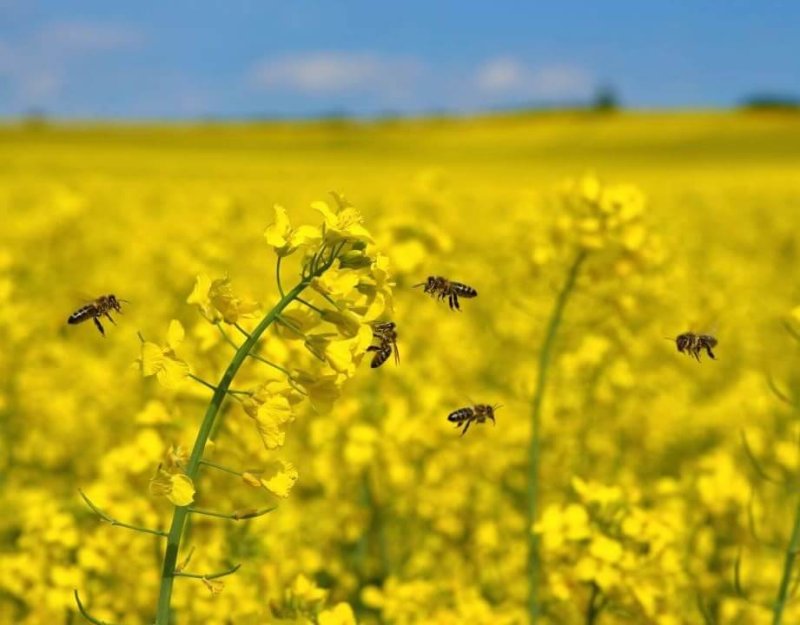
Field of oilseed rape with bees e

EU countries …. expressed their preference for a way of regulating potentially bee-harming pesticides that has been contested by environmental NGOs.

EU countries’ representatives held an informal vote in a Commission-chaired standing committee, [July 16 and 17], and — according to a person familiar with the proceedings — overall indicated that the impact pesticides have on bees should be assessed based on the “natural variability” of a colony’s mortality. Fifteen countries backed that approach at a meeting on June 30, and last week’s roundtable yielded a similar result, the person said.

[Editor’s note: To learn more about bees and pesticides, read The world faces ‘pollinator collapse’? How and why the media get the science wrong time and again.]

The NGOs Pesticide Action Network and BeeLife European Beekeeping Coordination have argued this approach will water down EU protections for pollinators. “In a dossier based in such large uncertainties, the precautionary principle would imply the adoption of the most protective approach,” BeeLife’s Noa Simon wrote in a statement.

The Commission is currently revising its bee guidance document — a set of strict guidelines for screening pesticides’ impact on bees that was initially written in 2013, but which a majority of EU countries have blocked. Now the Commission is seeking the green light for a new approach to bee protection to break the impasse.

Read the original post (Behind paywall)

{{ reviewsTotal }}{{ options.labels.singularReviewCountLabel }}
{{ reviewsTotal }}{{ options.labels.pluralReviewCountLabel }}
{{ options.labels.newReviewButton }}
{{ userData.canReview.message }}

Related Articles

Infographic: Global regulatory and health research agencies on whether glyphosate causes cancer

Infographic: Global regulatory and health research agencies on whether glyphosate causes cancer

Does glyphosate—the world's most heavily-used herbicide—pose serious harm to humans? Is it carcinogenic? Those issues are of both legal and ...

Most Popular

Screenshot-2026-04-23-at-11.00.36-AM
Regulators' dilemma: Thalidomide, Metformin, and the cost of getting drug approvals wrong
Picture1-5
Science Disinformation Gap: The transatlantic battle over social media and censorship
ChatGPT-Image-May-13-2026-11_56_08-AM
After slashing global health aid by $19 Billion, Trump moves to tap $2.1 billion more—to cover shutdown costs
ChatGPT-Image-May-12-2026-08_39_41-PM
GLP podcast: Big Pharma, Big Ag, Big Food—health harming industries or life-saving innovators?
Screenshot-2026-02-20-at-10.48.04-AM
Deepfakes raise profound ethical questions in science
Picture1-1
Cooling the planet with balloons: Could a geoengineering gamble slow global warming?
Screenshot-2026-05-01-at-1.29.41-PM
Viewpoint: What happens when whole grains meet modern food manufacturing? Labels don’t tell the whole story.
ChatGPT Image May 10, 2026, 08_16_59 PM 2
Overmedicalization? RFK Jr.’s antidepressant crackdown raises conflict questions over his fee stake in Wisner Baum, the tort firm built on suing drug makers
ChatGPT-Image-Apr-13-2026-02_20_22-PM
Viewpoint: Misinformation infodemic? Why assessing evidence is so challenging 
S
As vaccine rejectionism spreads, measles may be taking a more dangerous turn
Screenshot-2026-05-12-at-9.58.31-PM
'He seems fine': Marty Makary out as FDA commissioner
ChatGPT Image May 12, 2026, 10_19_00 AM 2
Viewpoint— 'Muscular governance': How authoritarianism is surging corporate-linked energy misinformation
glp menu logo outlined

Get news on human & agricultural genetics and biotechnology delivered to your inbox.