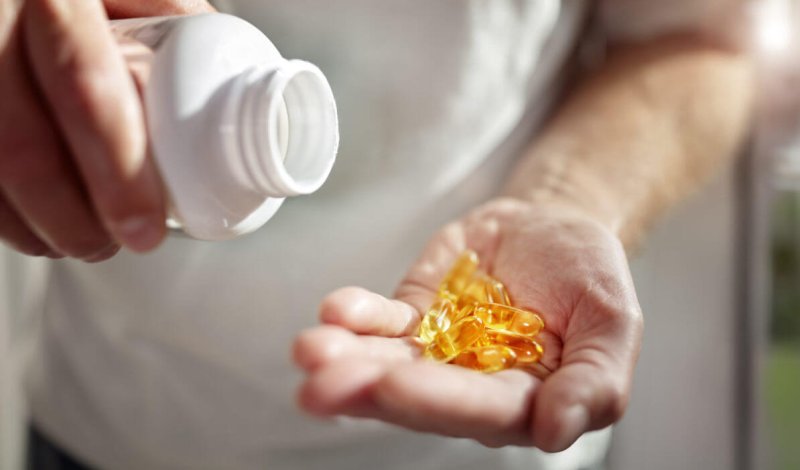
Omega 3s in high doses shown effective in slowing Alzheimer’s in small study

omega fatty acids e
Credit: Healthline
[T]o date the majority of studies evaluating omega-3s for averting or curtailing cognitive decline in human participants have failed to show benefits… Now, [this] team says a small clinical trial provides important clues about this discrepancy, in the first Alzheimer’s prevention study to compare levels of omega-3s in the blood with those in the central nervous system. The findings, “Brain delivery of supplemental docosahexaenoic acid (DHA): A randomized placebo-controlled clinical trial,” published in EBioMedicine, suggest that higher doses of omega-3 supplements may be needed to make a difference, because dramatic increases in blood levels of omega-3s are accompanied by far smaller increases within the brain.

Follow the latest news and policy debates on sustainable agriculture, biomedicine, and other ‘disruptive’ innovations. Subscribe to our newsletter.

The 2-gram dose of DHA in this study far exceeded what has been used in major clinical trials testing the preventive power of omega-3s, which typically administer 1 gram or less daily.

“If you use a lower dose, you can expect a less-than-10-percent increase in omega-3s in the brain, which may not be considered meaningful,” continues [researcher Hussein] Yassine.


The preliminary data from the current study was intriguing enough that the scientists were able to attract funding for a larger trial for which recruitment is underway. Following 320 participants over two years, it will examine whether high doses of omega-3s can slow cognitive decline in carriers of the APOE4 gene.


Read the original post

{{ reviewsTotal }}{{ options.labels.singularReviewCountLabel }}
{{ reviewsTotal }}{{ options.labels.pluralReviewCountLabel }}
{{ options.labels.newReviewButton }}
{{ userData.canReview.message }}

Related Articles

Infographic: Global regulatory and health research agencies on whether glyphosate causes cancer

Infographic: Global regulatory and health research agencies on whether glyphosate causes cancer

Does glyphosate—the world's most heavily-used herbicide—pose serious harm to humans? Is it carcinogenic? Those issues are of both legal and ...

Most Popular

Screenshot 2026-05-26 at 10.15
Viewpoint: Double standard—Why does the wellness industry get a free pass while Big Healthcare is treated as morally suspect?
ChatGPT-Image-Jun-4-2026-01_27_58-PM
Viewpoint—N.A.D.+: Why Gwenyth Paltrow’s heralded anti-aging supplement doesn’t work
ChatGPT-Image-Mar-10-2026-01_39_01-PM
Viewpoint—“Miracle molecule” debunked: Why acemannan supplements don’t work
Screenshot 2025-07-30 at 10.48
Can gene editing eliminate Down syndrome? Scientists have done it in lab-grown cells
tick-DNA
GLP podcast: Spread meat allergy with gene-edited ticks? Bioethicists pose vile ‘thought experiment’
Screenshot-2026-06-03-at-1.24.46-PM
Challenging anti-GMO disinformation: Why genetically-tweaked crops offer bushels of benefits
ChatGPT-Image-Jun-4-2026-11_49_36-AM-2
‘You don’t understand Tolkien’: Skeptic Pope trolls tech giants about the exaggerated, risk-less benefits of AI
downsyndrome_compilation_MID_1
CRISPR breakthrough that can remove the chromosome responsible for Down syndrome raises ethical questions
Screenshot-2026-06-04-at-12.05.08-PM
Cases of brain inflammation surge as U.S. measles pandemic approaches 2000
ChatGPT-Image-May-26-2026-07_51_21-AM-2
Viewpoint: There are more than 1,000 chemicals in a cup of coffee—including many substances that can cause cancer. Why isn’t it banned?

Sorry. No data so far.

glp menu logo outlined

Get news on human & agricultural genetics and biotechnology delivered to your inbox.