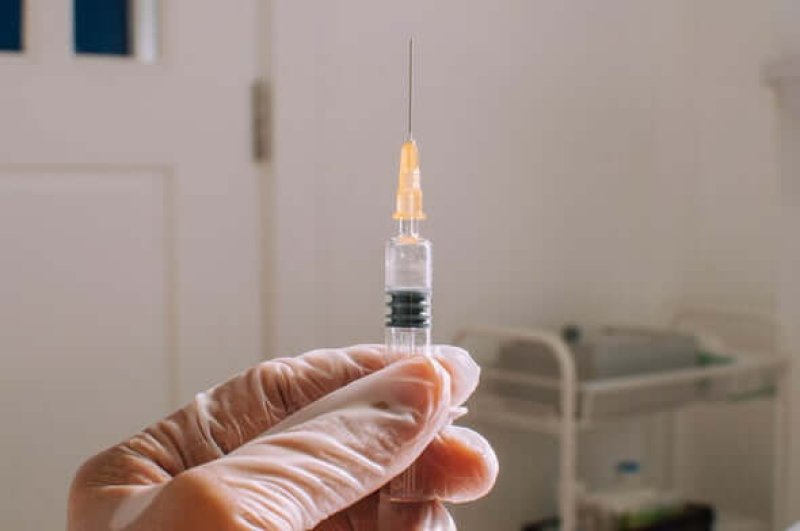
Would you volunteer to get intentionally infected with COVID?

Credit: Getty Images

U.S. government scientists have begun efforts to manufacture a strain of the novel coronavirus that could be used in human challenge trials of vaccines, a controversial type of study in which healthy volunteers would be vaccinated and then intentionally infected with the virus, Reuters has learned.

The work is preliminary and such trials would not replace large-scale, Phase 3 trials such as those now under way in the United States testing experimental COVID-19 vaccines from Moderna Inc and Pfizer Inc.

Small challenge studies would be done in small isolation units to control the virus. Larger challenge studies involving 100 people or so would have to be done in multiple locations, adding months of preparations to coordinate the studies.

Such trials are typically done when a virus is not widely circulating, which is not the case with COVID-19. Many scientists consider human challenge trials of the novel coronavirus unethical because there are no “rescue therapies” for those who fall ill.


Follow the latest news and policy debates on sustainable agriculture, biomedicine, and other ‘disruptive’ innovations. Subscribe to our newsletter.

Earlier this week, Johan Van Hoof, global vaccines chief for J&J, said in an interview with Reuters that the preparations for such trials are under way across the world, and the company is following those preparations.

Van Hoof said such trials would offer a testing option in case the virus stops circulating widely, but the company would only move forward with such trials if the ethical issues are resolved and an effective treatment is available.


Read the original post

{{ reviewsTotal }}{{ options.labels.singularReviewCountLabel }}
{{ reviewsTotal }}{{ options.labels.pluralReviewCountLabel }}
{{ options.labels.newReviewButton }}
{{ userData.canReview.message }}

Related Articles

Infographic: Global regulatory and health research agencies on whether glyphosate causes cancer

Infographic: Global regulatory and health research agencies on whether glyphosate causes cancer

Does glyphosate—the world's most heavily-used herbicide—pose serious harm to humans? Is it carcinogenic? Those issues are of both legal and ...

Most Popular

Screenshot-2026-03-13-at-12.14.04-PM
The FDA wants to make many popular prescription drugs OTC—a great idea. Here’s why it’s unlikely to happen
Screenshot-2026-05-04-at-12.54.32-PM
How Utah became the country’s supplement capital  — and a haven for unregulated, ineffective and fake products
Screenshot-2026-04-20-at-2.26.27-PM
Viewpoint — Food-fear world: The latest activist scientists campaign: Cancer-causing additives
Screenshot-PM-24
Viewpoint: The herbicide glyphosate isn’t perfect. Banning it would be far worse.
images
The never-ending GMO debate: Pros and cons
Screenshot-2026-05-01-at-11.56.24-AM
‘Science moves forward when people are willing to think differently’: Memories of DNA maverick Craig Venter
Screenshot-2026-04-30-at-2.19.37-PM
5 myths about summer dehydration that could damage your health — or even kill you
Screenshot-2026-04-03-at-11.15.51-AM
Paraben panic: How a flawed study, media hype, and chemophobia convinced the public of the danger of one of the safest classes of preservatives
bigstock opioids on chalkboard with rol
GLP podcast: 'Safe injection sites': enabling drug addiction or saving lives?
79d03212-2508-45d0-b427-8e9743ff6432
Viewpoint: The Casey Means hustle—Wellness woo opportunism dressed up as medical wisdom
ChatGPT-Image-May-1-2026-02_20_13-PM
How RFK, Jr.’s false vaccine claims are holding up $600 million to fight diseases in poor countries
glp menu logo outlined

Get news on human & agricultural genetics and biotechnology delivered to your inbox.