Viewpoint: Synthetic pesticides are the solution to East Africa’s famine-causing locust swarms

unnamed file
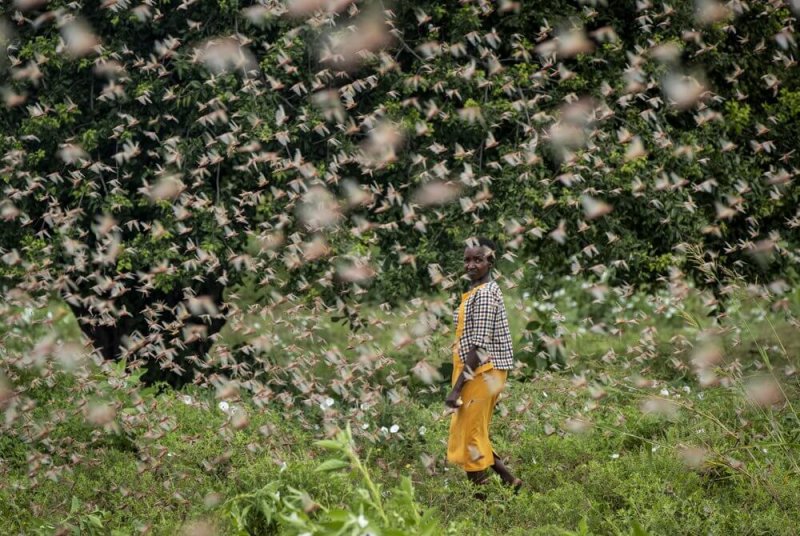
Credit: AP/Ben Curtis

For months, billions of these pests have migrated from remote deserts into populated regions of East Africa and into Asia, decimating crops and producing severe famines. In a single day, these massive locust swarms can consume as much food as 35 million people can eat in a day, resulting in severe food insecurity for more than 20 million people.

Just as with COVID-19 and so many other challenges, manmade chemical technologies are the only hope to mitigate such crises, be they vaccines, disinfectants, pesticides, or whatever.

Unfortunately, many developing nations in Africa struggle under socialist and authoritarian regimes that make wealth generation and technological development nearly impossible. To top that off, left-wing groupsโ€”often funded by wealthy leftists overseasโ€”fight solutions with political pressure and by spreading misinformation related to pesticides and other essential agricultural technologies.

As I haveย discussed before, Greenpeaceย and other groupsย have pushed pesticideย bansย and regulations regardless of theirย human tollย or our ability to use them in relatively safe and targeted ways to protect human health and the environment.

Kenya, fortunately, has been able toย deploy pesticides, reducing ย locust populations and mitigating the terrible impact there. Yet the locusts keep moving, and many other nations donโ€™t have enough resources to access and deploy pesticides ….

Read the original post

{{ reviewsTotal }}{{ options.labels.singularReviewCountLabel }}
{{ reviewsTotal }}{{ options.labels.pluralReviewCountLabel }}
{{ options.labels.newReviewButton }}
{{ userData.canReview.message }}

Related Articles

Infographic: Global regulatory and health research agencies on whether glyphosate causes cancer

Infographic: Global regulatory and health research agencies on whether glyphosate causes cancer

Does glyphosateโ€”the world's most heavily-used herbicideโ€”pose serious harm to humans? Is it carcinogenic? Those issues are of both legal and ...

Most Popular

ChatGPT-Image-May-7-2026-12_16_37-PM-2
Viewpoint: Are cancer rates โ€˜skyrocketingโ€™ as RFK, Jr. and MAHA claims? The evidence says mostly the opposite
Screenshot-2026-04-13-at-1.39.26-PM
Viewpoint: โ€˜Safer for children?โ€™ Stonyfield yogurt under fire for deceptive organic marketing
Screenshot-2026-04-22-at-10.46.29-AM
Viewpoint: How to counter science disinformation? Science journalist offers 12 practical tips
png-pill-omega-Supp-fish-oil
Millions take omega-3 fish oil for brain health. New research suggests it may do the opposite.
Screenshot-2026-04-23-at-11.00.36-AM
Regulators' dilemma: Thalidomide, Metformin, and the cost of getting drug approvals wrong
ChatGPT Image May 14, 2026, 09_51_35 PM
Facebook swamped by hundreds of thousands of scam ads for illegal or dangerous medical products
ChatGPT Image May 12, 2026, 01_21_30 PM
How big health brands are funding online medical misinformationย 
Picture1-1
Cooling the planet with balloons: Could a geoengineering gamble slow global warming?
ChatGPT-Image-May-12-2026-08_39_41-PM
GLP podcast: Big Pharma, Big Ag, Big Foodโ€”health harming industries or life-saving innovators?

Sorry. No data so far.

glp menu logo outlined

Get news on human & agricultural genetics and biotechnology delivered to your inbox.