Explaining the overlap in gender and sexuality in autistic individuals

oakimage articlelarge
Credit: Nito100

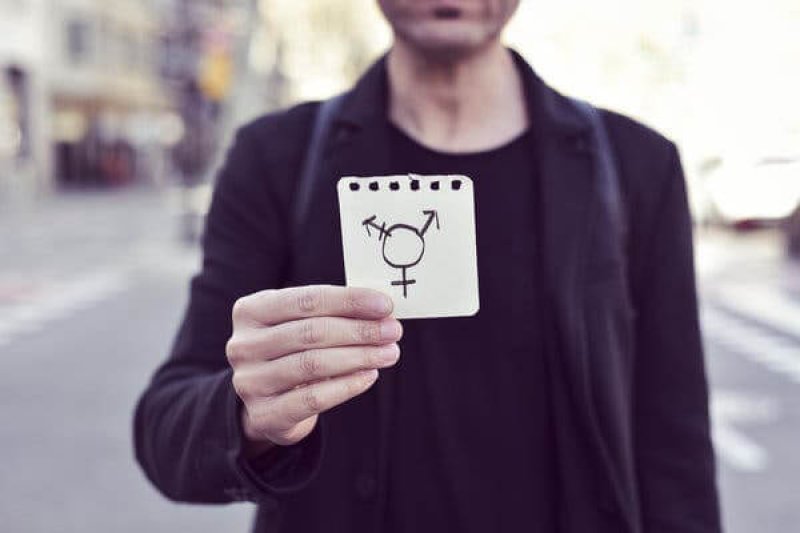
In the 1990s, as growing numbers of children sought care related to their gender identity, clinicians and researchers began to notice a trend: An unexpected number of these children were autistic or had autism traits. The observation has spurred researchers to work to quantify the association.

The field is beginning to get a clear picture of the extent to which the two spectrums overlap: Gender identity and sexuality are more varied among autistic people than in the general population, and autism is more common among people who do not identify as their assigned sex than it is in the population at large — three to six times as common, according to an August study. Researchers are also making gains on how best to support autistic people who identify outside conventional genders.

…

Why is the prevalence of gender diversity higher in autistic people than in the general population? Social experiences are likely a main component, experts say. Compared with neurotypical people, autistic people may be less influenced by social norms and so may present their internal selves more authentically.

Mis- and disinformation are distorting science and public policy. Subscribe to our Daily and Weekly Digests for incisive coverage of ‘disruptive’ innovations in AI, agricultural biotechnology, food, chemicals, nuclear energy, vaccines, and other disruptive innovations.

Biological factors may also play a role. Exposure levels to hormones such as testosterone in the womb may be linked to autism, some research shows; increased prenatal testosterone may also lead to more typically ‘male’ behaviors and to less common sexualities and gender identities, although there is some evidence against that link.


Read the original post

Related Articles

Infographic: Global regulatory and health research agencies on whether glyphosate causes cancer

Infographic: Global regulatory and health research agencies on whether glyphosate causes cancer

Does glyphosate—the world's most heavily-used herbicide—pose serious harm to humans? Is it carcinogenic? Those issues are of both legal and ...

Most Popular

ChatGPT-Image-Mar-10-2026-01_39_01-PM
Viewpoint—“Miracle molecule” debunked: Why acemannan supplements don’t work
Screenshot-2026-10-06-at-2.36.47-PM
Is organic farming really more sustainable? 100 recent studies say ‘no’
Supreme-Court-Amid-Climate-Crisis
Should fossil fuel companies be shielded from lawsuits over climate change damage? The Supreme Court takes up the question
Screenshot 2025-09-17 at 12.41
Jump-starting global warming: Rising temperatures are driving up emissions from wildfires, fermenting wetlands, and melting permafrost
Screenshot-2026-10-02-at-9.11.36-AM
The genetics of personality
Radioactive-Americana-Collage-2
The kooky logic behind the raft of spurious cancer claims from Harvard’s T.H. Chan School of Public Health
Childrens-Health-Defense-Press-Briefing
Court links patient’s death to anti-vaccine doctor promoted by Kennedy’s Children’s Health Defense
Kind-People-Kind-Futures-Hands
Patches for sleep, weight, NAD+, energy, focus, periods. No evidence to support the latest social media wellness scams
Screenshot-2026-09-28-at-11.26.17-AM
Viewpoint: Wellness movement activists reposition nicotine from a killer addictive drug into a cure-all for brain ills
Screenshot-2026-09-22-at-10.54.12-AM
‘They misunderstand science’: Research attempting to tie autism to changes in the gut microbiome comes under fire
strand of dna genetics
No, GMO foods do not “damage genes, natural disposition and hormones, or decrease physical health and intelligence”
ChatGPT-Image-Sep-21-2026-11_21_39-AM
Viewpoint: Food cults: Online ‘nutrition communities’ can pose unique dangers
glp menu logo outlined

Get news on human & agricultural genetics and biotechnology delivered to your inbox.