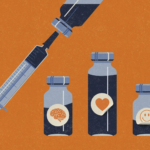
Scourge of pay-for-play predatory journals: American Journal of Biomedical Science & Research publishes Pokémon satire on COVID with Bruce Wayne quote from Gotham Forensics Quarterly

Zubat, the Pokemon referenced in the study. Credit: Nintendo
[My] paper, “Cyllage City COVID-19 outbreak linked to Zubat consumption,” blames a fictional creature for an outbreak in a fictional city, cites fictional references (including one from author Bruce Wayne in Gotham Forensics Quarterly on using bats to fight crime), and is cowritten by fictional authors such as Pokémon’s Nurse Joy and House, MD. Nonetheless, four days after submission [to the American Journal of Biomedical Science & Research], editor Catherine Nichols was “cheerful to inform” me via email that it had “received positive review comments” and was accepted for publication.

Follow the latest news and policy debates on sustainable agriculture, biomedicine, and other ‘disruptive’ innovations. Subscribe to our newsletter.

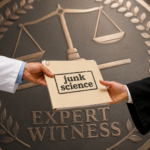
It’s not the only fake paper on Pokémon I’ve had published or accepted for publication, covering creatures from Pikachu to Porygon. Some would argue that editors cannot recognize Pokémon names, but lines in the text such as “a journal publishing this paper does not practice peer review and must therefore be predatory” or “this invited article is in a predatory journal that likely does not practice peer review” would have tipped off anyone who bothered to read the articles. These papers did not slip in under the radar; they were welcomed in blindly.

The journals that accepted my papers are predatory. They appear legitimate, but practice no peer review, no editing, not even a reality check.


Read the original post

{{ reviewsTotal }}{{ options.labels.singularReviewCountLabel }}
{{ reviewsTotal }}{{ options.labels.pluralReviewCountLabel }}
{{ options.labels.newReviewButton }}
{{ userData.canReview.message }}

Related Articles

Infographic: Global regulatory and health research agencies on whether glyphosate causes cancer

Infographic: Global regulatory and health research agencies on whether glyphosate causes cancer

Does glyphosate—the world's most heavily-used herbicide—pose serious harm to humans? Is it carcinogenic? Those issues are of both legal and ...

Most Popular

ChatGPT-Image-Feb-16-2026-01_04_32-PM
Raw milk myth wake-up call
Screenshot-2026-04-13-at-3.54.04-PM
AI disinformation stress test: Challenges and response strategies
Screenshot-2026-04-15-at-1.22.58-PM
Anti-biotechnology activists smear hybrid wheat breakthrough that could surge yields in poorer countries
nutritional-food-heart-thumb-x-
Doctors needs nutrition classes? A physician unmasks another MAHA myth
ChatGPT-Image-Apr-20-2026-11_17_18-AM-2
10,000 scientists gone: Trump’s cuts create an unprecedented brain drain
ChatGPT-Image-Mar-2-2026-03_22_54-PM
Why ‘support supplements’ for GLP-1 users are mostly a waste of money
ChatGPT-Image-Apr-17-2026-03_30_52-PM
Food labels, decoded: What they really mean

Sorry. No data so far.

glp menu logo outlined

Get news on human & agricultural genetics and biotechnology delivered to your inbox.