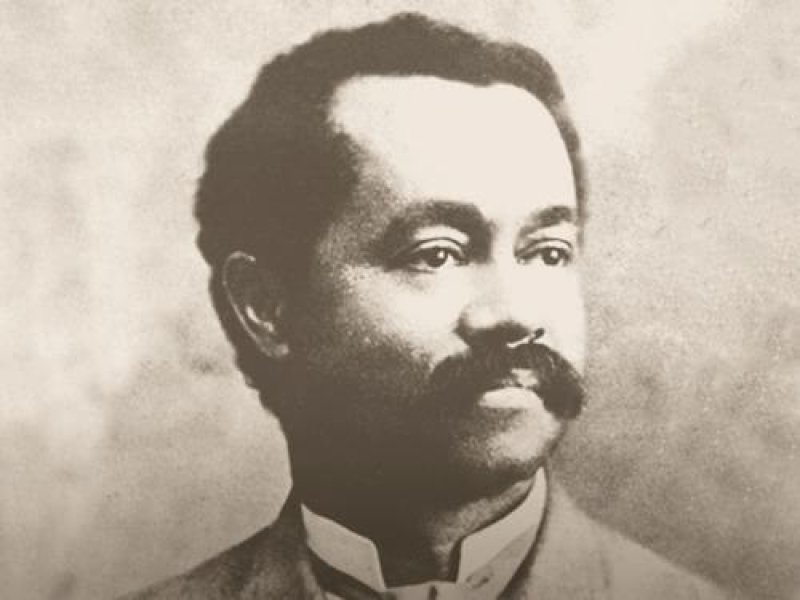
A new Perspectives essay published in Science describes the contributions of biologist Charles H. Turner (1867-1923), an American zoologist whose “early discoveries are forgotten for all the wrong reasons.”
…
Turner’s work went against the prevailing scientific discourse of the time, as he explored and entertained the idea that many animal species were capable of complex behaviors involving intelligence, problem solving, and even conscious awareness. Today, we take many of these ideas for granted, but Turner’s research into these matters never got the recognition it deserved.
“It is deplorable that the now-popular field of ‘animal personality’ has taken so little notice of Turner’s trailblazing approach,” [the authors] write. For Turner’s contemporaries, it was a combination of racism and skepticism of his seemingly outlandish theories.
…

From 1891 to 1917, Turner published over 70 papers (!), including three that appeared in the journal Science. He studied the learning curves of ants, did a comparative anatomy of bird brains (finding similarities with the brains of reptiles), studied honeybee vision, showed that insects (namely silkworm moths) can hear… and documented detouring behavior in wild snakes.
Turner’s story is as intriguing as it is frustrating, a sad reminder of the immense contributions made by people who, over the course of history, have had to endure hardships imposed by systematic discrimination.