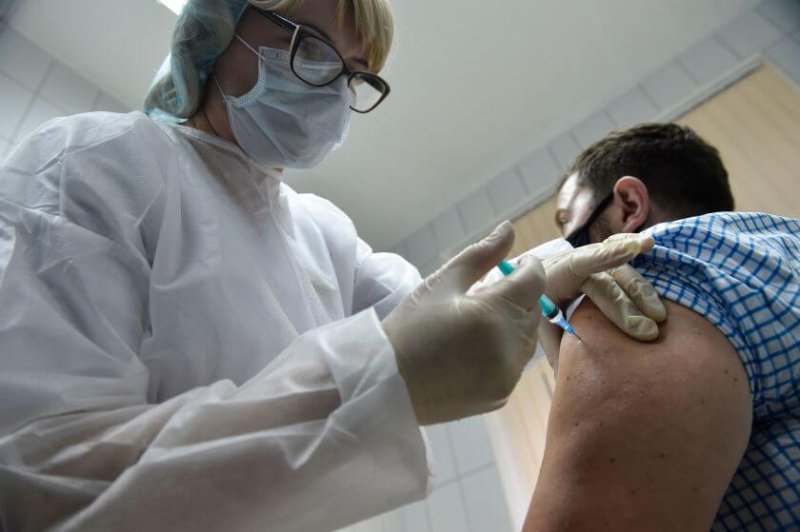
What happens if you don’t get the second shot in a COVID vaccine two-jab regimen?

Credit: Getty Images

Two separate vaccines due to be released from pharmaceutical firm Pfizer and biotech Moderna appear to be more than 90% effective in preventing COVID-19. Critically, however, that’s only after people receive two doses taken 21 days apart for Pfizer’s vaccine and 28 days apart for Moderna’s remedy.

[S]tudies show just over 80% of people who get a two-dose vaccine for shingles, a viral infection that can cause a severe rash, typically return for the second treatment. Factor in the side effects associated with the COVID-19 vaccines, which include headaches, fever and muscle pain, as well as misinformation that is likely to circle around the vaccination, and the percentage of people who don’t return for a second dose for the coronavirus shot could be high.

The consequences of people skipping a second vaccine dose could be significant. Although the coronavirus is unlikely to become vaccine-resistant, that could change if millions of individuals only get one dose of a vaccine that requires two treatments, said biologist David Kennedy, who studies viruses at Penn State University and co-authored a recent paper urging drug makers to look for signs of mutation in the coronavirus.

Follow the latest news and policy debates on sustainable agriculture, biomedicine, and other ‘disruptive’ innovations. Subscribe to our newsletter.

“In imperfect vaccines, that’s where we see resistance pop-up,” Kennedy said. “The more individuals who have one dose of these vaccines, the more concerned I would be.”


Read the original post

{{ reviewsTotal }}{{ options.labels.singularReviewCountLabel }}
{{ reviewsTotal }}{{ options.labels.pluralReviewCountLabel }}
{{ options.labels.newReviewButton }}
{{ userData.canReview.message }}

Related Articles

Infographic: Global regulatory and health research agencies on whether glyphosate causes cancer

Infographic: Global regulatory and health research agencies on whether glyphosate causes cancer

Does glyphosate—the world's most heavily-used herbicide—pose serious harm to humans? Is it carcinogenic? Those issues are of both legal and ...

Most Popular

Screenshot-2026-04-22-at-12.21.32-PM
Viewpoint: Why the retracted Monsanto glyphosate study doesn’t change the science—the world’s most popular herbicide is safe 
ChatGPT-Image-Apr-16-2026-02_56_53-PM
Financial incentives, over diagnosis, and weak oversight: Autism claims are driving up Medicare costs
Picture1
The FDA couldn’t find a vaccine safety crisis, so it buried its own research
global warming
‘Implausible’: Top climate scientists reject worst-case scenario—soaring temperatures and fast-rising sea levels
ChatGPT-Image-May-1-2026-11_42_59-AM-2
Viewpoint: NAD is the wellness grifters latest evidence-lite longevity fad. At least the mice are impressed.

Sorry. No data so far.

glp menu logo outlined

Get news on human & agricultural genetics and biotechnology delivered to your inbox.