10 top dinosaur discoveries of 2020

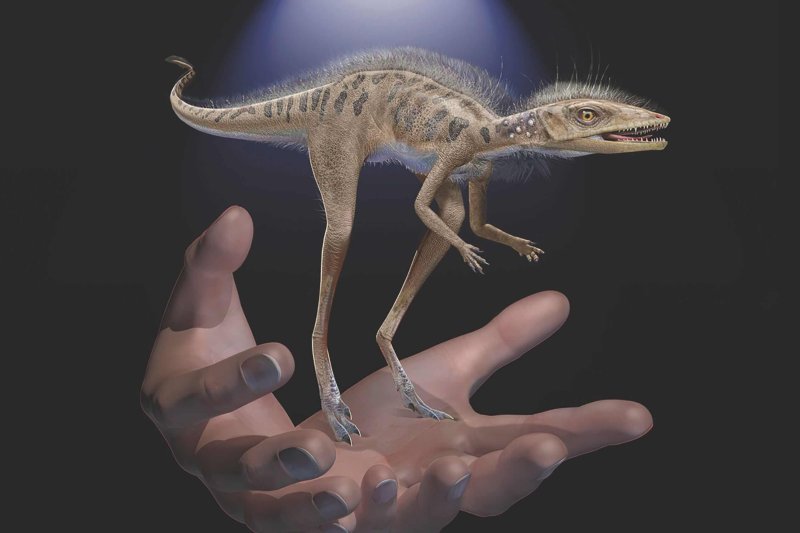
An illustration of Kongonaphon kelly, with human hands for reference. Credit: American Museum of Natural History

As we anticipate what the fossil record might reveal in 2021, here’s a look back at ten dinosaur discoveries that surprised and enthralled dinosaur enthusiasts this year.

Some of the key traits that allowed dinosaurs to be such an evolutionary success story—from fuzzy feathers to warm-running metabolisms—may have first evolved in their tiny ancestors. This year experts reported the discovery of a tiny reptile from the Triassic of Madagascar they named Kongonaphon. While not a dinosaur itself, this animal was close to the ancestors of both dinosaurs and related flying reptiles called pterosaurs.

Dinosaurs are often celebrated for being big, fierce and tough. The truth, however, is that they suffered from many of the same injuries and maladies that humans do. A study published this year in The Lancet reported on the first well-documented case of malignant bone cancer in a non-avian dinosaur.

Follow the latest news and policy debates on sustainable agriculture, biomedicine, and other ‘disruptive’ innovations. Subscribe to our newsletter.

Think of a dinosaur egg and you’re likely to envision something out of Jurassic Park—a hard-shelled capsule the baby dinosaur has to kick or push its way out of. But research published this year in Nature proposes that many dinosaurs laid soft-shelled eggs. Under close examination, the eggs of the dinosaurs Protoceratops and Mussaurus turned out to be more like the leathery eggs of turtles.


Read the original post

{{ reviewsTotal }}{{ options.labels.singularReviewCountLabel }}
{{ reviewsTotal }}{{ options.labels.pluralReviewCountLabel }}
{{ options.labels.newReviewButton }}
{{ userData.canReview.message }}

Related Articles

Infographic: Global regulatory and health research agencies on whether glyphosate causes cancer

Infographic: Global regulatory and health research agencies on whether glyphosate causes cancer

Does glyphosate—the world's most heavily-used herbicide—pose serious harm to humans? Is it carcinogenic? Those issues are of both legal and ...

Most Popular

Picture1-5
Science Disinformation Gap: The transatlantic battle over social media and censorship
ChatGPT Image May 10, 2026, 08_16_59 PM 2
Overmedicalization? RFK Jr.’s antidepressant crackdown raises conflict questions over his fee stake in Wisner Baum, the tort firm built on suing drug makers
Screenshot-2026-05-12-at-9.58.31-PM
'He seems fine': Marty Makary out as FDA commissioner
ChatGPT-Image-May-12-2026-08_39_41-PM
GLP podcast: Big Pharma, Big Ag, Big Food—health harming industries or life-saving innovators?
Picture1-1
Cooling the planet with balloons: Could a geoengineering gamble slow global warming?
Screenshot-2026-04-23-at-11.00.36-AM
Regulators' dilemma: Thalidomide, Metformin, and the cost of getting drug approvals wrong
Screenshot-2026-05-12-at-10.05.11-AM
Pro-vaccine “hero” vs. an anti-vax “villain”: ‘Bad Vaxx’ video stirs MAHA backlash
Screenshot-2026-04-12-135256
Bixonimania: The fake disease scam that AI swallowed whole
Picture1-14
When superbugs threaten vulnerable children: Can AI help solve antibiotic resistance?
Screenshot-2026-05-11-104424
Hantavirus outbreak research: Trump administration shut down study last year on rodent-to-human transmission
glp menu logo outlined

Get news on human & agricultural genetics and biotechnology delivered to your inbox.