First lab-grown chicken nuggets just hit restaurants in Singapore, and more ‘slaughter-free’ meats could arrive in 2021

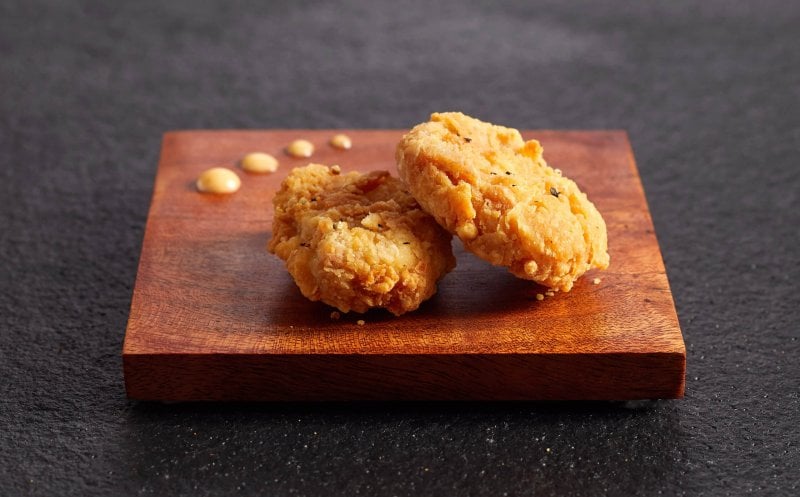
Credit: Hampton Creek

The company behind [an in vitro cultured] poultry product, Eat Just, has since sold more than 200 servings of the poultry to 1880, a club in Singapore, and plans to expand to other restaurants on the island nation this year.

The Singapore Food Agency’s decision marks the world’s first commercial approval of cultured, or cell-based, meat. “It’s really exciting,” says Elizabeth Derbes, associate director of regulatory affairs at the Good Food Institute (GFI).

With this much interest from startups and investors, regulators are bound to see several applications for approval in 2021. Many regions, including the European Union, Canada, Australia, New Zealand and Israel, have novel food regulation already on the books that will likely cover cultured meat, says Derbes.

Since October, Tel Aviv-based SuperMeat has been serving free meals from its factory-side restaurant, The Chicken—a way to get its lab-grown chicken out to the public before an official green light from regulators. In Japan, it may already be possible to sell cultivated meat, depending on how one interprets existing laws, but Japanese authorities are considering developing a regulatory framework.

Follow the latest news and policy debates on sustainable agriculture, biomedicine, and other ‘disruptive’ innovations. Subscribe to our newsletter.

For some people, like [Just Eat CEO Josh] Tetrick, eliminating the slaughter of animals is reason enough to press on. “I don’t think we need to kill another [animal] to have dinner with our friends and family,” he says.


Read the original post

{{ reviewsTotal }}{{ options.labels.singularReviewCountLabel }}
{{ reviewsTotal }}{{ options.labels.pluralReviewCountLabel }}
{{ options.labels.newReviewButton }}
{{ userData.canReview.message }}

Related Articles

Infographic: Global regulatory and health research agencies on whether glyphosate causes cancer

Infographic: Global regulatory and health research agencies on whether glyphosate causes cancer

Does glyphosate—the world's most heavily-used herbicide—pose serious harm to humans? Is it carcinogenic? Those issues are of both legal and ...

Most Popular

ChatGPT-Image-May-1-2026-11_42_59-AM-2
Viewpoint: NAD is the wellness grifters latest evidence-lite longevity fad. At least the mice are impressed.
Screenshot-2026-04-22-at-12.21.32-PM
Viewpoint: Why the retracted Monsanto glyphosate study doesn’t change the science—the world’s most popular herbicide is safe 
Picture1
The FDA couldn’t find a vaccine safety crisis, so it buried its own research
Picture1
The Orange Bowl without oranges: Can CRISPR save Florida citrus?
Screenshot 2026-01-06 at 2.21
‘The dire wolf isn’t back’: A Colossal failure or the cutting-edge of conservation? Maybe both
glp menu logo outlined

Get news on human & agricultural genetics and biotechnology delivered to your inbox.