Podcast: Play in new window | Download
Subscribe: RSS
Join geneticist Kevin Folta and GLP editor Cameron English on this episode of Science Facts and Fallacies as they break down these latest news stories:
We can say a few things with confidence about the approved COVID-19 vaccines. They’re safe and effective in most circumstances, and they were all developed with genetic engineering. But these observations raise an important question. If roughly 70 percent of us are willing to inject ourselves with biotech-based vaccines, how can we possibly be scared of food enhanced with the same technology?
A growing body of evidence indicates that 5G technology doesn’t pose a risk to public health. In fact, too much sunlight likely poses a greater cancer threat than radiation associated with the new wireless technology. Yet post-COVID, concerns about 5G have proliferated, even catching the attention of legislators who have promised to “investigate” the situation. The ultimate problem seems to be that humans just aren’t very good at evaluating the risks we face every day. This deficiency leads us to fear relatively safe technologies while exposing ourselves to potentially much greater harms.
“[W]hat needs to be realized,” says cancer epidemiologist Geoffrey Kabat, “is that there are degrees of risk, and the goal is to ensure that any risk is below the level of what we normally accept in everyday life. We accept some degree of risk every time we get in a car, drink a glass of wine, or take a painkiller or prescription drug.”

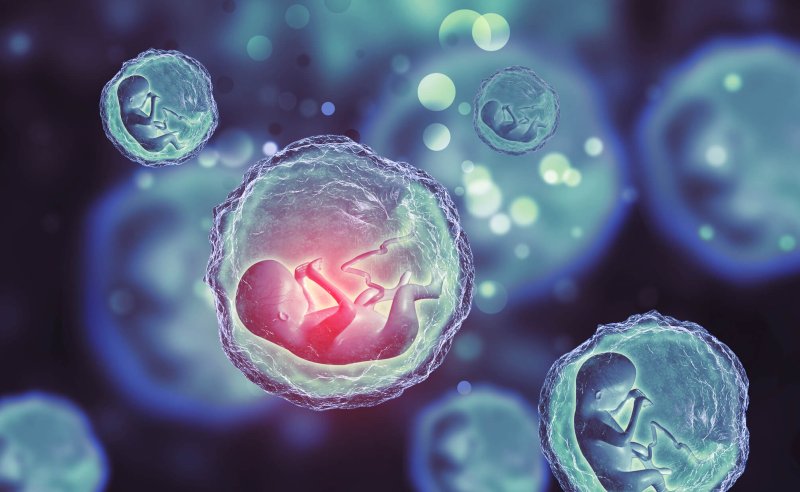
For decades, human embryonic research has been governed by the so-called 14-day rule. This restriction dictates that embryos must be destroyed after two weeks, sending a clear signal to the public that no one is trying to grow humans in a laboratory and giving scientists a clear guideline by which to conduct their research. But that was before massive technological breakthroughs were achieved. It’s now possible to construct artificial embryo models from stem cells, for example, and a growing coalition of experts is calling for the rule to be abolished so they can better study, and perhaps manipulate, human development.
Though potentially very promising from a biomedical perspective, the policy change could spark serious ethical dilemmas down the road. For instance, if we can keep embryos alive in a lab up to when they begin developing a head, beating heart cells, or the beginning of limbs, could it change how we regulate abortion?
Subscribe to the Science Facts and Fallacies Podcast on iTunes and Spotify.
Kevin M. Folta is a professor in the Horticultural Sciences Department at the University of Florida. Follow Professor Folta on Twitter @kevinfolta
Cameron J. English is the GLP’s managing editor. BIO. Follow him on Twitter @camjenglish