Is it safe to use growth hormones to treat unusually short children? Here are the pros and cons

Credit: Gracia Lam
Credit: Gracia Lam

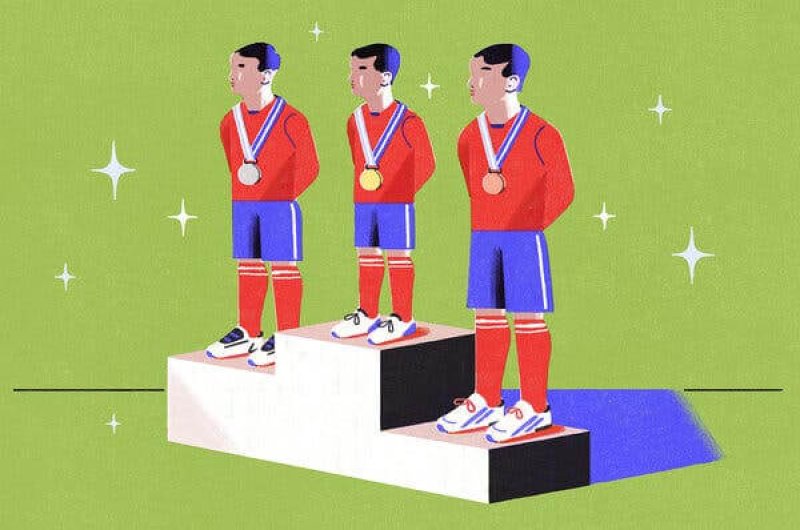
Experts estimate that 60 percent to 80 percent of children who are short for their age do not have a growth hormone deficiency or other medical condition that limits growth. But knowing there’s a therapy available to increase height, some parents seek a medical solution for a perceived problem, even when there is no medical abnormality. They should also know, however, that new research has linked growth hormone treatment to serious adverse health effects years later.

Undue shortness may have many causes in addition to a deficiency of growth hormone, including malnutrition, Crohn’s disease or celiac disease, and potential medical conditions should be ruled out or, if present, treated. But height is most often related to the child’s genetics. 

Follow the latest news and policy debates on sustainable agriculture, biomedicine, and other ‘disruptive’ innovations. Subscribe to our newsletter.

[A JAMA Pediatrics study shows] that among 3,408 patients who were treated with recombinant growth hormone as children and adolescents and followed for up to 25 years, the risk of developing a cardiovascular event like a heart attack or stroke was two-thirds higher for men and twice as high for women than among 50,036 untreated but otherwise similar people.

[Another report shows] that growth hormone promotes biomedical pathways that stimulate the development of atherosclerosis, the basis for most cardiovascular events.

Not yet known is whether other long-term adverse effects will become apparent in the years ahead. 

Read the original post

{{ reviewsTotal }}{{ options.labels.singularReviewCountLabel }}
{{ reviewsTotal }}{{ options.labels.pluralReviewCountLabel }}
{{ options.labels.newReviewButton }}
{{ userData.canReview.message }}

Related Articles

Infographic: Global regulatory and health research agencies on whether glyphosate causes cancer

Infographic: Global regulatory and health research agencies on whether glyphosate causes cancer

Does glyphosate—the world's most heavily-used herbicide—pose serious harm to humans? Is it carcinogenic? Those issues are of both legal and ...

Most Popular

Screenshot-PM-24
Viewpoint: The herbicide glyphosate isn’t perfect. Banning it would be far worse.
79d03212-2508-45d0-b427-8e9743ff6432
Viewpoint: The Casey Means hustle—Wellness woo opportunism dressed up as medical wisdom
d-b
Blocked arteries, kidney stones, nausea, constipation, fatigue: Long list of health problems caused by too much vitamin D 
ChatGPT-Image-Mar-10-2026-01_39_01-PM
Viewpoint—“Miracle molecule” debunked: Why acemannan supplements don’t work
ChatGPT-Image-Apr-30-2026-05_00_48-PM
Wellness grifter physician turned wellness influencer out as surgeon general nominee
Screenshot-2026-04-30-at-11.33.46-AM
Anti-seed-oil to anti-vax pipeline: MAHA movement spreads to teen influencers
lab grown meat research kelly schultz lehighuniversity main
Profiles of the 10 top global cultured meat companies
ChatGPT-Image-Mar-27-2026-11_27_05-AM
The myths of “process”: What science says about the “dangers’ of synthetic products and ultra-processed foods
ChatGPT-Image-Apr-30-2026-12_21_05-PM-2
The tech billionaires behind the immortality movement

Sorry. No data so far.

glp menu logo outlined

Get news on human & agricultural genetics and biotechnology delivered to your inbox.