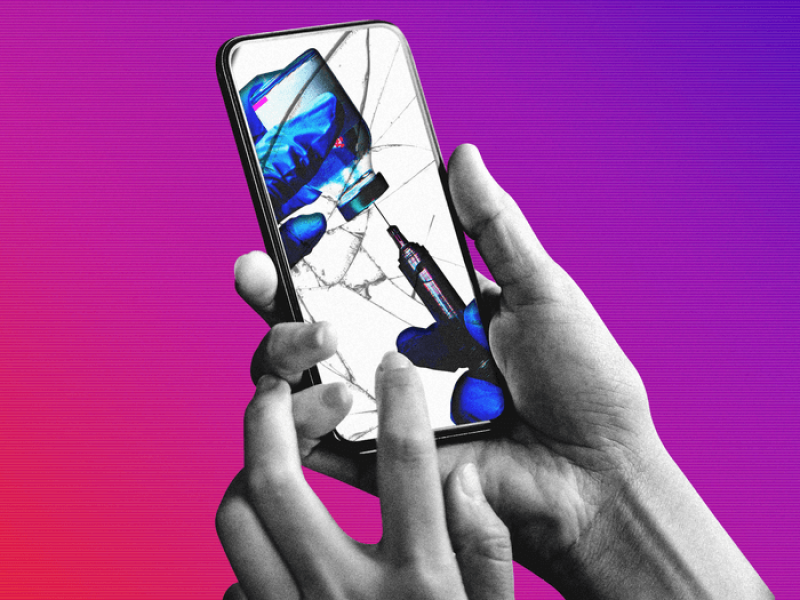
Viewpoint: Facebook and fake news — How the social media giant has emerged as the perfect platform for vaccine misinformation

Credit: Samantha Lee/Business Insider

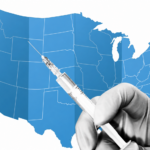
You’d think during the worst pandemic in a century virtually everyone would be desperate to get their hands on a vaccine that promises to help them get their life back. But you’d be underestimating the power of Facebook and Instagram to provide all the necessary tools for anti-vaccine activists and other wellness hucksters to suck in converts. Over the years, these opportunists have cultivated a strategy optimized for the social era. They drip anti-science skepticism into Facebook groups and Instagram stories and posts, where algorithms reward content that elicits strong emotional reactions, further amplifying the misinformation.

These social media influencers, legitimized by their sizable follower counts, had a full year to sow doubt about Covid vaccines before Facebook took significant action. They’ve exploited public confusion and mixed messaging from government and health officials on everything from masks to vaccine side effects and safety. Facebook’s official stance is that it doesn’t ban posts unless they “cause imminent harm”—a threshold the social network claims vaccine misinformation only crossed months into a global inoculation campaign.

Follow the latest news and policy debates on sustainable agriculture, biomedicine, and other ‘disruptive’ innovations. Subscribe to our newsletter.

“All of the truths that we’ve been trying to broadcast for many, many years, there are people hearing it,” said Robert F. Kennedy Jr., son of RFK, and a leading vaccine conspiracy theorist. “Those seeds are landing on very fertile ground.”


Read the original post

{{ reviewsTotal }}{{ options.labels.singularReviewCountLabel }}
{{ reviewsTotal }}{{ options.labels.pluralReviewCountLabel }}
{{ options.labels.newReviewButton }}
{{ userData.canReview.message }}

Related Articles

Infographic: Global regulatory and health research agencies on whether glyphosate causes cancer

Infographic: Global regulatory and health research agencies on whether glyphosate causes cancer

Does glyphosate—the world's most heavily-used herbicide—pose serious harm to humans? Is it carcinogenic? Those issues are of both legal and ...

Most Popular

Picture1
The FDA couldn’t find a vaccine safety crisis, so it buried its own research
Screenshot-2026-04-22-at-12.21.32-PM
Viewpoint: Why the retracted Monsanto glyphosate study doesn’t change the science—the world’s most popular herbicide is safe 
ChatGPT-Image-May-7-2026-12_32_36-PM
Viewpoint: The state of U.S. vaccine policy? Dismal nationally, but some states are stepping up.
Screenshot-2026-05-19-at-11.23.34-AM
West-originated vaccine disinformation sparks murders of health care workers across Africa
_20250221_nib_rfk_trump
Viewpoint: 'Crisis of public trust': Autism support community shocked RFK continues to peddle false claims about the danger of vaccines
placebo
Viewpoint — Alternative medicine and the placebo effect: Selling a reassuring illusion of health
ChatGPT-Image-May-18-2026-01_45_05-PM-2
Newest hantavirus conspiracy: Online disinformation turns outbreak into latest ivermectin grift
Screenshot-2026-04-13-at-1.39.26-PM
Viewpoint: ‘Safer for children?’ Stonyfield yogurt under fire for deceptive organic marketing
ChatGPT-Image-May-18-2026-12_06_18-PM-2
Defying death: The immortality movement goes mainstream
Defense_Secretary_Ash_Carter_tours_the_Microsoft_Cybercrime_Center_in_Seattle_March_3_2016
How criminals are using AI to target social media users and steal their money and confidential data
glp menu logo outlined

Get news on human & agricultural genetics and biotechnology delivered to your inbox.