Viewpoint: 2,000 Nigerian farmers are reaping benefits from genetically modified Bt cowpea. Other African countries could leverage similar biotechnology tools

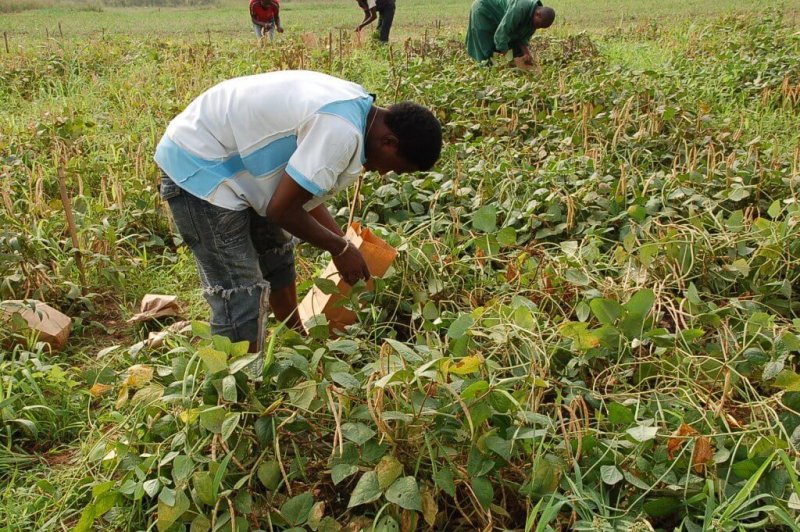
Man harvesting Bt cowpea. Credit: IITA/Flickr

A number of African countries have begun to take advantage of agricultural biotechnology to overcome crop production challenges. The last country reported to have done so is Nigeria where more than 2000 farmers are ready to grow genetically modified cowpea this year.

“The crop, which was developed by Nigerian scientists, has been genetically modified (GM) to resist the destructive pod-borer insect pest. As a result, farmers will be able to significantly reduce pesticide applications and harvest bigger yields. The crop is also expected to support the nation’s economic development and food security while improving farmers’ livelihoods,” [said the Cornell Alliance for Science.]

Last month, Kenyan cotton farmers reported a bountiful first harvest of GM cotton just only four months after the farmers planted the country’s first genetically modified insect-resistant cotton seeds according to the Genetic Literacy Project.

Follow the latest news and policy debates on sustainable agriculture, biomedicine, and other ‘disruptive’ innovations. Subscribe to our newsletter.

[In addition,] a local TV station reported remarkable success by Ugandan scientists under Naro who have come up with GM cassava that is resistant to the destructive Cassava Brown Streak Disease which is wiping out the food crop from Uganda.

However the GM cassava variety and Bt cotton among other Bt crops cannot be grown in Uganda because the government has not yet passed the required Biotechnology and Bio-safety law like the other countries have done.


Read the original post

Related Articles

Infographic: Global regulatory and health research agencies on whether glyphosate causes cancer

Infographic: Global regulatory and health research agencies on whether glyphosate causes cancer

Does glyphosate—the world's most heavily-used herbicide—pose serious harm to humans? Is it carcinogenic? Those issues are of both legal and ...

Most Popular

ChatGPT-Image-Mar-10-2026-01_39_01-PM
Viewpoint—“Miracle molecule” debunked: Why acemannan supplements don’t work
Screenshot-2026-09-16-at-12.07.47-PM
The heated debate over trans athletes in the WNBA
Screenshot-2026-09-10-at-11.50.46-AM
Did COVID vaccines kill 2,500 service members? RFK Jr. hires an investigator who compares vaccine promoters to Nazi doctors
Screenshot-2026-09-11-at-2.26.23-PM
Newly approved GMO chestnut trees planted across from the White House are stirring debate
Screenshot-2026-09-10-at-12.20.19-PM
'Jet fuel didn't melt the steel': 9/11 conspiracy theories debunked
ChatGPT-Image-Sep-9-2026-02_48_24-PM
Viewpoint: Trump-RFK Jr. report on “Gender Ideology & Left-wing Ideology’ targets LGBTQ community—and science
Screenshot-2026-09-15-at-11.04.54-AM
Viewpoint: Childhood deaths in dispute: Why the CDC vs Pennsylvania conflict over measles vaccines matters
ChatGPT-Image-Sep-15-2026-12_15_00-PM
Viewpoint: Women, depression and empathy: Explaining the gender gap in views about child-murderer Lindsay Clancy
ChatGPT-Image-Sep-15-2026-11_36_23-AM
Doomsday cult? Why we should be suspicious of end-of-the-world claims
Screenshot 2026-09-10 at 11.28
A meaty problem: How to make cell-grown protein taste like steak, chicken, and seafood
Screenshot-2026-09-14-at-4.31.14-PM
Viewpoint: What’s the likely impact when the EPA loosens rules limiting methane pollution from oil and gas wells?
ChatGPT-Image-Aug-28-2026-03_33_46-PM
Viewpoint: Bad science—Five bogus Trump administration claims about vaccines and autism
ChatGPT-Image-Sep-15-2026-05_59_18-PM
RFK Jr. spent two years distancing himself from Children’s Health Defense. Now he’s keynoting its anti-vaccine DC conference.
glp menu logo outlined

Get news on human & agricultural genetics and biotechnology delivered to your inbox.