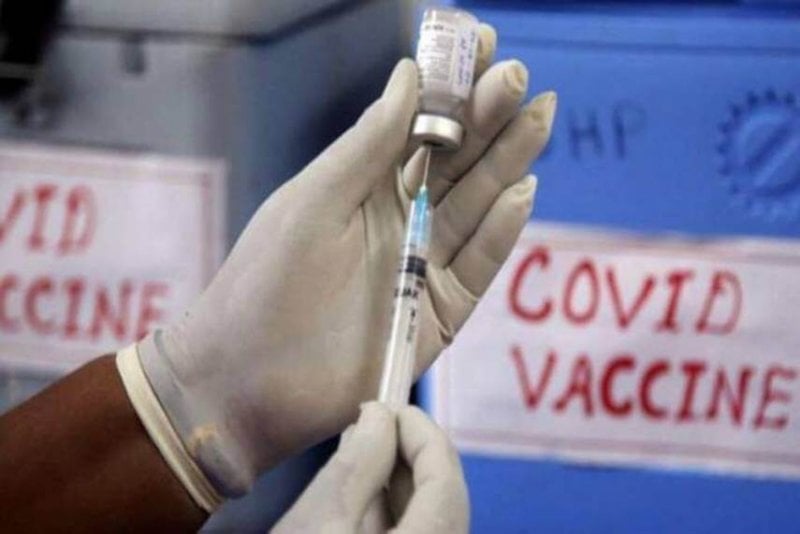
COVID vaccines aren’t generating antibodies for 10 million people in the US alone, including transplant recipients, who take immunosuppressants. What should they do?

Credit: Outlook India

For many people like [Alicia Merritt,] a liver transplant patient who must take immunosuppressants daily to prevent her body from rejecting the organ, the vaccines are proving less effective than for people with normal immune systems, a new study found.

Some are taking a third shot to try to jar their immune systems into generating the antibodies that protect them from the virus. Others are considering modifying their immunosuppressants in consultation with their doctors in hopes another shot will be effective. And a few are jumping through bureaucratic hoops to get access to monoclonal antibodies, which could provide protection until more people in the general population are vaccinated.

In a paper published in the Journal of the American Medical Association, [transplant surgeon Dr. Dorry] Segev’s team found that 46% of transplant recipients had no antibodies after two vaccination shots. Of the 54% who did develop antibodies, their levels were generally lower than people with normal immune systems.

Follow the latest news and policy debates on sustainable agriculture, biomedicine, and other ‘disruptive’ innovations. Subscribe to our newsletter.

Dr. Segev said he is hoping for approval soon from federal authorities to launch a study of the effect of giving transplant patients a booster shot. There is a theoretical risk that the immune activation might cause rejections or other problems with the transplanted organs, he said.


Read the original post

{{ reviewsTotal }}{{ options.labels.singularReviewCountLabel }}
{{ reviewsTotal }}{{ options.labels.pluralReviewCountLabel }}
{{ options.labels.newReviewButton }}
{{ userData.canReview.message }}

Related Articles

Infographic: Global regulatory and health research agencies on whether glyphosate causes cancer

Infographic: Global regulatory and health research agencies on whether glyphosate causes cancer

Does glyphosate—the world's most heavily-used herbicide—pose serious harm to humans? Is it carcinogenic? Those issues are of both legal and ...

Most Popular

Screenshot-2026-04-22-at-12.21.32-PM
Viewpoint: Why the retracted Monsanto glyphosate study doesn’t change the science—the world’s most popular herbicide is safe 
Picture1
The FDA couldn’t find a vaccine safety crisis, so it buried its own research
ChatGPT-Image-Apr-16-2026-02_56_53-PM
Financial incentives, over diagnosis, and weak oversight: Autism claims are driving up Medicare costs
ChatGPT-Image-May-1-2026-11_42_59-AM-2
Viewpoint: NAD is the wellness grifters latest evidence-lite longevity fad. At least the mice are impressed.
global warming
‘Implausible’: Top climate scientists reject worst-case scenario—soaring temperatures and fast-rising sea levels
ChatGPT-Image-May-12-2026-11_27_01-AM-2
AI likely to improve health care, research shows—but not for blacks and ethnic minorities
ChatGPT-Image-May-7-2026-01_23_27-PM-2
Viewpoint: Will AI democratize personalized cancer treatment or fuel medical misinformation?

Sorry. No data so far.

glp menu logo outlined

Get news on human & agricultural genetics and biotechnology delivered to your inbox.