Suffering from a broken heart? It’s shocks the brain, impacts us like a mild heart attack and disproportionately affects women

Credit: Getty Images

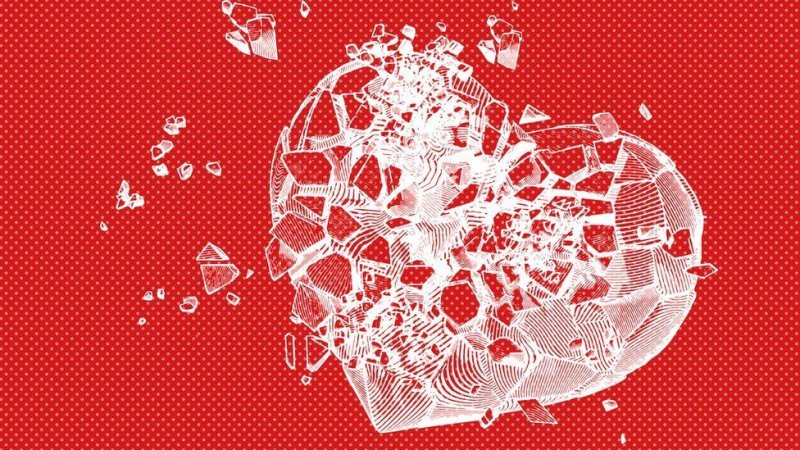
Takotsubo syndrome, also known as broken heart syndrome, is a rare, reversible condition with symptoms mimicking a mild heart attack. A disease that disproportionately affects women, TTS is triggered by stressful events such as bankruptcy, the death of a loved one, or divorce, and results in a weakening of the heart’s left ventricle such that it becomes temporarily misshapen.

Previous work has shown that TTS patients have elevated activity in their amygdala, a brain region involved in stress response. What has never been clear, however, is whether “this activity in the brain happens as a result of the syndrome or whether it began many years before,” says Shady Abohashem, a nuclear cardiologist at Harvard Medical School.

Follow the latest news and policy debates on sustainable agriculture, biomedicine, and other ‘disruptive’ innovations. Subscribe to our newsletter.

Higher amygdala activity [a region of the brain involved in stress] was associated with an increased risk for TTS, and among those with the condition, patients with higher ratios had developed TTS roughly two years earlier following the imaging than those with lower ratios.

“We can now show that this syndrome happens as a result of chronic stress over years that makes you vulnerable to developing the syndrome more easily and sooner than [less stressed] people,” Abohashem says.


Read the original post

{{ reviewsTotal }}{{ options.labels.singularReviewCountLabel }}
{{ reviewsTotal }}{{ options.labels.pluralReviewCountLabel }}
{{ options.labels.noReviewsLabel }}
{{ options.labels.newReviewButton }}
{{ userData.canReview.message }}

Related Articles

Infographic: Global regulatory and health research agencies on whether glyphosate causes cancer

Infographic: Global regulatory and health research agencies on whether glyphosate causes cancer

Does glyphosate—the world's most heavily-used herbicide—pose serious harm to humans? Is it carcinogenic? Those issues are of both legal and ...

Most Popular

Screenshot 2026-07-22 at 1.38
Viewpoint: Are the U.S. and Europe headed towards a repudiation of agricultural biotechnology red tape?
ChatGPT-Image-Mar-10-2026-01_39_01-PM
Viewpoint—“Miracle molecule” debunked: Why acemannan supplements don’t work
Screenshot-2026-07-27-at-3.23.14-PM
Prioritizing AI, robotics, and nuclear energy: Trump administration is guiding research funding away from independent universities to private companies
png-terrace-Farm-asia
Europe’s tentative embrace of agricultural gene editing could revolutionize food production and health in Asia
Screenshot-2026-07-09-at-1.09.25-PM
Anti-vaccine myths rattle health care
ChatGPT-Image-May-26-2026-11_51_01-AM
Viewpoint: RFK, Jr.’s depressingly misguided (and litigator-funded) crusade against antidepressants
ChatGPT-Image-Jul-26-2026-05_35_53-PM
FDA takes up peptide therapies as hype outpaces science
Screenshot 2026-07-28 at 3.22
Hidden hunger: Climate change is speeding up the decline of important nutrients in our food
ChatGPT-Image-Jul-26-2026-05_58_17-PM
Louisiana and Texas bring RFK,Jr.- MAHA-backed restrictions on dyes and other ‘controversial’ ingredients to eight states
Screenshot 2026-07-27 at 6.15
No test, no tennis: Women’s Tennis Association becomes first major female sports league to require genetic sex testing
organic scaled
Facts & Fallacies podcast: Organic food cuts pesticide exposure? A response to Dr. Rhonda Patrick
Screenshot 2026-07-28 at 3.03
What is cyberchondria?
Screenshot 2026-07-28 at 2.04
Viewpoint: How AI supercharges conspiracy theories and oversimplifications to distort online health information
glp menu logo outlined

Get news on human & agricultural genetics and biotechnology delivered to your inbox.