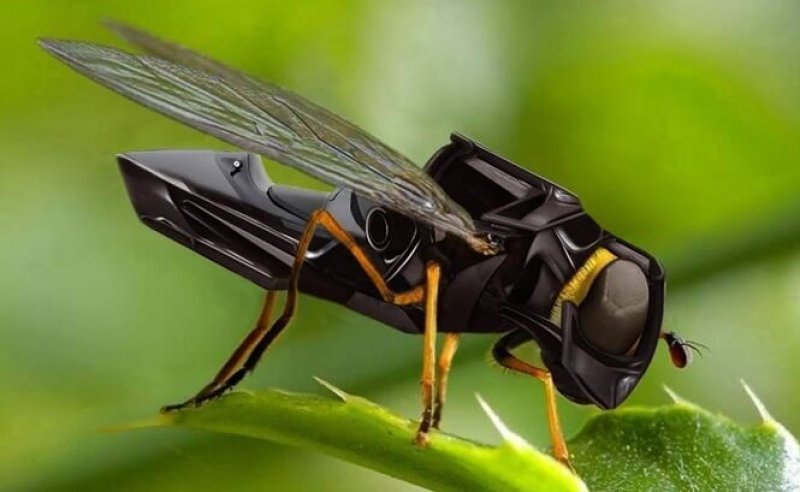

Across the globe, startups are testing robots to pollinate everything from blueberries to almonds. And in Australia, one company is so confident in robots’ abilities that it will soon deploy a fleet of them to pollinate tomatoes in its greenhouses.
Pollination robots could give future farmers a significant advantage, increasing yield compared with using insects, such as bees, and the human workers who are sometimes needed to help with certain crops. Scientists are also concerned that insect populations are declining because of habitat loss, pesticide use, climate change and other factors, which would make pollination robots even more important.
The robotic revolution is being sped up by so-called deep learning—a method that trains artificial neural networks that mimic the human brain. Advances in deep learning over the past decade have vastly improved AI’s ability to recognize images. That makes it easier for startups to develop robots that can quickly and accurately identify flowers for pollination.




“To see it actually happening, it was quite amazing,” says [Costa Group Holdings’] Tal Kanety… “I thought it would work, I just didn’t think it would work that well on the first go.”