Viewpoint: Investing in agricultural technology is key to addressing climate change

Credit: Getty Images

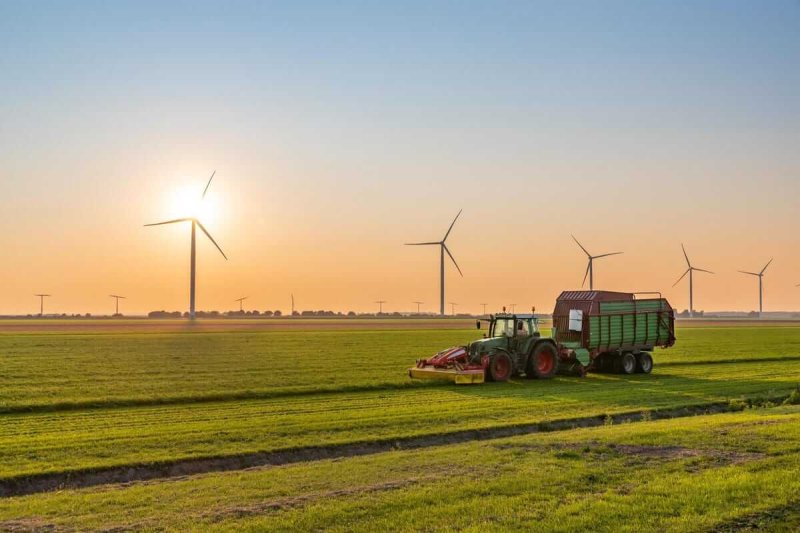
Agricultural research and development may not be as flashy as other climate policy proposals, such as the establishment of a clean electricity standard or the Civilian Climate Corps, but it has a proven environmental track record, clear economic co-benefits and wide appeal. Agricultural innovations have shrunk agriculture’s environmental footprint by enabling farmers to produce more food on less land, with fewer inputs and greenhouse gas emissions. Since the 1960s, innovation-driven productivity advances have enabled farmers to reduce land use by 9 percent and cut the carbon footprint per pound of milk and chicken by over 50 percent

Unfortunately for the climate (and for agricultural producers, who benefit from productivity-enhancing and input-saving innovations), total public spending on agricultural research and development has stagnated, and much of our nation’s agricultural research infrastructure is in disrepair. 

Follow the latest news and policy debates on sustainable agriculture, biomedicine, and other ‘disruptive’ innovations. Subscribe to our newsletter.

Given the magnitude of the climate crisis, Congress should invest in a wide range of mitigation strategies, including embracing and expanding public agricultural research — which has reliably delivered environmental benefits for decades — and the infrastructure agricultural researchers depend on.


Read the original post

{{ reviewsTotal }}{{ options.labels.singularReviewCountLabel }}
{{ reviewsTotal }}{{ options.labels.pluralReviewCountLabel }}
{{ options.labels.newReviewButton }}
{{ userData.canReview.message }}

Related Articles

Infographic: Global regulatory and health research agencies on whether glyphosate causes cancer

Infographic: Global regulatory and health research agencies on whether glyphosate causes cancer

Does glyphosate—the world's most heavily-used herbicide—pose serious harm to humans? Is it carcinogenic? Those issues are of both legal and ...

Most Popular

Screenshot 2025-07-30 at 10.48
Can gene editing eliminate Down syndrome? Scientists have done it in lab-grown cells
ChatGPT Image May 26, 2026, 08_42_17 AM (1)
Viewpoint: Greenpeace and poison: How environmental advocacy groups rely on compliant (and often ignorant) journalists to spread disinformation and spark litigation
Screenshot-2026-05-28-at-1.36.28-PM
Viewpoint: Can mRNA research survive the Trump administration?
ChatGPT Image May 26, 2026, 08_21_36 AM
Limiting gender affirming interventions: Trump administration targets Texas even though it already bans youth access
Screenshot-2026-06-03-at-1.24.46-PM
Challenging anti-GMO disinformation: Why genetically-tweaked crops offer bushels of benefits
ChatGPT-Image-May-26-2026-07_51_21-AM-2
Viewpoint: There are more than 1,000 chemicals in a cup of coffee—including many substances that can cause cancer. Why isn’t it banned?
ChatGPT-Image-Jun-2-2026-03_04_17-PM
Viewpoint: Why the hyper-promoted doping ‘enhanced games’ pseudo Olympics flopped
ChatGPT-Image-Jun-2-2026-11_39_58-AM
Viewpoint: Who is RFK, Jr.’s newly-appointed CDC senior counselor, Sara Brenner — Vaccine skeptic and self-proclaimed “MAHA mom”
tick-DNA
GLP podcast: Spread meat allergy with gene-edited ticks? Bioethicists pose vile ‘thought experiment’
ChatGPT-Image-Jun-3-2026-12_33_40-PM-2-1
Viewpoint—The end of ‘ivory tower science’: What does that even mean, and what comes next
ChatGPT-Image-Mar-10-2026-01_39_01-PM
Viewpoint—“Miracle molecule” debunked: Why acemannan supplements don’t work
Picture1
Sounds we can’t hear — the hidden planetary signals behind science, fear, and misinformation
Screenshot 2025-11-18 at 3.45
Viewpoint—GMOs and sustainability: Why buying organic foods is the least environmentally-sensitive food choice—without offering any health benefits
glp menu logo outlined

Get news on human & agricultural genetics and biotechnology delivered to your inbox.