‘She is a force of nature’: Meet the professor trying to make bone marrow transplants safer

Credit: Mallory Heyer/Neo Life

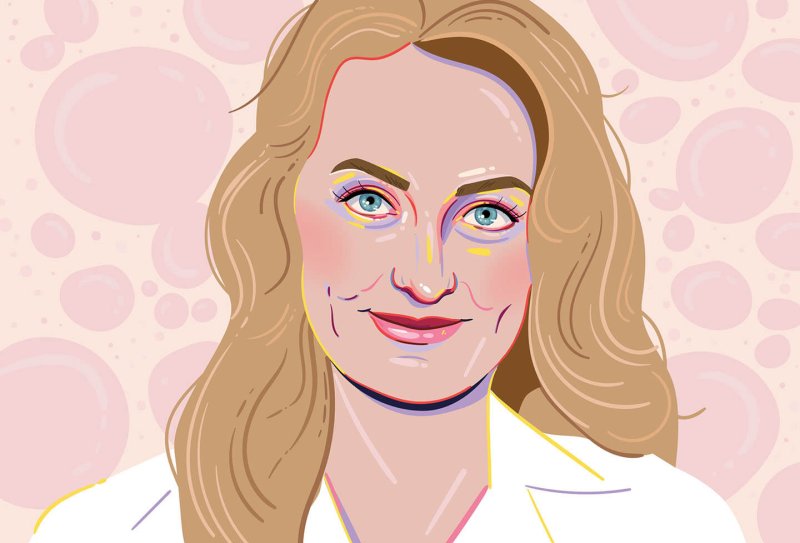
[Agnieszka Czechowicz] is now an assistant professor of pediatrics at the Stanford University School of Medicine. In her lab research, her medical practice, and her work as an entrepreneur, she focuses on people who suffer from severe diseases like bone marrow failure or acute myeloid leukemia, who can’t produce  blood or immune cells the way they are supposed to. The treatment approach she’s been working on for most of her career could represent a new way to help them.

Could you erase the defective cells using an antibody, instead of chemo? An antibody might be able to target a patient’s stem cells more specifically, with less toxicity for the whole body.

They found the antibody they were looking for. It attaches to a receptor called CD117 on the surface of blood-forming stem cells. Normally, a different molecule binds to this receptor and tells the stem cells to stay alive, [pathologist and developmental biologist Irving] Weissman explains. But when the antibody binds to the receptor instead, blocking the “stay alive!” signal, the stem cells die.

Follow the latest news and policy debates on sustainable agriculture, biomedicine, and other ‘disruptive’ innovations. Subscribe to our newsletter.

Earlier this year, Czechowicz and colleagues got FDA approval to begin a clinical trial of the anti-CD117 antibody in people with Fanconi anemia.

This is an excerpt. Read the original post here.

{{ reviewsTotal }}{{ options.labels.singularReviewCountLabel }}
{{ reviewsTotal }}{{ options.labels.pluralReviewCountLabel }}
{{ options.labels.newReviewButton }}
{{ userData.canReview.message }}

Related Articles

Infographic: Global regulatory and health research agencies on whether glyphosate causes cancer

Infographic: Global regulatory and health research agencies on whether glyphosate causes cancer

Does glyphosate—the world's most heavily-used herbicide—pose serious harm to humans? Is it carcinogenic? Those issues are of both legal and ...

Most Popular

ChatGPT-Image-Jun-30-2026-01_09_47-PM
Viewpoint: As MAHA blows up over Supreme Court ruling limiting glyphosate litigation, Trump offers toothless plan to reduce pesticides in food
ChatGPT-Image-Jun-23-2026-12_19_35-PM
Ideological red flag: Led by anti-vax doctor, Tennessee is now the U.S. epicenter selling potent ivermectin shown worthless to prevent or treat Covid
Screenshot-2026-06-30-at-2.06.25-PM
PEW study: The sick state of American health information
ChatGPT-Image-Jun-25-2026-12_23_17-PM
No, Bill Gates did not secretly engineer ticks to promote veganism
ChatGPT-Image-Mar-4-2026-09_39_03-AM
Transgender female athletes and Title IX: Separating ‘policy’ from ‘legality’
Screenshot-2026-06-30-at-3.08.03-PM
From infrared sauna blankets to collagen gummies, here’s the top 10 social-media-promoted wellness shams
Screenshot-2026-06-17-at-12.31.01-PM
Viewpoint: The dangerous influence of ‘woke’ post-modernism in science
marijuana-pot-in-hand-nveri-st-xpm-t-abq-fkifeos-s-rws-cmpx-
Facts & Fallacies podcast: Legalized weed drives drug addiction, psychosis?
photodune farming tractor s
Viewpoint: Glyphosate may be hazardous, but it is not dangerous as used by farmers. Critics of the Supreme Court’s Roundup ruling garble hazard with risk
ChatGPT-Image-Mar-10-2026-01_39_01-PM
Viewpoint—“Miracle molecule” debunked: Why acemannan supplements don’t work
Screenshot-2026-06-30-at-10.43.50-AM
Viewpoint: Why are there no approved bioengineered insect-protected (Bt) apples?
ChatGPT-Image-Jun-30-2026-02_48_10-PM
Independent news review site launches free credibility and fact-vetted aggregation chatbot
ChatGPT-Image-Jun-25-2026-01_14_50-PM
Viewpoint: Disinformation grift: The wellness industry is a lucrative and mostly worthless marketplace of ‘balms, brews, and baloney’
glp menu logo outlined

Get news on human & agricultural genetics and biotechnology delivered to your inbox.