‘COVID vaccines are wondrous weapons, but they aren’t impenetrable armor’

Credit: Forbes
Credit: Forbes

When Covid-19 vaccines were reported last fall to be roughly 95% effective at preventing symptomatic Covid-19 infections, the world rejoiced — and even veteran scientists were blown away…. Those made to fend off viruses like SARS-CoV-2 — viruses that invade the nose and throat, like flu — typically aren’t at the high end of the efficacy scale.

That was the good news. Now, however, our soaring expectations for Covid-19 vaccines are in the process of sinking back to earth.

With the more transmissible Delta variant of SARS-2 circulating, it is increasingly apparent that, even if mRNA vaccines like Pfizer’s and Moderna’s offer impressive protection against severe Covid infections, they aren’t going to prevent infections in the upper respiratory tract of some proportion of vaccinated people.

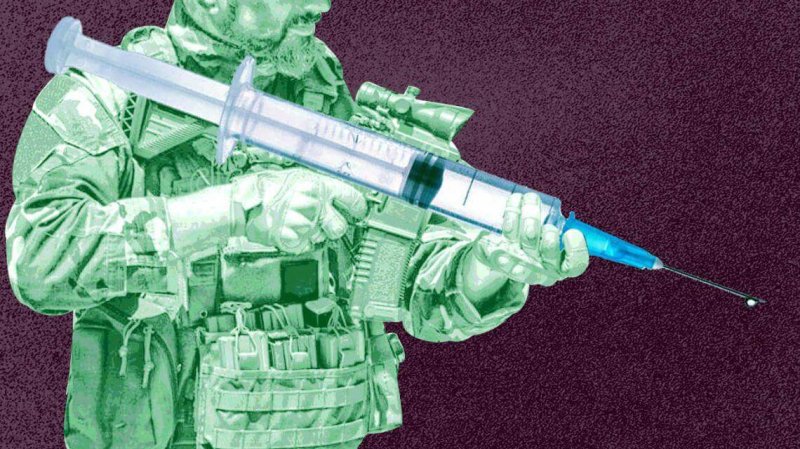
The vaccines are wondrous weapons, but they aren’t impenetrable armor.

Follow the latest news and policy debates on sustainable agriculture, biomedicine, and other ‘disruptive’ innovations. Subscribe to our newsletter.

Anna Durbin believes the high bar set by the results of the Phase 3 clinical trials of the Pfizer and Moderna vaccines is now negatively impacting U.S. vaccination policy.

“I think these vaccines are a victim of their own success,” said Durbin, a vaccine researcher in Johns Hopkins Bloomberg School of Public Health. “Now we expect perfection. And if it’s less than perfect, we want a booster.”


This is an excerpt. Read the original post here. 

{{ reviewsTotal }}{{ options.labels.singularReviewCountLabel }}
{{ reviewsTotal }}{{ options.labels.pluralReviewCountLabel }}
{{ options.labels.newReviewButton }}
{{ userData.canReview.message }}

Related Articles

Infographic: Global regulatory and health research agencies on whether glyphosate causes cancer

Infographic: Global regulatory and health research agencies on whether glyphosate causes cancer

Does glyphosate—the world's most heavily-used herbicide—pose serious harm to humans? Is it carcinogenic? Those issues are of both legal and ...

Most Popular

Screenshot-2026-04-22-at-12.21.32-PM
Viewpoint: Why the retracted Monsanto glyphosate study doesn’t change the science—the world’s most popular herbicide is safe 
ChatGPT-Image-Apr-16-2026-02_56_53-PM
Financial incentives, over diagnosis, and weak oversight: Autism claims are driving up Medicare costs
Picture1
The FDA couldn’t find a vaccine safety crisis, so it buried its own research
ChatGPT-Image-May-1-2026-11_42_59-AM-2
Viewpoint: NAD is the wellness grifters latest evidence-lite longevity fad. At least the mice are impressed.
global warming
‘Implausible’: Top climate scientists reject worst-case scenario—soaring temperatures and fast-rising sea levels
Screenshot-2026-05-21-at-12.15.17-PM
UK gene-editing milestone: Livestock barley that increases ruminant value and reduces methane emissions is first-approved CRISPR crop
Screenshot-2026-05-21-at-3.15.53-PM
Chiropractors may no longer be modern-day snake oil salesmen, but the benefits of their therapy are limited–at best

Sorry. No data so far.

glp menu logo outlined

Get news on human & agricultural genetics and biotechnology delivered to your inbox.