Gene editing techniques like CRISPR could revolutionize the poultry industry in the future, improving yield, resistance to disease and leading to better welfare.
“Gene editing itself has become a topic of much research and great interest in the academic and in the commercial work,” Mark Fife, Ph.D., head of biotechnology [at] Aviagen, said.
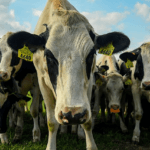
In livestock, much of the discussion about gene editing currently applies to disease resistance, yield and quality, welfare and sex determination. For example, in cows, CRISPR has been used to create polled cattle and heat tolerant cattle, which can be beneficial to both welfare and management.
…

Gene editing currently faces regulatory hurdles throughout much of the world. In the U.S., gene editing is highly regulated by the Food and Drug Administration (FDA). Meanwhile, the process is completely prohibited in Europe, although a post-Brexit UK is currently looking at deregulating gene edited crops.
“Although everyone is incredibly excited by this at the moment, the gene editing peak is probably at a max and we are talking about food security, sustainability and animal welfare. But often what happens with technology is we hit this trough of disillusionment,” Fife said.