Psychedelics as therapeutics? Here is the rarely discussed downside

Credit: Vox
Credit: Vox

Psychedelics are generally safe drugs: The “classic” psychedelics, like psilocybin or LSD, have been shown to be low risk for addiction, and despite there being some physical concerns, like effects on the heart that should be screened for, users are typically not at risk for serious reactions like overdoses. 

But rather than taking that knowledge and promising that there will be no negative outcomes, no ethical transgressions, adverse events, or disappointments, it’s time to start accepting that those things will certainly occur, and setting up frameworks to deal with them. These would include pathways for accountability and reporting harms, as well as dedicating research to study negative outcomes, and how best to help people who experience them.

Mis- and disinformation are distorting science and public policy. Subscribe to our Daily and Weekly Digests for incisive coverage of ‘disruptive’ innovations in AI, agricultural biotechnology, food, chemicals, nuclear energy, vaccines, and other disruptive innovations.

“Now is not the time to pretend that these things don’t happen,” said Max Wolff, the head of psychotherapy training and research at the MIND Foundation, a European psychedelics non-profit.


“Not talking about possible negative effects isn’t helping anyone. If we want to make these treatments available, if we want them to have a positive impact overall on individuals and society, we have to acknowledge that sometimes people get worse.”


This is an excerpt. Read the original post here. 

Related Articles

Infographic: Global regulatory and health research agencies on whether glyphosate causes cancer

Infographic: Global regulatory and health research agencies on whether glyphosate causes cancer

Does glyphosate—the world's most heavily-used herbicide—pose serious harm to humans? Is it carcinogenic? Those issues are of both legal and ...

Most Popular

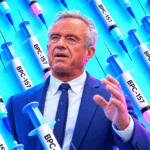
Neon Syringe Portrait with BPC-157
Viewpoint: Peptides and medical freedom: The MAHA obsession that can damage your health
Glossy Plastic Bag of Tokens and Labels
Viewpoint: How CNN got played by environmental activists pushing a plastics scare and litigation agenda
ChatGPT-Image-Mar-10-2026-01_39_01-PM
Viewpoint—“Miracle molecule” debunked: Why acemannan supplements don’t work
Screenshot-2026-10-21-at-11.30.51-AM
Viewpoint: Yes, our food system stinks, but the attack of ultra-processed foods is often misplaced
Screenshot 2026-07-29 at 10.40
The COVID vaccine turbo cancer scare is back. Science still proves it’s wrong.
Screenshot-2026-10-30-at-11.36.40-AM
An Earth-saving benefit of global warming?: How fossil fuel-burning humans stopped the looming Ice Age
Screenshot-2026-10-30-at-11.20.30-AM
‘Silent killer’: Hepatitis B could surge under Trump–RFK Jr. rollback of newborn vaccine recommendations
Screenshot 2026-10-27 at 10.32
“Do your own research”: What Medicare’s annual open enrollment circus teaches us about the seductive trap of DIY health and science
Robots in a Futuristic Conference Meeting
Helpful until we’re helpless? Researchers warn AI is gradually eroding human control
Screenshot 2026-10-20 at 1.37
Race against food rot: How AI and gene editing could slash fruit and vegetable waste
Screenshot-2026-10-29-at-10.31.49-AM
Solar engineering to cool the planet might well work. Could it touch off a geoengineering arms race?
glp menu logo outlined

Get news on human & agricultural genetics and biotechnology delivered to your inbox.