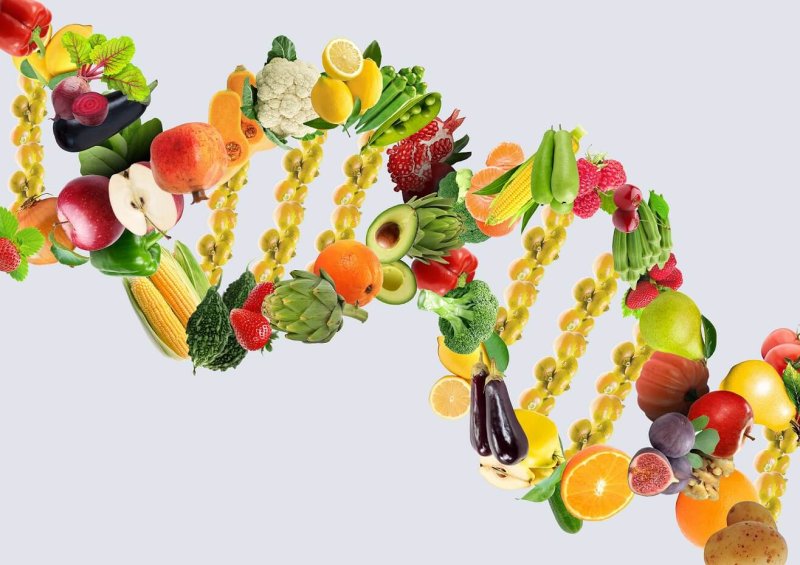
Depending on the type of nutritional information, the genetic controls activated and the cell that receives them, the messages in food can influence wellness, disease risk and even life span. But it’s important to note that to date, most of these studies have been conducted in animal models, like bees.
Added ingredients in food can also alter the flow of genetic information inside cells. Breads and cereals are enriched with folate to prevent birth defects caused by deficiencies of this nutrient. But some scientists hypothesize that high levels of folate in the absence of other naturally occurring micronutrients such as vitamin B-12 could contribute to the higher incidence of colon cancer in Western countries, possibly by affecting the genetic pathways that control growth.
…

Scientists have only recently begun decoding these genetic food messages and their role in health and disease. We researchers still don’t know precisely how nutrients act on genetic switches, what their rules of communication are and how the diets of past generations influence their progeny.