Why COVID ‘herd immunity’ never reached ‘sterilization immunity’ — and never will

Credit: Johns Hopkins University

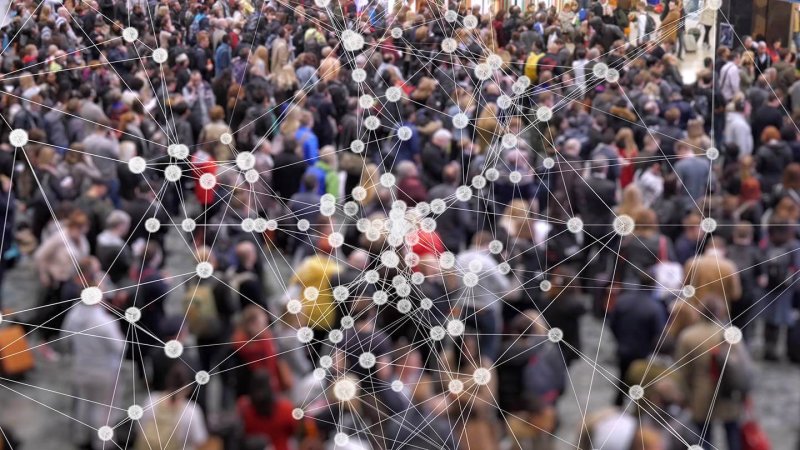
Herd immunity was always our greatest asset for protecting vulnerable people, but public health failed to use it wisely.

In March 2020, not long after Covid-19 was declared a global public health emergency, prominent experts predicted that the pandemic would eventually end via herd immunity. Infectious disease epidemiologist Michael Osterholm, who advised President Biden, opined in the Washington Post that even without a vaccine, SARS-CoV-2, the virus that causes Covid-19, would eventually “burn itself out as the spread of infection comes to confer a form of herd immunity.”

Mis- and disinformation are distorting science and public policy. Subscribe to our Daily and Weekly Digests for incisive coverage of ‘disruptive’ innovations in AI, agricultural biotechnology, food, chemicals, nuclear energy, vaccines, and other disruptive innovations.

The idea that vaccinating a certain percentage of the population would stop transmission of SARS-CoV-2 was a seductive but unhelpful description of herd immunity. This understanding comes from the so-called sterilizing immunity provided by infection or vaccination against diseases like measles.

Sterilizing immunity means an individual can no longer be infected or infect others. Reach a certain percentage or “threshold” of this immunity in a population (around 95% for measles) and transmission comes to halt and the virus is eliminated.


This, however, is neither the exclusive nor even the most common understanding of herd immunity — and it is misleading for Covid-19. SARS-CoV-2 is not like the measles virus, but more like influenza, a virus that does not produce sterilizing immunity, returning every season like clockwork.


This is an excerpt. Read the original post here. 

Related Articles

Infographic: Global regulatory and health research agencies on whether glyphosate causes cancer

Infographic: Global regulatory and health research agencies on whether glyphosate causes cancer

Does glyphosate—the world's most heavily-used herbicide—pose serious harm to humans? Is it carcinogenic? Those issues are of both legal and ...

Most Popular

ChatGPT-Image-Mar-10-2026-01_39_01-PM
Viewpoint—“Miracle molecule” debunked: Why acemannan supplements don’t work
Screenshot-2026-09-17-at-1.07.08-PM
'We are dangerously addicted to antidepressants': Should we heed RFK Jr.’s sobering warning?
ChatGPT-Image-Sep-2-2026-02_03_32-PM
How much of a problem is AI’s water use?
ChatGPT-Image-Sep-22-2026-10_32_46-AM
There has been a slew of recent reports of food recalls and foodborne outbreaks. Do we face an escalating problem?
ChatGPT-Image-Aug-26-2026-12_46_16-PM
Viewpoint: The fake controversy over whether combining childhood vaccines is dangerous— a debate science resolved 25 years ago
Screenshot-2026-09-03-at-10.51.20-AM
Viewpoint: Why do online health lies outlive the evidence that debunks them? Read "Everyone Else Is Lying to You"
ChatGPT-Image-Sep-23-2026-01_52_03-PM
Viewpoint: 4 very real AI doomsday scenarios
Screenshot-2026-09-23-at-11.55.01-AM
How can we know if social media bans actually help teens?
Screenshot-2026-09-22-at-11.40.28-AM
After Idaho criminalized abortion providers in 2022, one-third of obstetricians fled. Health care advocates are making rural health the case for repealing the ban
Screenshot-2026-09-23-at-3.15.09-PM
Anti-GMO activists in Pakistan rev up their campaign of dire warnings
Screenshot-2026-09-17-at-12.00.30-PM
Investigative group ProPublica finds links between ectopic pregnancy deaths and abortion bans
ChatGPT-Image-Sep-23-2026-11_47_32-AM
Facing pressure from Trump administration, fewer hospitals offer medical treatment for transgender minors
glp menu logo outlined

Get news on human & agricultural genetics and biotechnology delivered to your inbox.