Farmer’s perspective: In defense of judicious use of agricultural pesticides

Credit: Food Insight

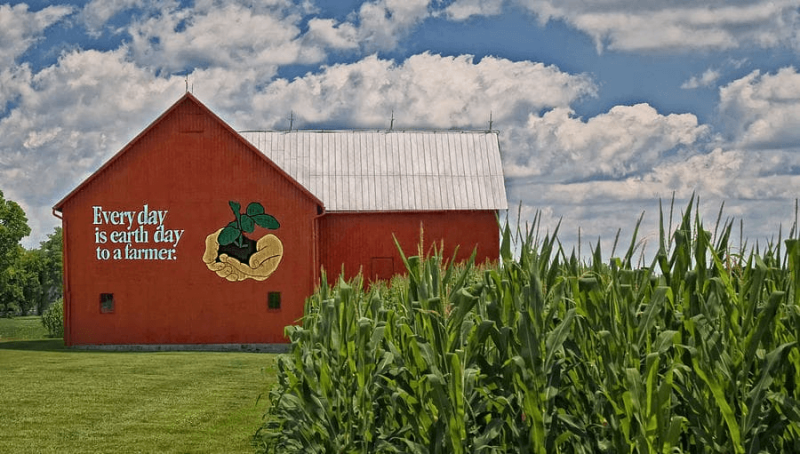
I’m no stranger to the controversy that surrounds pesticide use. However, I’d love a chance to explain the benefits I see and my thoughts on the negative perceptions.

Did you know it takes an average of 11 years of intense research and data-sharing to secure approval for commercial pesticide use, and only one in 10,000 discoveries will make its way from the lab to the field? To put this into perspective, a discovery made today would likely not be available to me and other farmers to use until 2033. During this review process, federal agencies review hundreds of studies for each pesticide to determine impacts on unintended species and the environment, risks to human health, and more. The government is not just stamping everything that comes across their desk – far from it.

Follow the latest news and policy debates on sustainable agriculture, biomedicine, and other ‘disruptive’ innovations. Subscribe to our newsletter.

When you avoid pesticides, a lot more tillage – disrupting the soil to control for weeds and pests and to prepare for seeding – is required. The more tillage, the more erosion. There is also a carbon impact. When you till the soil, you release carbon into the atmosphere. If you follow the headlines, the reduction of carbon impact is crucial to mitigating the effects of climate change, improving public health, boosting the global economy, and maintaining biodiversity.

Pesticide application and use isn’t something anyone takes lightly.


This is an excerpt. Read the original post here

{{ reviewsTotal }}{{ options.labels.singularReviewCountLabel }}
{{ reviewsTotal }}{{ options.labels.pluralReviewCountLabel }}
{{ options.labels.newReviewButton }}
{{ userData.canReview.message }}

Related Articles

Infographic: Global regulatory and health research agencies on whether glyphosate causes cancer

Infographic: Global regulatory and health research agencies on whether glyphosate causes cancer

Does glyphosate—the world's most heavily-used herbicide—pose serious harm to humans? Is it carcinogenic? Those issues are of both legal and ...

Most Popular

ChatGPT-Image-May-7-2026-12_32_36-PM
Viewpoint: The state of U.S. vaccine policy? Dismal nationally, but some states are stepping up.
Screenshot-2026-04-22-at-10.46.29-AM
Viewpoint: How to counter science disinformation? Science journalist offers 12 practical tips
Screenshot-2026-04-13-at-1.39.26-PM
Viewpoint: ‘Safer for children?’ Stonyfield yogurt under fire for deceptive organic marketing
the magic of mRNA
Viewpoint: Anti-vax fake ‘turbo cancer’ claims threaten cancer treatment breakthroughs
ChatGPT-Image-May-7-2026-12_16_37-PM-2
Viewpoint: Are cancer rates ‘skyrocketing’ as RFK, Jr. and MAHA claim? The evidence says mostly the opposite
artificial intelligence brain think illustration md
Viewpoint — Digital gods and human extinction: Will we be the first species ever to design our own descendants?
Picture1-1
Cooling the planet with balloons: Could a geoengineering gamble slow global warming?
ChatGPT-Image-May-7-2026-01_23_27-PM-2
Viewpoint: Will AI democratize personalized cancer treatment or fuel medical misinformation?
Defense_Secretary_Ash_Carter_tours_the_Microsoft_Cybercrime_Center_in_Seattle_March_3_2016
How criminals are using AI to target social media users and steal their money and confidential data
Screenshot-2026-04-23-at-11.00.36-AM
Regulators' dilemma: Thalidomide, Metformin, and the cost of getting drug approvals wrong
ChatGPT Image May 12, 2026, 01_21_30 PM
How big health brands are funding online medical misinformation 
glp menu logo outlined

Get news on human & agricultural genetics and biotechnology delivered to your inbox.