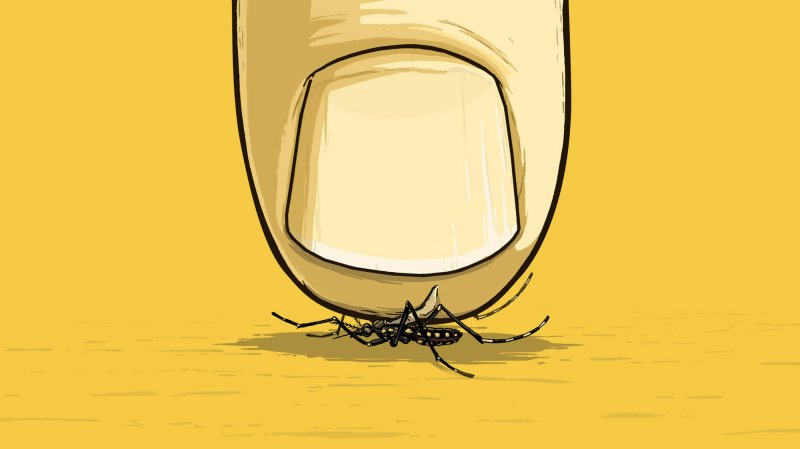
Infographic: Just one mosquito species can spread 54 viruses. Here’s how genetic modification can help us conquer this disease-spreading, destructive powerhouse

Credit: Matthew Twombly/NPR

Aedes aegypti is one of the most common mosquitoes in the U.S. that can spread disease. One of the best-known mosquito-borne diseases is malaria, but Aedes aegypti is associated with 54 viruses. West Nile virus, Zika, and dengue are just three diseases these mosquitoes transmit around the U.S.

With 1 in 150 people becoming seriously ill due to West Nile virus, sometimes fatally, what can we do to prevent mosquito bites?

Follow the latest news and policy debates on sustainable agriculture, biomedicine, and other ‘disruptive’ innovations. Subscribe to our newsletter.

The World Mosquito Program has discovered something amazing: When Aedes aegypti carry Wolbachia, a common bacteria in mosquitoes, it competes with viruses like dengue. This makes it much harder for the virus to reproduce inside the mosquito, reducing the risk of spreading diseases to humans.

By selectively breeding Aedes aegypti with Wolbachia and releasing them into areas with heavy viral burdens, the World Mosquito Program is reducing disease with impressive results.
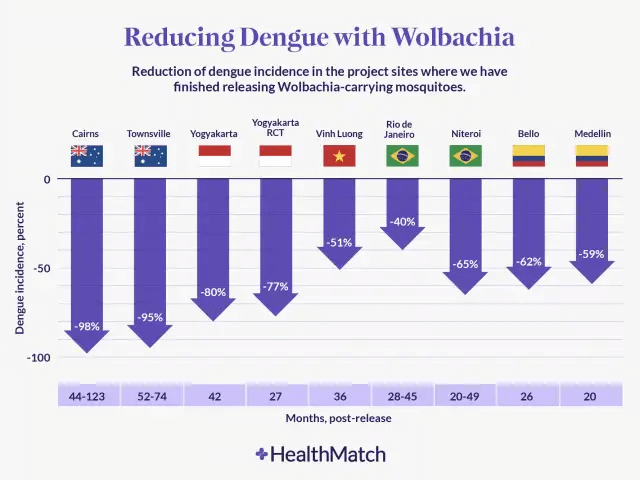
reducing dengue with wolbachia

Oxitec has been testing its GM mosquitoes in Brazil, the Cayman Islands¹⁷, Malaysia, and Panama for the last ten years. Remarkably, Oxitec demonstrated that their biotechnology could reduce the local Aedes aegypti population by more than 90%.

In 2021, Florida started releasing 144,000¹⁸ genetically modified, non-biting male Aedes aegypti engineered by Oxitec.
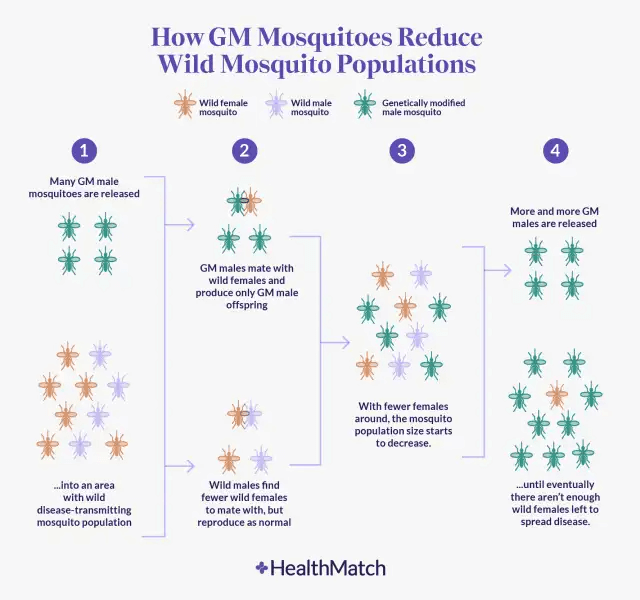

how gm mosquitoes reduce wild mosquito populations

This is an excerpt. Read the original post here

{{ reviewsTotal }}{{ options.labels.singularReviewCountLabel }}
{{ reviewsTotal }}{{ options.labels.pluralReviewCountLabel }}
{{ options.labels.newReviewButton }}
{{ userData.canReview.message }}

Related Articles

Infographic: Global regulatory and health research agencies on whether glyphosate causes cancer

Infographic: Global regulatory and health research agencies on whether glyphosate causes cancer

Does glyphosate—the world's most heavily-used herbicide—pose serious harm to humans? Is it carcinogenic? Those issues are of both legal and ...

Most Popular

ChatGPT-Image-Apr-20-2026-11_17_18-AM-2
10,000 scientists gone: Trump’s cuts create an unprecedented brain drain
ChatGPT-Image-Apr-17-2026-03_30_52-PM
Food labels, decoded: What they really mean
Screenshot-2026-04-15-at-1.22.58-PM
Anti-biotechnology activists smear hybrid wheat breakthrough that could surge yields in poorer countries
Screenshot-2026-04-20-at-3.34.46-PM
Viewpoint: How do you sell evidence-based health and science in a world where facts don’t matter?
ChatGPT-Image-Apr-20-2026-12_28_36-PM
Vaccine skepticism is a growing global problem
ChatGPT-Image-Apr-21-2026-11_30_48-AM
Stupid study of the month: Eating fresh fruits and vegetables can lead to cancer
Screenshot-2026-04-22-at-4.10.32-PM
Viewpoint — ‘Completely unethical’: RFK, Jr.’s medical ignorance deprives melanoma cancer-sufferers of a life-saving therapy
Screenshot-2026-04-12-135256
Bixonimania: The fake disease scam that AI swallowed whole
images
The never-ending GMO debate: Pros and cons
ChatGPT-Image-Mar-2-2026-03_22_54-PM
Why ‘support supplements’ for GLP-1 users are mostly a waste of money
Screenshot-2026-04-22-at-1.14.34-PM
Latest fevered, right-wing conspiracy: Fox, New York Post, and kooky GOP legislators push ‘Dead Scientists’ scare
glp menu logo outlined

Get news on human & agricultural genetics and biotechnology delivered to your inbox.