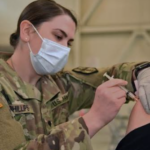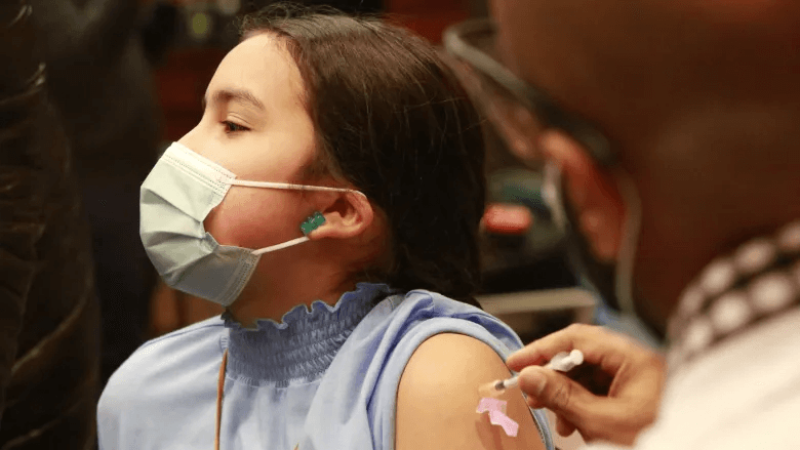

Nearly 78% of U.S. adults had completed the primary COVID-19 vaccine series through Sept. 28, according to the U.S. Centers for Disease Control and Prevention. But only 38% of children ages 5-11, who became eligible in November, had received at least one dose. That equates to 10.8 million children.
And only 8% of children ages 6 months to 4 years have had at least one shot, equating to 1.4 million children
The lower vaccination rates among children can be attributed to misinformation about the safety of vaccines in general, but particularly the COVID-19 vaccines, according to a study by the Annenberg Public Policy Center of the University of Pennsylvania.
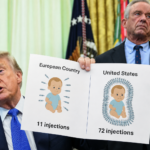
The researchers found many U.S. adults incorrectly believe that vaccines contain toxins, like antifreeze, or that certain inoculations can cause series health issues.



Specific concerns about COVID-19 vaccines included false claims that they can cause infertility or change the recipient’s DNA. Some people believed the vaccines frequently cause allergic reactions, are riskier than getting COVID-19 and are responsible for thousands of deaths. None of these claims are true.
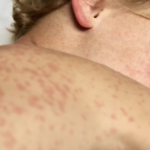
Public health experts have blamed the disappointing vaccine rates on misinformation about the safety of vaccines and mistrust in public health guidance. They fear vaccine hesitancy will not only make COVID-19 hard to contain, but that it also will lead to a resurgence of other preventable illnesses.