Spanish biologist: ‘No evidence that organic diet better for health or organic farming better for the environment’

Screen Shot at AM
Image source: This Mama Cooks

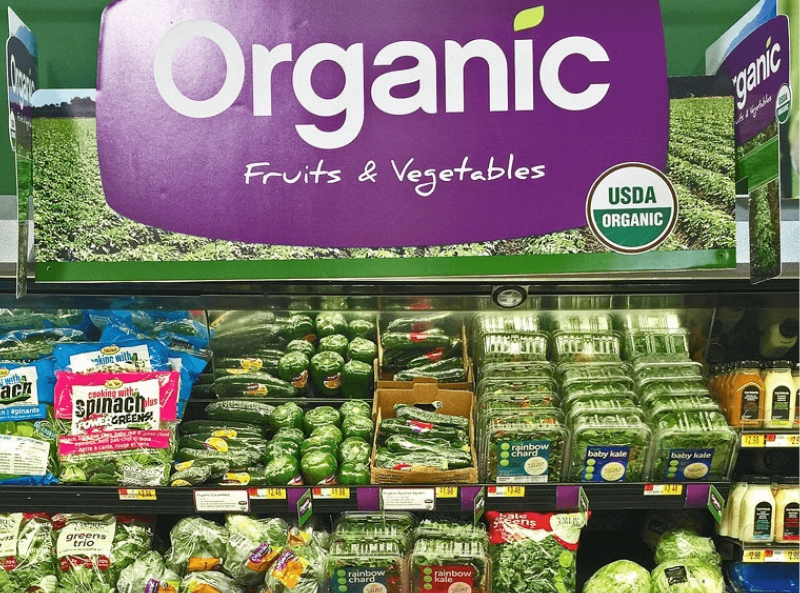
Do foods with an organic seal have benefits?

[José Miguel Mulet:] The only thing they guarantee is that they have been grown according to a regulation that tells you what you can put and what you can’t. The problem is that production is very low. Europe wants to promote it but it only talks about increasing surface area but you don’t buy in square metres, but in kilos. They only talk about the surface because it is clear that production is going to plummet. Are they healthier? The only variable you control is the growing method, not what you grow. Getting drunk on organic wine is just as bad for your health as on non-organic wine. There is no evidence that a diet based on organic products is better, the only clear thing is that it is much more expensive.

Mis- and disinformation are distorting science and public policy. Subscribe to our Daily and Weekly Digests for incisive coverage of ‘disruptive’ innovations in AI, agricultural biotechnology, food, chemicals, nuclear energy, vaccines, and other disruptive innovations.

Isn’t it better for the environment?

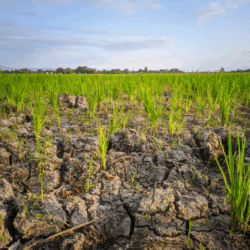
[Mulet:] No. If productivity falls, you need more land to get the same food, and the environmental impact and the water footprint skyrocket. Organic regulation is not based on objective parameters, such as the carbon or water footprint, but on a philosophical principle without a scientific basis that what is natural is better. There are problems. For example, in organic viticulture copper is used as a fungicide and it is a terrible contaminant. Therefore, the ecological seal does not guarantee less environmental impact. It will depend on the crop.

[Editor’s note: This article has been translated from Spanish and edited for clarity.]

This is an excerpt. Read the original post here

Related Articles

Infographic: Global regulatory and health research agencies on whether glyphosate causes cancer

Infographic: Global regulatory and health research agencies on whether glyphosate causes cancer

Does glyphosate—the world's most heavily-used herbicide—pose serious harm to humans? Is it carcinogenic? Those issues are of both legal and ...

Most Popular

ChatGPT-Image-Sep-2-2026-02_03_32-PM
AI data centers and water usage: It’s a genuine and growing problem
ChatGPT-Image-Mar-10-2026-01_39_01-PM
Viewpoint—“Miracle molecule” debunked: Why acemannan supplements don’t work
ChatGPT-Image-Sep-16-2026-11_28_54-AM
Viewpoint: Study links childhood vaccination to autism!!! Here’s how anti-vaxxers twist evidence to corrupt science
ChatGPT-Image-Sep-21-2026-10_18_59-AM-2
Viewpoint: Is corporate embrace of regenerative agriculture greenwashing?
Screenshot-2026-09-18-at-11.35.25-AM
RFK Jr.’s latest crank obsession: Protecting Americans from perfectly safe electromagnetic radiation
Screenshot-2026-09-16-at-3.14.20-PM
19%: Plunging support for Trump-RFK, Jr. measles vaccine safety oversight
ChatGPT-Image-Sep-20-2026-09_47_55-AM
Trump says he’ll require drugmakers to end multiple vaccine doses, reviving discredited autism claims
Screenshot-2026-09-16-at-2.26.42-PM
Viewpoint: How to ecologically damage America’s forests: Ban glyphosate
ChatGPT-Image-Sep-17-2026-12_28_43-PM
Vitamin D, omega-3 fish oil and glucosamine supplements could cause brain damage 
Screenshot 2026-09-18 at 10.26
Slowdown AI development? China acknowledges serious risks but sees warnings as U.S. ploy to control the technology
Screenshot-2026-09-20-at-4.31.28-PM
White House drafting executive order to control what OMB Director Vought claims are “woke” NIH science grants
Screenshot-2026-09-20-at-9.03.54-AM
From Malaysia to the world: A pioneering science communicator reimagines global science communication for a digital age
glp menu logo outlined

Get news on human & agricultural genetics and biotechnology delivered to your inbox.