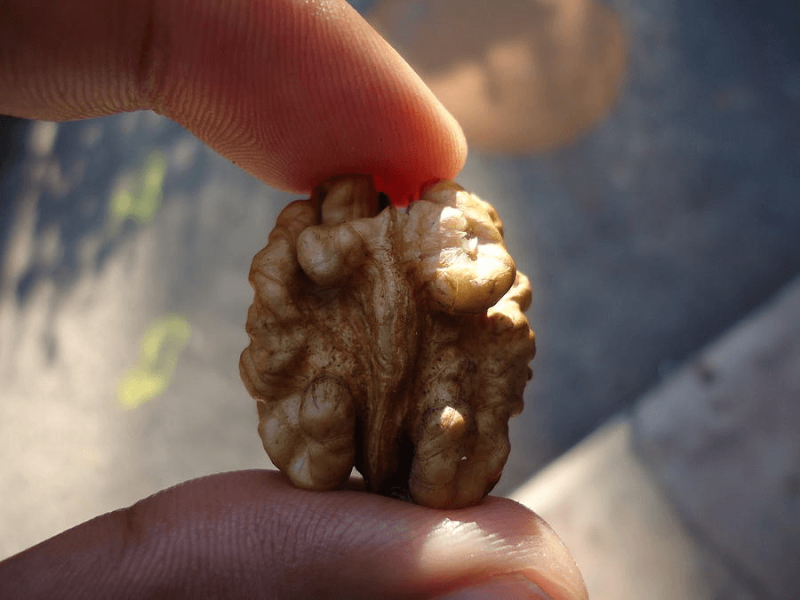
Why are walnuts considered a new ‘brain food’?

Credit: Shishir Gautam

A new clinical trial of undergraduate students during their university studies has shown positive effects of walnut consumption on self-reported measures of mental health and biomarkers of general health.

The University of South Australia study, published in the journal Nutrients, also suggests that walnuts may counteract the effects of academic stress on the gut microbiota during periods of stress, especially in females.

Lead researchers, PhD student Mauritz Herselman and Associate Professor Larisa Bobrovskaya, say the results add to the growing body of evidence linking walnuts with improved brain and gut health.

Mis- and disinformation are distorting science and public policy. Subscribe to our Daily and Weekly Digests for incisive coverage of ‘disruptive’ innovations in AI, agricultural biotechnology, food, chemicals, nuclear energy, vaccines, and other disruptive innovations.

“We found that those who consumed about half a cup of walnuts every day showed improvements in self-reported mental health indicators. Walnut consumers also showed improved metabolic biomarkers and overall sleep quality in the longer term.”

Students in the control group reported increased stress and depression levels in the leadup to exams but those in the treatment group did not. The walnut consumers also reported a significant drop in feelings associated with depression between the first and final visits, compared to the controls.

Previous research has shown that walnuts are full of omega-3 fatty acids, antioxidants, as well as melatonin (sleep inducing hormone), polyphenols, folate and vitamin E, all of which promote a healthy brain and gut.


This is an excerpt. Read the original post here

Related Articles

Infographic: Global regulatory and health research agencies on whether glyphosate causes cancer

Infographic: Global regulatory and health research agencies on whether glyphosate causes cancer

Does glyphosate—the world's most heavily-used herbicide—pose serious harm to humans? Is it carcinogenic? Those issues are of both legal and ...

Most Popular

ChatGPT-Image-Sep-23-2026-02_36_39-PM
Viewpoint: After firing the entire National Science Board, Trump reshapes funding initiatives. Here’s the good and the bad.
ChatGPT-Image-Sep-10-2026-10_36_07-AM
Viewpoint: Even lousy scientific articles can shield authors when they hype dubious health claims and products
ChatGPT-Image-Mar-10-2026-01_39_01-PM
Viewpoint—“Miracle molecule” debunked: Why acemannan supplements don’t work
sorghum farmers in kenya FARMERS TREND
Here are all the ways CRISPR gene editing is transforming Africa’s staple crops—and there’s a lot more innovation to come
Screenshot-2026-10-01-at-11.21.27-AM
Vaccine hesitancy, like malaria, surges globally, topping 35% in some countries
ChatGPT-Image-Sep-30-2026-01_25_34-PM
Blood tests for Alzheimer’s? The latest grifter, social media scam.
ChatGPT-Image-Sep-30-2026-01_38_36-PM
Viewpoint: Died “with measles” vs. died “from measles”: RFK, Jr.’s dangerously subversive word games
ChatGPT-Image-Sep-30-2026-01_11_07-PM
How U.S. teamed with Russia to block global human AI weapons oversight
ChatGPT-Image-Sep-21-2026-03_15_09-PM
Viewpoint: Chipotle-inspired lesson: 10,000 sick customers suggest that processed foods can be safer than fresh ones
ChatGPT-Image-Sep-2-2026-02_03_32-PM
How much of a problem is AI’s water use?
glp menu logo outlined

Get news on human & agricultural genetics and biotechnology delivered to your inbox.