Newborn Genomes Program: Whole genome sequencing for 100,000 UK babies leads to test for 200 disorders

Newborns to get rapid genetic disease diagnosis
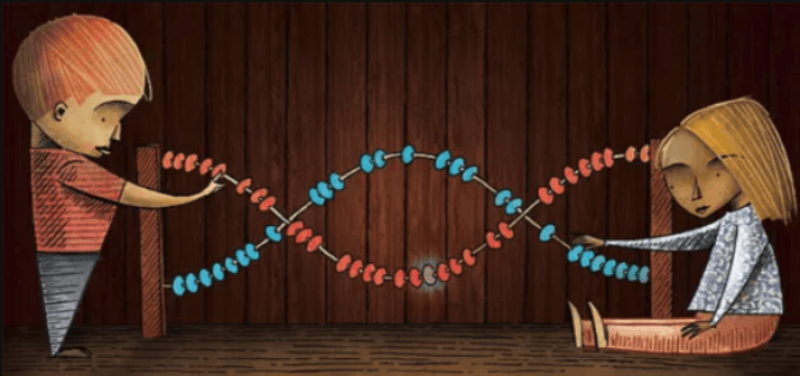
Credit: St. Jude Progress Blog

Rare genetic disorders will be diagnosed and treated in babies thanks to a project to sequence the complete DNA of 100,000 newborns.

It should spare hundreds of families in England months, or years, of anguish waiting to find out why their children are ill.

Follow the latest news and policy debates on sustainable agriculture, biomedicine, and other ‘disruptive’ innovations. Subscribe to our newsletter.

The Newborn Genomes Programme, to begin next year, is thought to be the biggest study of its kind in the world. If successful, it could be rolled out across the country.

There are at least 7,000 single gene disorders, most of which develop during early childhood.

Every year, several thousand children in the UK are affected by rare genetic diseases, but families often endure years of tests and uncertainty before they receive a diagnosis, as symptoms can develop slowly. By the time a diagnosis is confirmed avoidable damage may have been done.

The list of genetic conditions which will be included in the new screening programme has yet to be finalised, but each of them will have a treatment which could alleviate the disorder.

Whole genome sequencing may also identify conditions that occur only later in life, such as some cancers.


{{ reviewsTotal }}{{ options.labels.singularReviewCountLabel }}
{{ reviewsTotal }}{{ options.labels.pluralReviewCountLabel }}
{{ options.labels.newReviewButton }}
{{ userData.canReview.message }}

Related Articles

Infographic: Global regulatory and health research agencies on whether glyphosate causes cancer

Infographic: Global regulatory and health research agencies on whether glyphosate causes cancer

Does glyphosate—the world's most heavily-used herbicide—pose serious harm to humans? Is it carcinogenic? Those issues are of both legal and ...

Most Popular

Screenshot-2026-04-22-at-12.21.32-PM
Viewpoint: Why the retracted Monsanto glyphosate study doesn’t change the science—the world’s most popular herbicide is safe 
Picture1
The FDA couldn’t find a vaccine safety crisis, so it buried its own research
ChatGPT-Image-May-1-2026-11_42_59-AM-2
Viewpoint: NAD is the wellness grifters latest evidence-lite longevity fad. At least the mice are impressed.
ChatGPT-Image-Apr-16-2026-02_56_53-PM
Financial incentives, over diagnosis, and weak oversight: Autism claims are driving up Medicare costs
global warming
‘Implausible’: Top climate scientists reject worst-case scenario—soaring temperatures and fast-rising sea levels
ChatGPT-Image-May-12-2026-11_27_01-AM-2
AI likely to improve health care, research shows—but not for blacks and ethnic minorities
ChatGPT-Image-May-7-2026-01_23_27-PM-2
Viewpoint: Will AI democratize personalized cancer treatment or fuel medical misinformation?

Sorry. No data so far.

glp menu logo outlined

Get news on human & agricultural genetics and biotechnology delivered to your inbox.