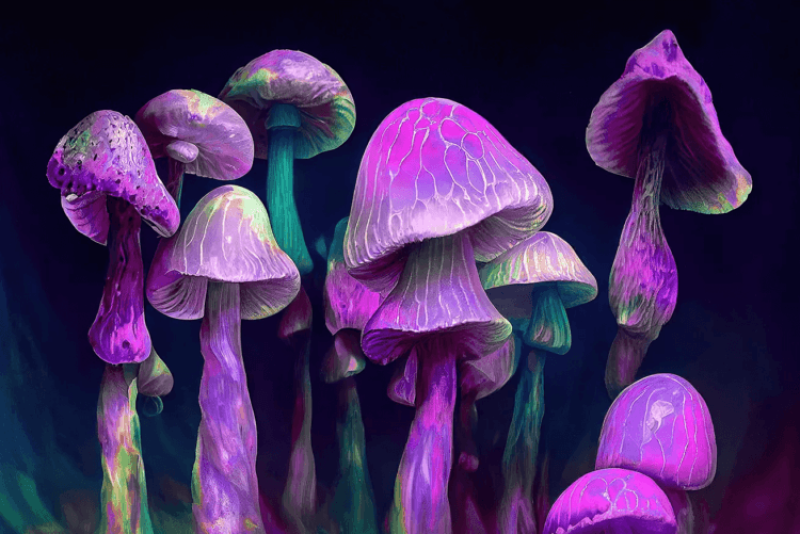
Psilocybin can change the world. At least that’s what Paul Stamets, mycologist, scientist, and one of the key thought-leaders of today’s modern psychedelics industry, believes.
In a presentation during the Wonderland Psychedelics conference in Miami in November, Stamets said that psilocybin reduces violence and breaks addictive behavior.
“We know psilocybin is very helpful for PTSD and depression. So this is a game changer, fundamentally, across our society,” he said. “So for any law enforcement out there, your jobs will be easier. You’ll have better encounters with the citizens. You won’t be demonizing the citizens. You will have empathy and understanding that people are all trying to work together. This is truly a medicine for the masses.”
But while Stamets hopes to create a utopia built on the mostly anecdotal evidence of the effectiveness of psilocybin, a substance used by humans for thousands of years, the reality of what psilocybin is and what it does within the human body is a bit more difficult to pinpoint. Sandoz chemist Albert Hofmann isolated and determined the structure of psilocybin in the early 1960s, but there is still some question about how the actual hallucinogenic chemical inside the mushroom is created.

Science has to have its say – to clearly measure the effectiveness and safety of this or any psychedelic compound – if a company wants to bank on psilocybin as their money-making wonder drug. And science is still looking for clear measurements.