Viewpoint: ‘A grim record of denying poor countries new technologies’ — From climate change to crop biotechnology, Greenpeace promotes the interests of the wealthy

Credit: Gustave Deghilage and Flickr via CC BY-NC-ND 2.0

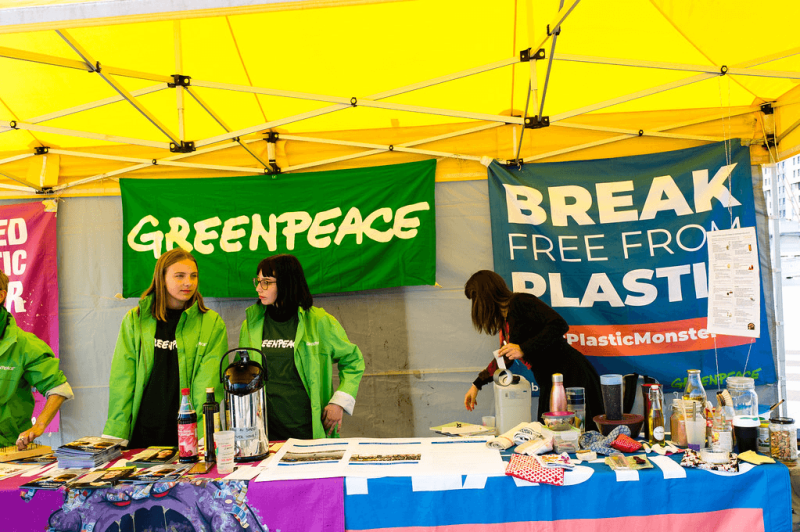
The Greens are elitist, representing rich people in rich countries. They do not want Africa to develop as Europe has done. They do not want poor African countries to become as rich and comfortable as Germany, Britain, Canada, the USA and other prosperous nations. They want to deny African countries the technologies that made their own countries safe, rich and clean. They have a grim record of trying to deny to poor countries technologies that will improve their food production, prevent disease and give them clean, plentiful energy.

Follow the latest news and policy debates on sustainable agriculture, biomedicine, and other ‘disruptive’ innovations. Subscribe to our newsletter.

Greenpeace campaigned against Golden Rice. This was a modified form of rice with beta-Carotene in its kernels, which humans convert to vitamin A, which is important for eyesight. Golden Rice could save hundreds of thousands of poor children from blindness. Greenpeace was for many years successful against its being grown.

In India, Greenpeace campaigned against genetically modified crops (GMOs) that had been proven safe and proven to increase crop yields, turning the fortunes of poor farmers for the better. Worst of all, Greenpeace campaigned against DDT… and malaria came storming back, killing millions of people with dark skins in poor countries.

Please may we approach our problems of poverty and energy shortages with science and humanity? Please may we tell the arrogant imperialists of Greenpeace to go away?


This is an excerpt. Read the original post here

{{ reviewsTotal }}{{ options.labels.singularReviewCountLabel }}
{{ reviewsTotal }}{{ options.labels.pluralReviewCountLabel }}
{{ options.labels.newReviewButton }}
{{ userData.canReview.message }}

Related Articles

Infographic: Global regulatory and health research agencies on whether glyphosate causes cancer

Infographic: Global regulatory and health research agencies on whether glyphosate causes cancer

Does glyphosate—the world's most heavily-used herbicide—pose serious harm to humans? Is it carcinogenic? Those issues are of both legal and ...

Most Popular

Screenshot-2026-04-22-at-12.21.32-PM
Viewpoint: Why the retracted Monsanto glyphosate study doesn’t change the science—the world’s most popular herbicide is safe 
ChatGPT-Image-Apr-16-2026-02_56_53-PM
Financial incentives, over diagnosis, and weak oversight: Autism claims are driving up Medicare costs
Picture1
The FDA couldn’t find a vaccine safety crisis, so it buried its own research
ChatGPT-Image-May-1-2026-11_42_59-AM-2
Viewpoint: NAD is the wellness grifters latest evidence-lite longevity fad. At least the mice are impressed.
global warming
‘Implausible’: Top climate scientists reject worst-case scenario—soaring temperatures and fast-rising sea levels
Screenshot-2026-05-21-at-12.15.17-PM
UK gene-editing milestone: Livestock barley that increases ruminant value and reduces methane emissions is first-approved CRISPR crop

Sorry. No data so far.

glp menu logo outlined

Get news on human & agricultural genetics and biotechnology delivered to your inbox.