Viewpoint: Propaganda ring blurs science and feeds ‘toxic tort’ industry targeting Roundup and aspartame

Credit: Bureau of Investigative Journalism and Daniel Stolle via CC-BY-NC-ND-3.0
[The World Health Organization’s International Agency for Research on Cancer (IARC)] cherry picks evidence, declares something is likely, probably, or maybe a carcinogen and then sits back to see what happens. It doesn’t seem to care that it got a decision wrong, that it unnecessarily scares people, or that it causes certain companies untold economic damage.

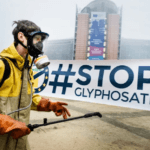
Just ask glyphosate. In 2015, based on scant evidence, the IARC declared the active ingredient in many herbicides, including Roundup, a “probable” human carcinogen. It didn’t matter that literally every other regulatory agency in the world looked into the data and reached the opposite conclusion.

Follow the latest news and policy debates on sustainable agriculture, biomedicine, and other ‘disruptive’ innovations. Subscribe to our newsletter.

Although some people complain of side effects like headaches and dizziness, the Food and Drug Administration has concluded that aspartame is safe for most people to consume in moderation. Most importantly, it doesn’t cause cancer.

But that didn’t stop the IARC from concluding [recently] — based on what it calls “limited evidence” related to a type of liver cancer — that aspartame is “probably” carcinogenic to humans. As Food Science Babe explained, this is a load of rubbish. She points out that it’s one of the most widely studied food additives in the world.


This is an excerpt. Read the original post here

{{ reviewsTotal }}{{ options.labels.singularReviewCountLabel }}
{{ reviewsTotal }}{{ options.labels.pluralReviewCountLabel }}
{{ options.labels.newReviewButton }}
{{ userData.canReview.message }}

Related Articles

Infographic: Global regulatory and health research agencies on whether glyphosate causes cancer

Infographic: Global regulatory and health research agencies on whether glyphosate causes cancer

Does glyphosate—the world's most heavily-used herbicide—pose serious harm to humans? Is it carcinogenic? Those issues are of both legal and ...

Most Popular

Screenshot-2026-03-13-at-12.14.04-PM
The FDA wants to make many popular prescription drugs OTC—a great idea. Here’s why it’s unlikely to happen
Screenshot-2026-05-04-at-12.54.32-PM
How Utah became the country’s supplement capital  — and a haven for unregulated, ineffective and fake products
Screenshot-2026-04-20-at-2.26.27-PM
Viewpoint — Food-fear world: The latest activist scientists campaign: Cancer-causing additives
Screenshot-PM-24
Viewpoint: The herbicide glyphosate isn’t perfect. Banning it would be far worse.
images
The never-ending GMO debate: Pros and cons
Screenshot-2026-05-01-at-11.56.24-AM
‘Science moves forward when people are willing to think differently’: Memories of DNA maverick Craig Venter
Screenshot-2026-04-30-at-2.19.37-PM
5 myths about summer dehydration that could damage your health — or even kill you
Screenshot-2026-04-03-at-11.15.51-AM
Paraben panic: How a flawed study, media hype, and chemophobia convinced the public of the danger of one of the safest classes of preservatives
79d03212-2508-45d0-b427-8e9743ff6432
Viewpoint: The Casey Means hustle—Wellness woo opportunism dressed up as medical wisdom
bigstock opioids on chalkboard with rol
GLP podcast: 'Safe injection sites': enabling drug addiction or saving lives?
glp menu logo outlined

Get news on human & agricultural genetics and biotechnology delivered to your inbox.