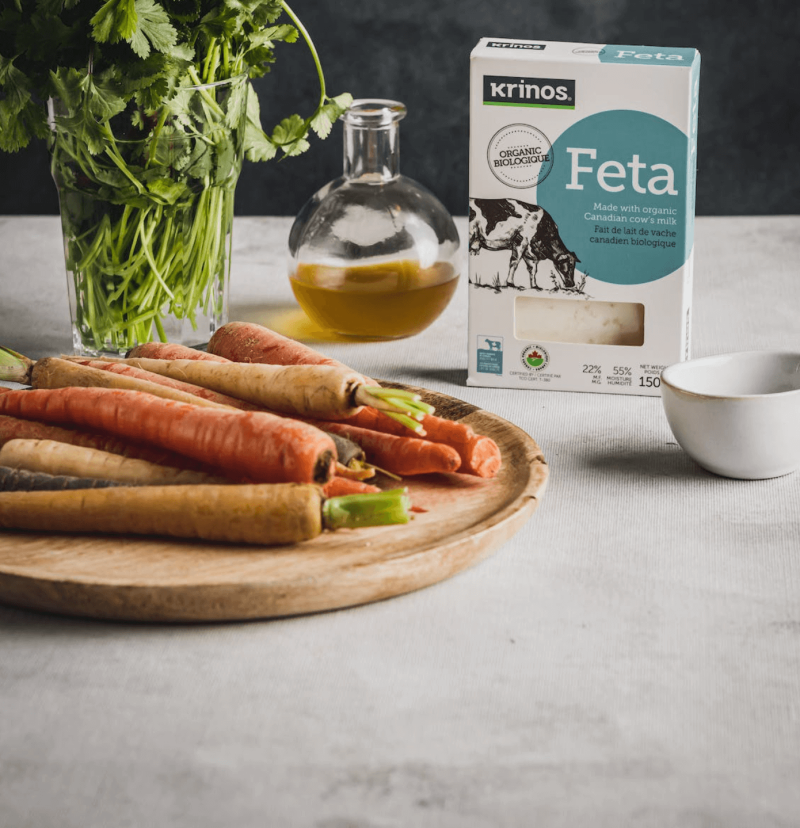
You can’t label it feta: Europe ignites food war with US, demanding that only cheeses produced in their origin region can use ‘historically trademarked’ names

screenshot at am
Credit: Anna Pyshniuk via Pixels

The U.S. cheese industry in particular has chafed against the EU regulations, which protect almost 300 cheeses. To be called feta, the cheese must be made in Greece. Gorgonzola cheese has to be from Italy.

Along with increasing the number of protected products, the EU is looking to ease the application process for producers to add their foods to the list. U.S. food makers worry that this will rope in other products, including cured meats. They aren’t challenging the EU protections around “Prosciutto di Parma,” but they want to continue to use the words prosciutto, bologna and chorizo. 

“You cannot take something that has been in the public domain for decades—centuries in some cases—and all of a sudden, overnight, decide that name doesn’t belong to the public,” said Jaime Castaneda, executive director of the Consortium for Common Food Names.

Follow the latest news and policy debates on sustainable agriculture, biomedicine, and other ‘disruptive’ innovations. Subscribe to our newsletter.

EU officials say their system doesn’t prevent U.S. producers from selling their wares abroad—it only limits how they can label certain items in the EU and other countries where these protections are part of trade agreements.

U.S. producers said the EU’s labeling restrictions can dissuade them from exporting, or add expense if they choose to continue selling abroad with new packaging.


This is an excerpt. Read the original post here

{{ reviewsTotal }}{{ options.labels.singularReviewCountLabel }}
{{ reviewsTotal }}{{ options.labels.pluralReviewCountLabel }}
{{ options.labels.newReviewButton }}
{{ userData.canReview.message }}

Related Articles

Infographic: Global regulatory and health research agencies on whether glyphosate causes cancer

Infographic: Global regulatory and health research agencies on whether glyphosate causes cancer

Does glyphosate—the world's most heavily-used herbicide—pose serious harm to humans? Is it carcinogenic? Those issues are of both legal and ...

Most Popular

ChatGPT-Image-Jun-25-2026-12_23_17-PM
No, Bill Gates did not secretly engineer ticks to promote veganism
ChatGPT-Image-Jun-23-2026-03_12_23-PM
Is cellular reprogramming junk science? Nearly 20 patients are getting eye injections in the first FDA-cleared cellular trial
ChatGPT-Image-Jun-24-2026-11_36_47-AM
Why the human genome is less a script than a puzzle
Screenshot-2026-06-15-at-1.55.27-PM
America's trust in Trump-Kennedy's CDC health recommendations is plunging
ChatGPT-Image-Jun-17-2026-10_52_43-AM
Anguished parents, doctors in tears: Utah’s long measles outbreak takes a toll
ChatGPT-Image-Mar-10-2026-01_39_01-PM
Viewpoint—“Miracle molecule” debunked: Why acemannan supplements don’t work
Screenshot 2026-06-25 at 10.55
Leading OB-GYN group challenges RFK, Jr. gutting of maternal vaccine schedule
Screenshot-2026-06-22-at-9.04.46-PM
Kennedy's nutrition prescription for medical schools: Real problem, bad cure
Screenshot-2026-06-24-at-2.57.41-PM
Viewpoint: Trump’s Reflecting Pool algae fiasco points to a bigger culprit: Climate change
Screenshot-2026-06-24-at-2.40.46-PM
Hegseth reversal: As Air Force flu outbreak continues to surge, military reinstitutes mandatory vaccines for recruits
Screenshot-2026-06-25-at-1.48.40-PM
Glyphosate affirmed as safe: Supreme Court rejects lawsuit claiming Roundup herbicide causes cancer, upholding EPA determination

Sorry. No data so far.

glp menu logo outlined

Get news on human & agricultural genetics and biotechnology delivered to your inbox.