Brain atlas: First large-scale map of more than 3,000 human brain cells opens door to personalized medicine

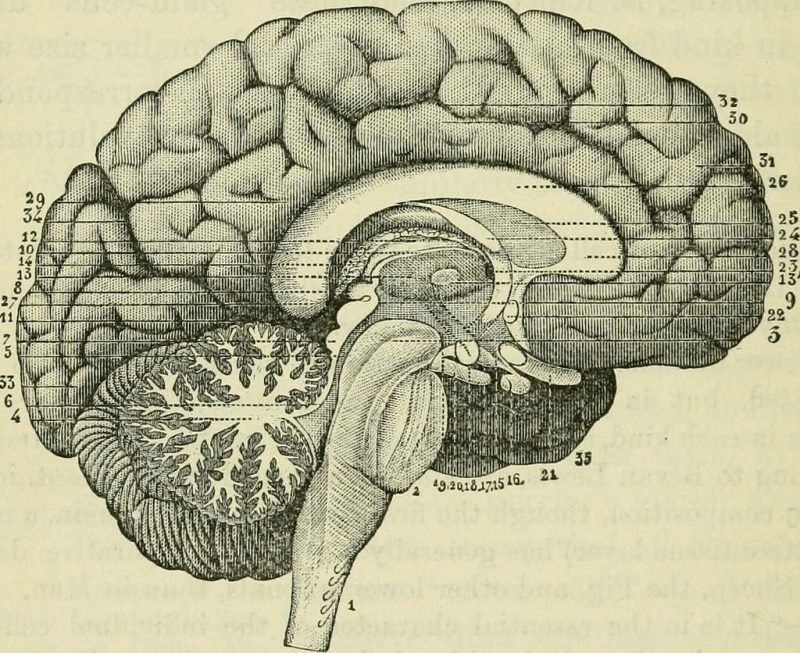
the brain as an organ of mind a e
Credit: Brainasorganofmind (Public Domain)

Weโ€™re closer than ever to mapping the entire brain to the microscopic level. Hundreds of neuroscientists across the world recently characterized more than 3,000 human brain cell types as part of theย National Institute of Healthโ€™s BRAIN Initiative Cell Census Network, publishing almost two dozen papers in fourย Scienceย journals today. This super-focused attention to detail could unlock many mysteries surrounding that complex organ, such as what happened in our brains to distinguish us from other primates.

โ€œThis is the first large-scale, detailed description of all the different kinds of cells present in the human brain,โ€ saysย Rebecca Hodge, an assistant investigator at the Allen Institute in Seattle who co-authored multiple studies in the paper package. Her hope is that this brain atlasย provides a community resource for scientists to explore how the wide variety of brain cells contribute to health and disease.

Follow the latest news and policy debates on sustainable agriculture, biomedicine, and other ‘disruptive’ innovations. Subscribe to our newsletter.

โ€œA detailed brain atlas can help us understand what successful brain function looks like so we can maximize brain cells and circuits that promote brain heath,โ€ [neurologist Mark] Mapstone says. โ€œAddressing brain disease and promoting brain health can be more easily accomplished if we know how these cells are organized. โ€œ

This is an excerpt. Read the original post here

{{ reviewsTotal }}{{ options.labels.singularReviewCountLabel }}
{{ reviewsTotal }}{{ options.labels.pluralReviewCountLabel }}
{{ options.labels.newReviewButton }}
{{ userData.canReview.message }}

Related Articles

Infographic: Global regulatory and health research agencies on whether glyphosate causes cancer

Infographic: Global regulatory and health research agencies on whether glyphosate causes cancer

Does glyphosateโ€”the world's most heavily-used herbicideโ€”pose serious harm to humans? Is it carcinogenic? Those issues are of both legal and ...

Most Popular

Screenshot-2026-04-22-at-12.21.32-PM
Viewpoint: Why the retracted Monsanto glyphosate study doesnโ€™t change the scienceโ€”the worldโ€™s most popular herbicide is safeย 
Picture1
The FDA couldnโ€™t find a vaccine safety crisis, so it buried its own research
ChatGPT-Image-Apr-16-2026-02_56_53-PM
Financial incentives, over diagnosis, and weak oversight: Autism claims are driving up Medicare costs
global warming
โ€˜Implausibleโ€™: Top climate scientists reject worst-case scenarioโ€”soaring temperatures and fast-rising sea levels
ChatGPT-Image-May-1-2026-11_42_59-AM-2
Viewpoint: NAD is the wellness grifters latest evidence-lite longevity fad. At least the mice are impressed.

Sorry. No data so far.

glp menu logo outlined

Get news on human & agricultural genetics and biotechnology delivered to your inbox.